





A Practical Guide to Preventing OOS Violations and Maintenance Failures
Key Takeaways
- A 30-day maintenance delay significantly increases repair costs and downtime
- Small issues quickly turn into major failures
- Safety risks, fuel costs, and compliance issues rise silently
- Vehicle lifespan and resale value drop over time
- Preventive maintenance software like Simply Fleet helps stop delays before they start
Fleet maintenance delays often start with a simple thought: “We’ll do it next month.”
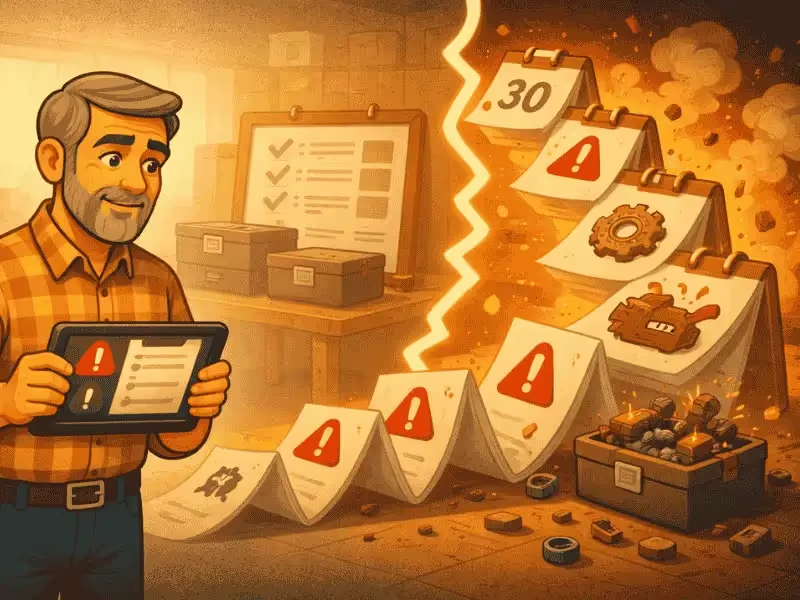
But in fleet operations, a 30-day delay can quietly turn into higher costs, unexpected downtime, safety risks, and frustrated customers.
Preventive maintenance schedules exist for a reason. Vehicles operate under constant stress like loads, traffic, weather, and driver behavior all take a toll. When scheduled inspections, servicing, or repairs are postponed, small issues compound fast.
This article breaks down exactly what happens when fleet maintenance slips by just 30 days, why the impact is bigger than most fleet managers expect, and how modern fleet maintenance software like Simply Fleet helps prevent these costly mistakes.
Why a 30-Day Delay Matters More Than It Sounds
A month might feel insignificant in business planning, but for vehicles, it’s a long time.
In just 30 days, a fleet vehicle may:
- Travel 3,000–6,000 miles
- Operate hundreds of engine hours
- Experience repeated braking, idling, and load stress
- Accumulate wear on safety-critical components
Maintenance schedules are designed around this usage. Delaying them means vehicles continue operating past their safe and efficient window.
Impact of Fleet Maintenance Delay by Just 30 Days

1. Small Issues Turn Into Expensive Repairs
Most preventive maintenance tasks (oil changes, brake inspections, fluid checks) are meant to catch early signs of failure.
When delayed:
- Dirty oil accelerates engine wear
- Low brake fluid stresses brake systems
- Minor leaks grow into system failures
- Worn belts and hoses snap without warning
A simple maintenance task that costs a few hundred dollars can quickly turn into a four-figure repair once damage spreads to connected components.
Preventive maintenance is predictable. Emergency repairs are not.
2. Unplanned Breakdowns and Vehicle Downtime Increase
When a vehicle breaks down:
- Jobs are delayed or canceled
- Drivers sit idle
- Dispatchers scramble for replacements
- Customers lose confidence
A single unplanned breakdown often costs far more than the repair itself, especially when factoring in lost productivity and service disruptions.
30 Days Past Due = Higher Failure Risk
Many breakdowns happen shortly after a missed service window because:
- Wear reaches a tipping point
- Heat and friction compound damage
- Warning signs go unnoticed
Delayed maintenance increases the likelihood that a vehicle fails on the road, not in the shop.
3. Safety Risks Multiply Quietly
Brakes, tires, steering, suspension, and lights are not just mechanical parts - they are safety systems.
When maintenance is delayed:
- Brake pads wear past safe limits
- Tires lose tread or develop weak sidewalls
- Alignment issues affect handling
- Lights and signals fail inspections
Accidents caused by poor vehicle condition expose fleets to:
- Legal claims
- Higher insurance premiums
- Regulatory penalties
- Reputation damage
Maintenance records are often reviewed after incidents. A missed service date can become a serious liability.
Download Our Free Fleet Maintenance Resources Now!
Prevent costly breakdowns and maximize uptime with our free checklist.
Download
4. Fuel Costs Rise Without Warning
Vehicles operating past maintenance intervals often experience:
- Reduced engine efficiency
- Increased rolling resistance from worn tires
- Misalignment causing drag
- Dirty air filters restricting airflow
These issues silently increase fuel consumption.
Even a 3–5% drop in fuel efficiency across a fleet adds up quickly, especially with today’s fuel prices.
5. Vehicle Lifespan Shortens
Vehicles are long-term investments. Regular maintenance protects:
- Engine health
- Transmission performance
- Suspension integrity
- Resale value
Delays accelerate wear, meaning vehicles:
- Need major repairs sooner
- Are replaced earlier than planned
- Have lower resale or trade-in value
Over time, this increases total cost of ownership (TCO).
6. Compliance and Inspection Failures Become Likely
Many fleets must meet regulatory or internal inspection standards.
Delayed maintenance increases the risk of:
- Failed inspections
- Out-of-service violations
- Missed documentation
- Fines and audit issues
What feels like a small scheduling delay can quickly become a compliance problem.
Why These Delays Happen in the First Place
Most fleets don’t delay maintenance intentionally. Common causes include:
- Manual tracking using spreadsheets
- Missed reminders
- Poor visibility across multiple vehicles
- Overloaded maintenance teams
- Lack of centralized data
Without real-time visibility, maintenance slips through the cracks, especially in growing fleets.
How Simply Fleet Prevents Costly Maintenance Delays
Simply Fleet provides a centralized system to:
- Track service schedules by date, mileage, or engine hours
- Monitor overdue maintenance across the entire fleet
- Set automated reminders before issues become urgent
With Simply Fleet, fleet managers can:
- Schedule recurring services
- Assign maintenance tasks
- Track completion status
- Maintain a clear service history
No more relying on memory, spreadsheets, or last-minute calls.
Best Practices to Avoid Maintenance Delays
After just 30 days of delayed maintenance, minor issues escalate into major repairs, roadside breakdown risks increase, and fuel efficiency drops, raising overall operating costs.
At the same time, safety and liability exposure grow, vehicle lifespan shortens due to faster depreciation, and the chances of failing compliance inspections increase.
Final Thoughts: One Month Can Cost You Much More
Fleet maintenance delays don’t fail loudly at first - they fail quietly, then all at once.
What looks like a harmless 30-day delay often leads to:
- Expensive emergency repairs
- Missed jobs
- Safety risks
- Higher operating costs
Stop maintenance delays before they turn into breakdowns.
Simply Fleet gives fleet managers complete visibility into maintenance schedules, alerts, and vehicle health so nothing slips through the cracks.
Request a Simply Fleet demo today and see how proactive maintenance saves time, money, and stress.