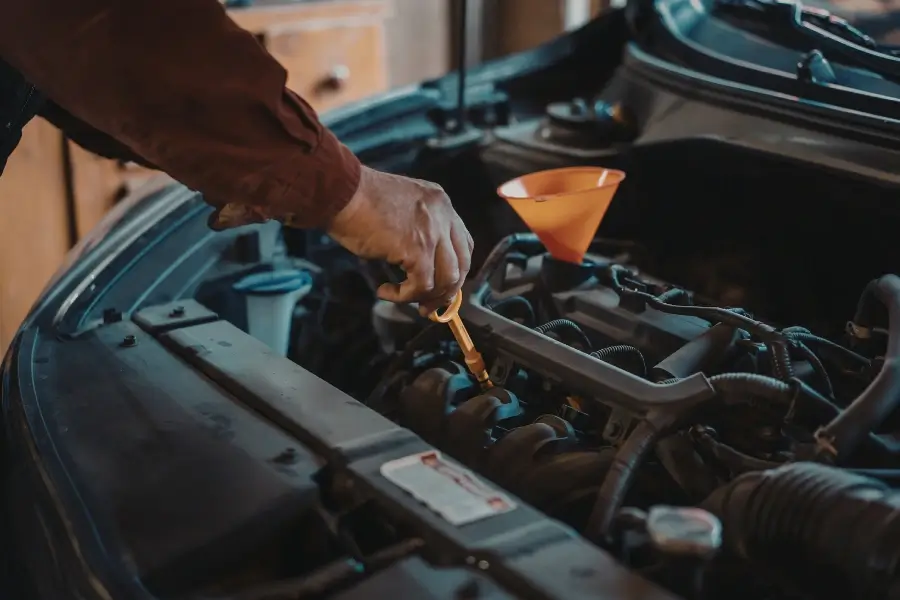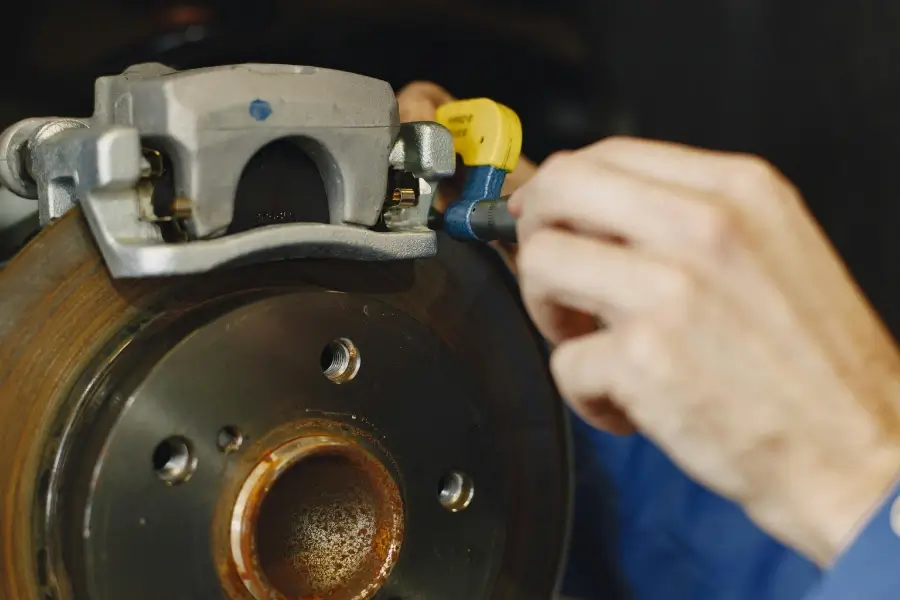




Changing your own oil is one of the most effective ways to extend engine life, and it’s simpler than most people think. With basic tools and the right steps, you can complete a clean, safe oil change that keeps your vehicle running smoothly.
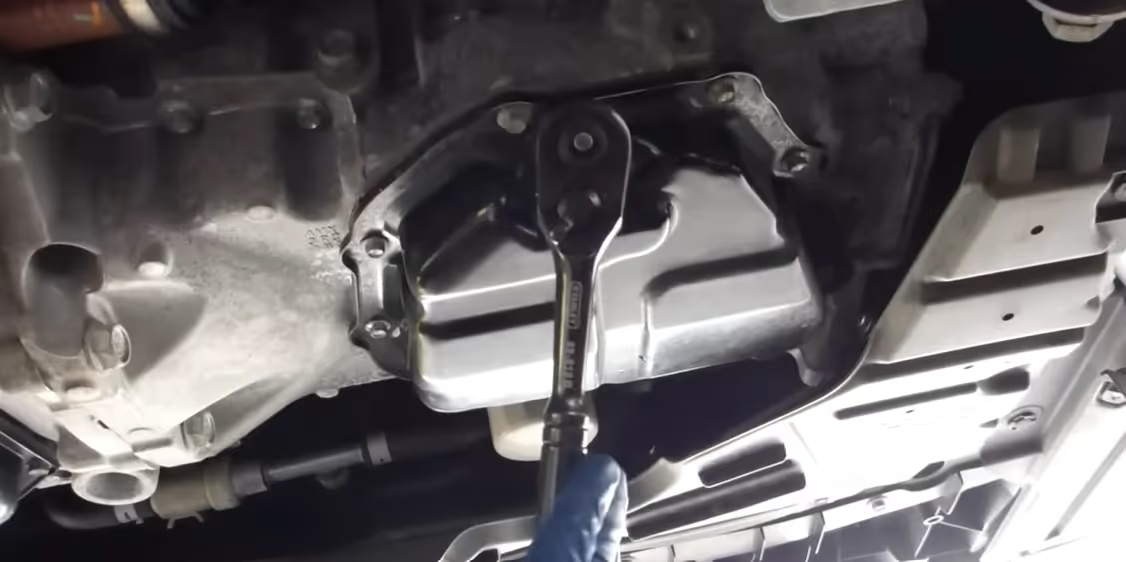
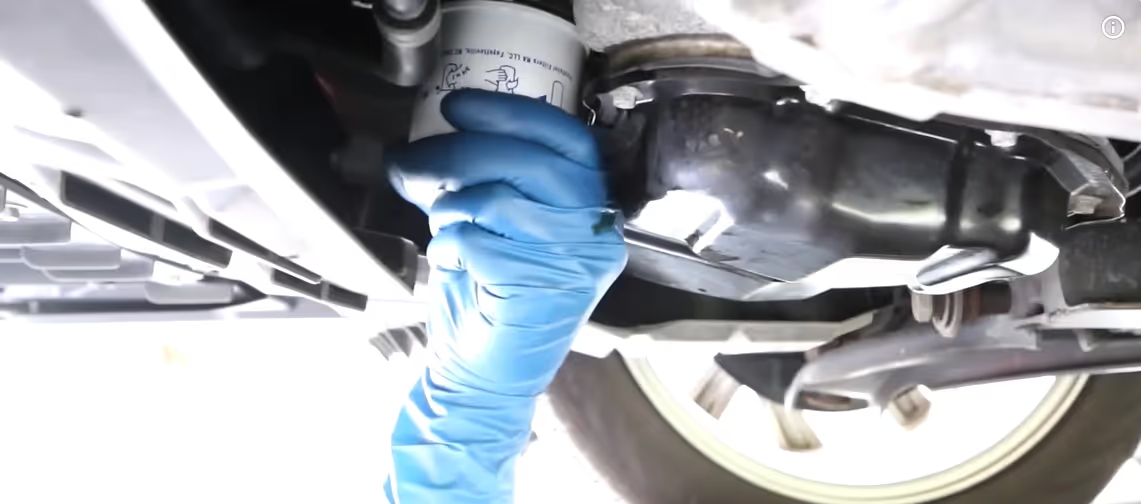
You should perform an oil change when you notice:
For fleets, delaying oil changes accelerates engine wear and increases downtime from preventable repairs.
Safety Note: Never work under a vehicle supported only by a jack.


Pro Tip: Lightly oil the gasket of the new filter to ensure a proper seal.

Oil changes are routine, but managing them at scale requires structure. Here’s how fleet managers stay ahead:
To do an oil change safely, make sure the engine is cool, park on level ground, and use ramps or jack stands if you need more clearance. Safety gear like gloves and eye protection is essential. These steps help prevent spills and ensure you can change engine oil without risk.
Most vehicles need an engine oil change every 5,000–7,500 miles, depending on oil type and driving conditions. Fleets with heavy-duty or high-idle use should shorten intervals. Regular oil changes prevent wear, support smooth operation, and reduce long-term repair costs.
A DIY oil change includes draining old oil, installing a new filter, and adding fresh oil. A shop’s motor oil change often includes extra checks, fluid levels, air filter, belts, and potential leaks. Both follow the same core steps, but shop services add inspection value for busy fleets.
Changing your own oil is one of the most effective ways to extend engine life, and it’s simpler than most people think. With basic tools and the right steps, you can complete a clean, safe oil change that keeps your vehicle running smoothly.