



45–90 mins

Moderate

45$

Replace a Vehicle Thermostat

A thermostat replacement keeps the engine at the right temperature, prevents overheating, and helps avoid serious damage to critical engine parts. For fleets, timely thermostat service reduces breakdowns, improves safety compliance, and cuts unexpected repair costs.

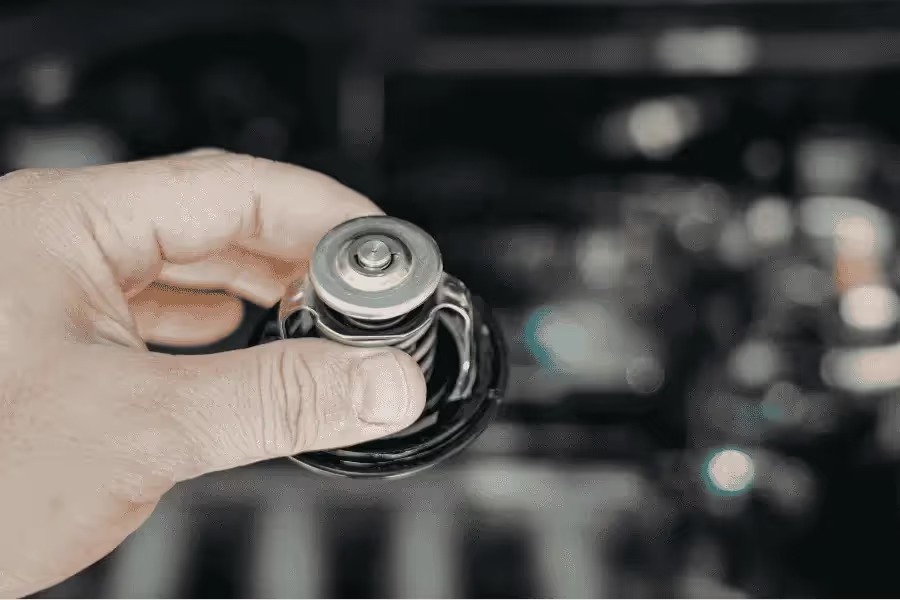
A thermostat may be small, but it plays a big role in keeping an engine healthy. When it sticks open or closed, the engine can overheat or run too cold, leading to wasted fuel, warning lights, and costly repairs. The good news? A thermostat replacement is straightforward when done step-by-step.

When to Replace Your Thermostat

Replace your thermostat when you notice:

  • Temperature gauge moving unusually high or low
  • Slow warm-up or inconsistent temperature readings
  • Coolant leaking around the thermostat housing
  • Heater not working properly
  • Overheating during long trips or idling

Tools Needed

  • New thermostat
  • Thermostat gasket or seal
  • Coolant
  • Socket set
  • Drain pan
  • Clean rags
  • Gloves
  • Safety glasses
  • Funnel

How to Replace a Vehicle Thermostat (Easy Step-by-Step)

Step 1: Drain Some Coolant

  • Place a drain pan under the radiator.
  • Drain about 50% of the coolant to prevent spills when removing the thermostat housing.

Step 2: Remove the Thermostat Housing

  • Locate the housing by following the upper radiator hose to the engine.
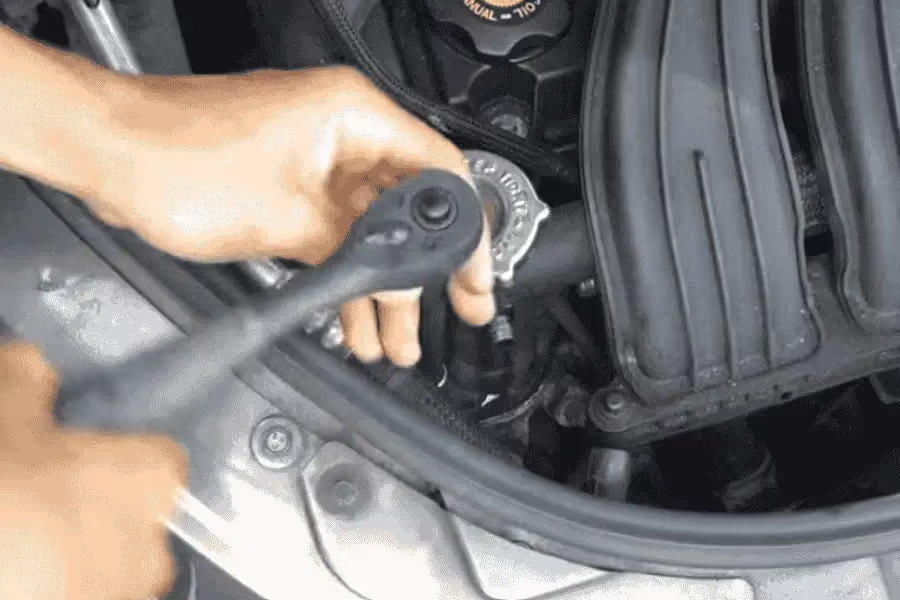
  • Carefully remove the bolts holding the housing.
  • Lift the housing away, take your time, as many housings are made from aluminum and can crack easily.


thermostat replacement removing the bolts holding the housing
Source: ChrisFix YouTube

Step 3: Remove the Old Thermostat

  • Pull out the old thermostat.
  • Compare it with your new one to ensure matching part numbers and correct size.

Step 4: Install the New Thermostat

  • Clean the surface on both the engine and thermostat housing with a rag.
  • Scrape off old gasket material to ensure a perfect seal.
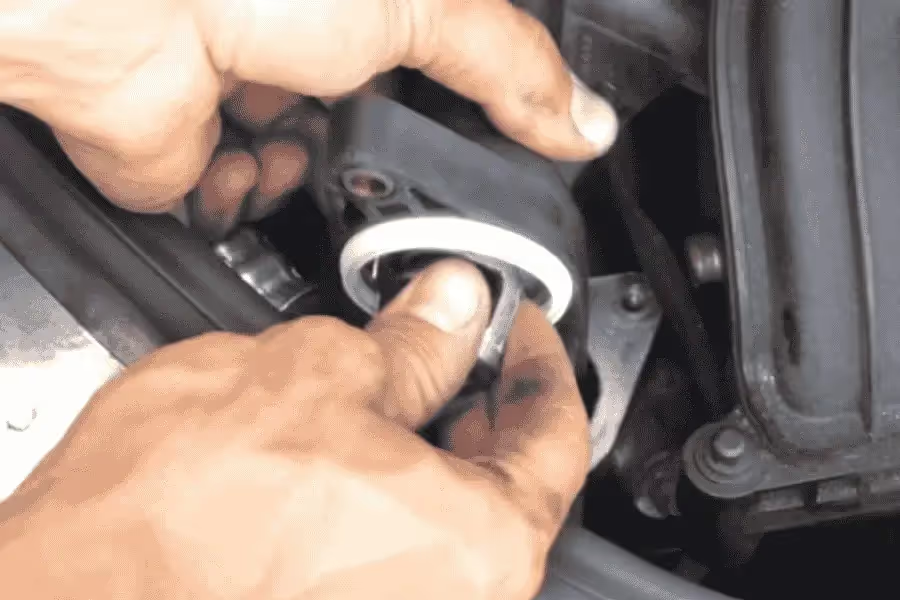
  • Place the new thermostat in its groove. Make sure the air bleed hole (if present) is facing the right direction.
  • Install the correct gasket and reattach the housing securely.

installing new thermostat
Source: ChrisFix YouTube

Step 5: Refill & Bleed the Cooling System

  • Refill the system with fresh coolant.
  • Start the engine and let it idle until warm.
  • Watch the temperature gauge, ensure it climbs to normal and stays steady.
  • Top up the coolant reservoir if needed.
  • Check for leaks around the housing.

Common Mistakes

  • Using the wrong thermostat type: Each engine requires a specific temperature rating. Using the wrong one can lead to overheating or poor performance.
  • Not cleaning the gasket surface: Even small bits of old gasket or debris can cause leaks. Always clean both surfaces fully before installing the new thermostat.
  • Incorrect thermostat orientation: Installing it upside down or misaligned blocks coolant flow, which can quickly cause overheating.

How to manage replacement across your fleet?

Keeping engines cool is essential for uptime. Here’s how fleets can stay ahead:

  • Set a recurring thermostat check in your preventive maintenance schedule.
  • Track temperature-related issues and coolant replacements in your fleet software.
  • Train drivers to report overheating, low heat output, or fluctuating gauges immediately.
  • Stock extra thermostats and gaskets for commonly used vehicle models.

Frequently Asked Questions

How do I know when a thermostat replacement is needed?
Is it better to change the thermostat or try a thermostat repair first?
What happens if a coolant thermostat is installed incorrectly?

Ready to Take Control?

Experience firsthand why Simply Fleet is the preferred partner for fleets of all sizes.‍

Contact us today to schedule a personalized demo or start your free trial.
Fleet Manager looking happy with Simply Fleet's solution
Thank you! Your submission has been received!
Oops! Something went wrong while submitting the form.
HOw to calculate TCO

Replace a Vehicle Thermostat

Simply Fleet Logo
Simply Fleet
December 4, 2025

A thermostat may be small, but it plays a big role in keeping an engine healthy. When it sticks open or closed, the engine can overheat or run too cold, leading to wasted fuel, warning lights, and costly repairs. The good news? A thermostat replacement is straightforward when done step-by-step.