What service is coming due?
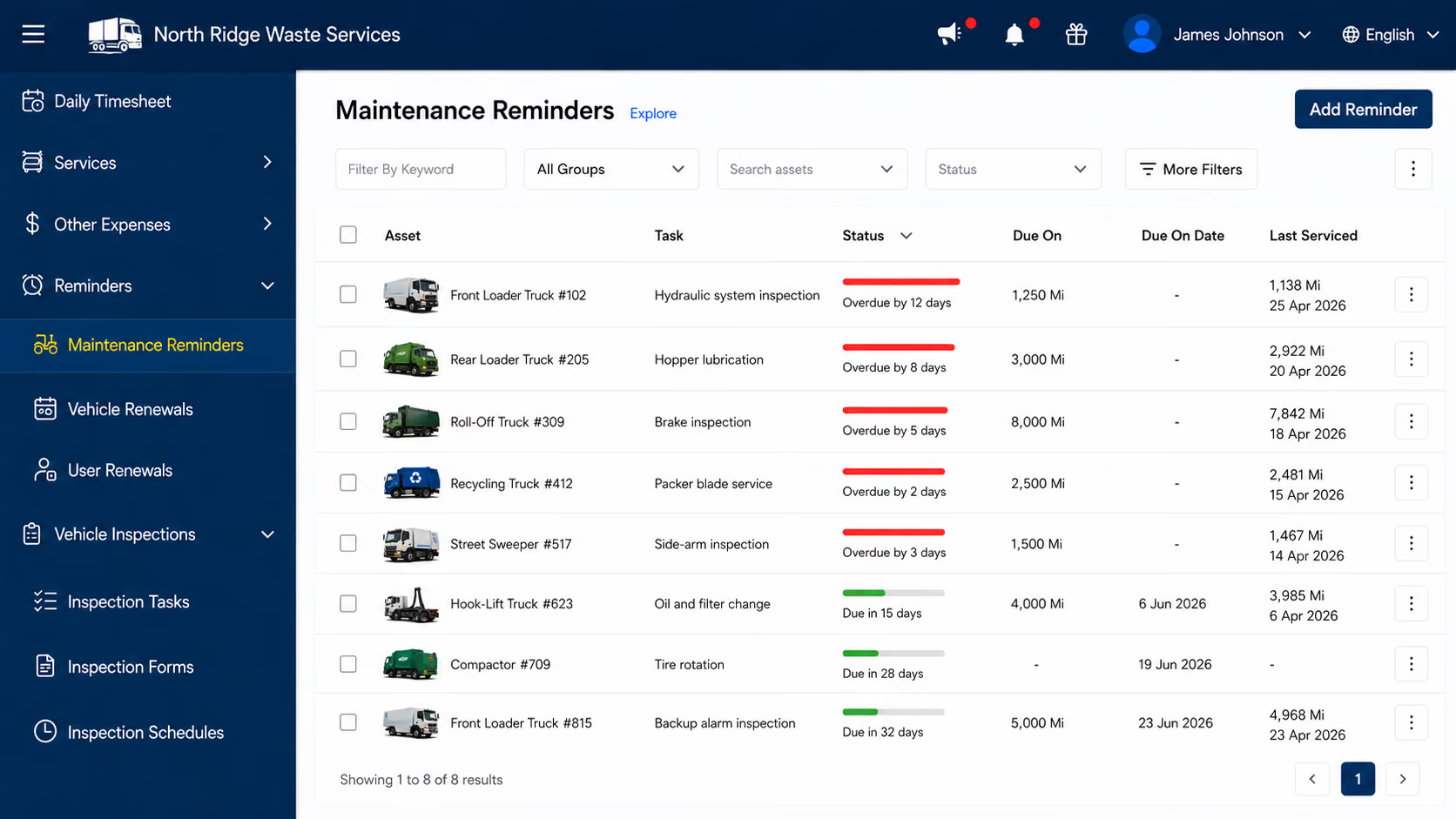
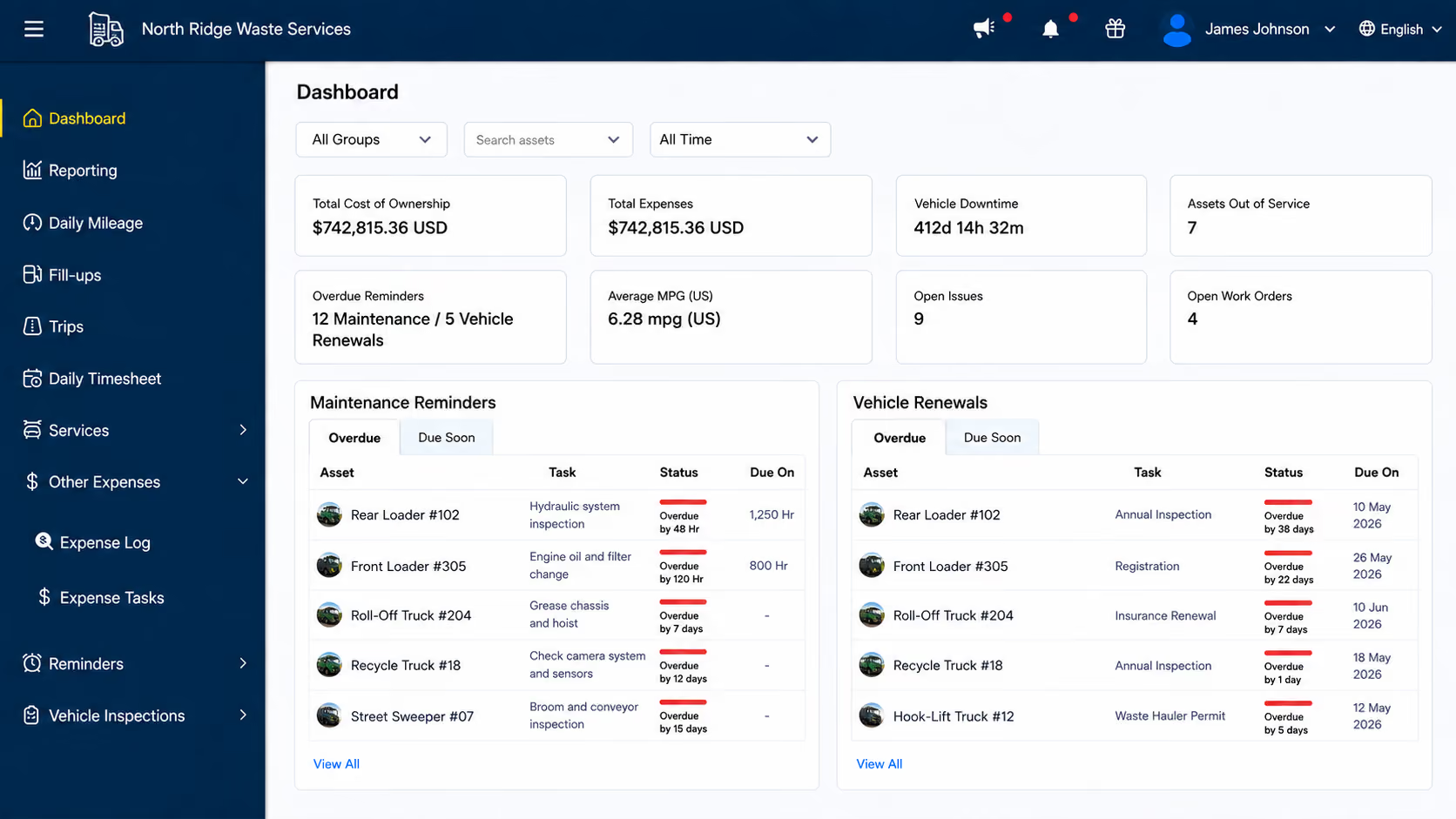
See upcoming, due and overdue maintenance before the truck returns to service.


Keep refuse trucks, roll-offs, recycling vehicles and support equipment inspected, maintained, repaired and documented. Simply Fleet connects preventive maintenance, pre-route inspections, defects, work orders, parts, fuel, telematics-fed maintenance data and truck-level operating costs.
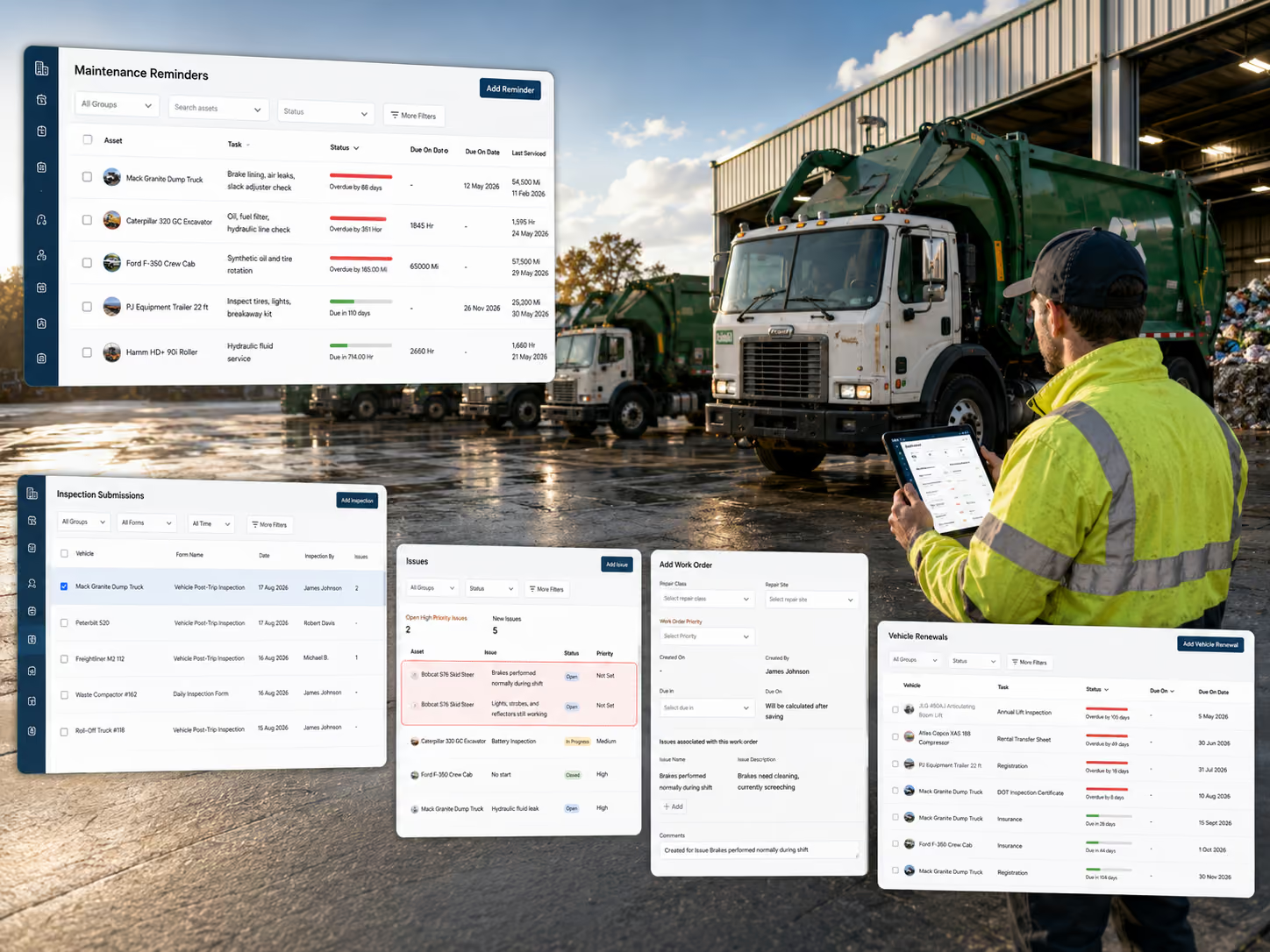
See what needs maintenance or repair attention before it disrupts collection.
See upcoming, due and overdue maintenance before the truck returns to service.
See unresolved inspection findings that still need review or repair.
See which jobs are waiting, in progress or blocked by parts.
Give fleet and shop managers a clearer route-readiness picture.
Building or updating pre-route checks? See our garbage truck inspection checklist.
Stop-and-go collection trucks can accumulate heavy engine and equipment use without covering high mileage. Simply Fleet lets you schedule preventive maintenance using the trigger that best reflects how each truck or asset is actually used.
Explore preventive maintenance software.
A pre-route defect should stay connected to the maintenance work that follows. Simply Fleet keeps the inspection finding, repair decision, work order, parts and completed service tied to the truck.
Explore vehicle inspections, issue management and digital work orders.
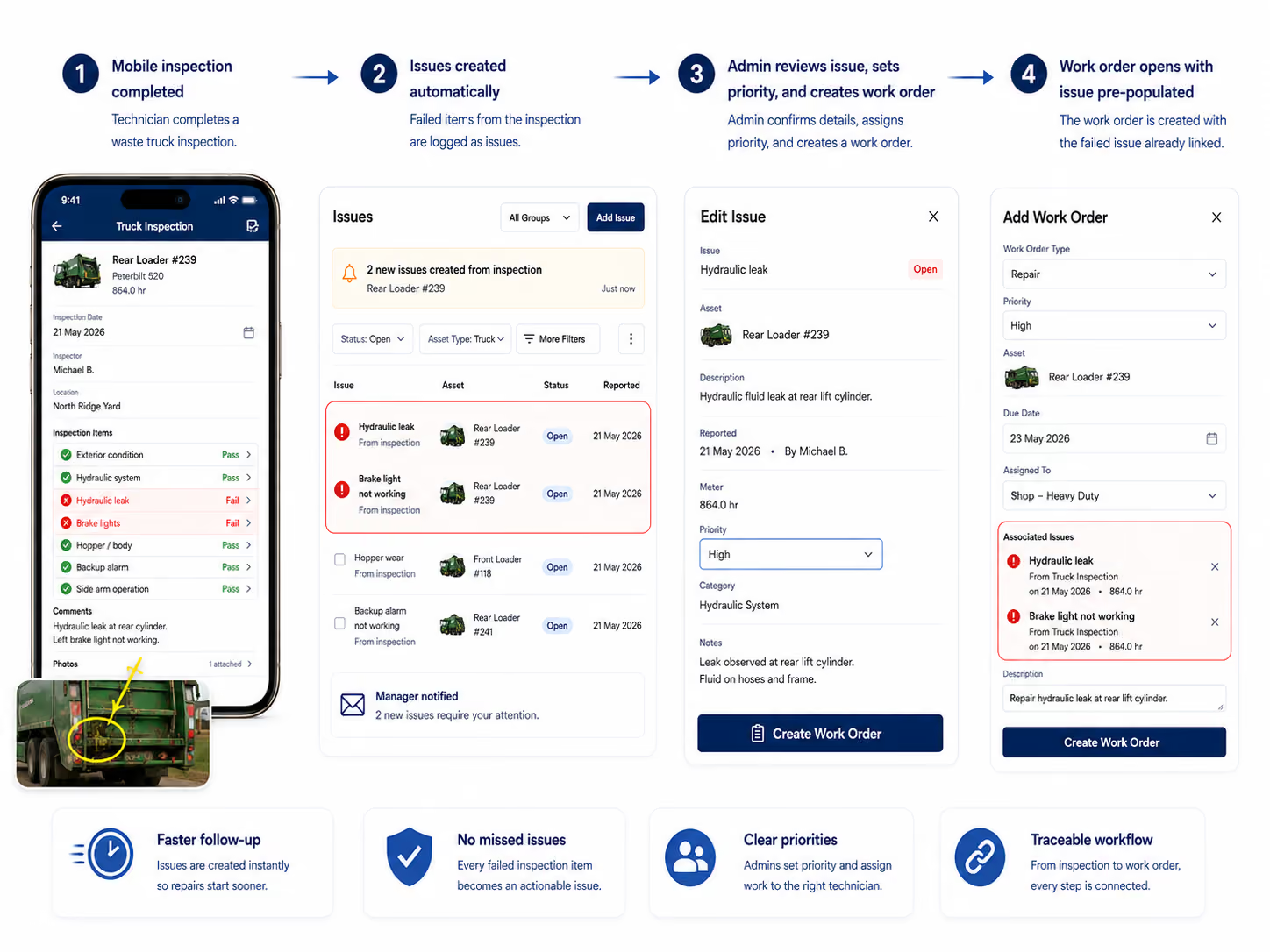
A driver records the defect and the failed item stays tied to the truck.
A manager reviews priority, route readiness and whether repair work is needed.
Technicians complete the job with parts, labor, notes and repair status attached.
Completed repair is added to the truck’s service history.
Cameron Recycling uses Simply Fleet for mobile inspections, maintenance reminders, work orders, inventory visibility and remote maintenance oversight across its waste and recycling fleet.
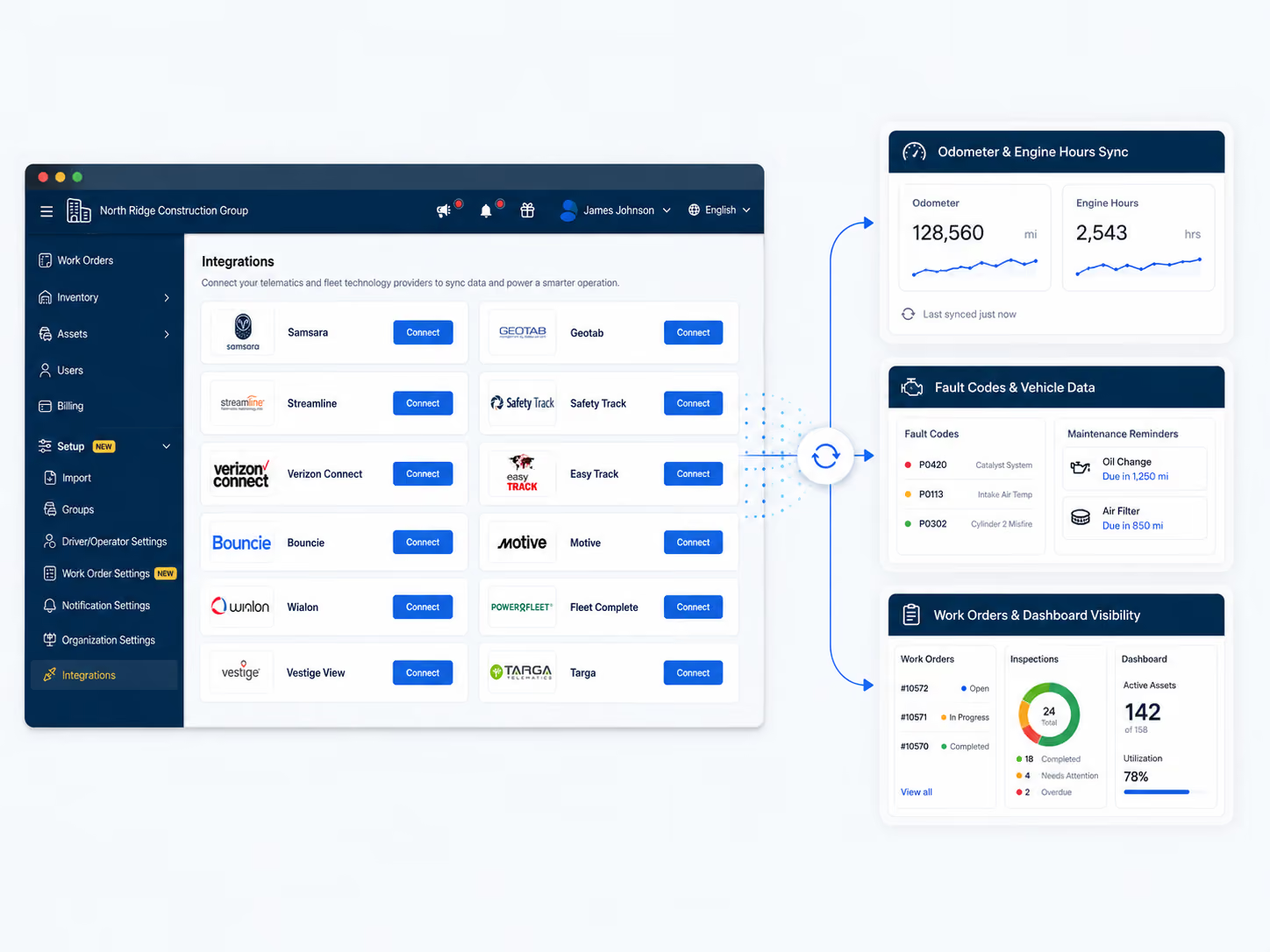
Supported telematics integrations can sync odometer and fault-code data into Simply Fleet, depending on the provider and asset, so maintenance teams can act on current usage and vehicle faults without relying only on manual updates.
Keep fuel, maintenance, repair and parts costs tied to each truck so managers can see where spending is rising.
Explore fuel management, fleet reporting and fleet records and compliance workflows.
Yes. Schedule preventive maintenance by mileage, engine hours, time, or a combination that matches how the truck is serviced.
Collection trucks can spend significant time idling and operating auxiliary equipment while covering relatively low mileage. Engine-hour schedules provide another way to trigger maintenance based on actual use.
Yes. A failed inspection item can create an issue tied to the truck. A manager can review the defect and create a work order when repair work is required, while inspection and maintenance records stay organized with the truck.
Yes. Parts inventory can be tracked by quantity, location, cost and other details, and parts used can be recorded against the work order.
Supported integrations can sync available odometer and fault-code data into Simply Fleet. The exact data available depends on the connected provider and asset.
Yes. Fuel, expenses, service history and repair records can stay tied to the truck so managers can review what individual units are costing to operate.