Maintenance reminders
Mileage, engine hours or time can drive recurring service schedules and advance alerts.


Stop checking spreadsheets for what is due next. Simply Fleet automates recurring maintenance reminders, keeps mileage current through supported telematics, creates issues from failed inspections, tracks renewal deadlines, and reduces routine fuel and service data entry.
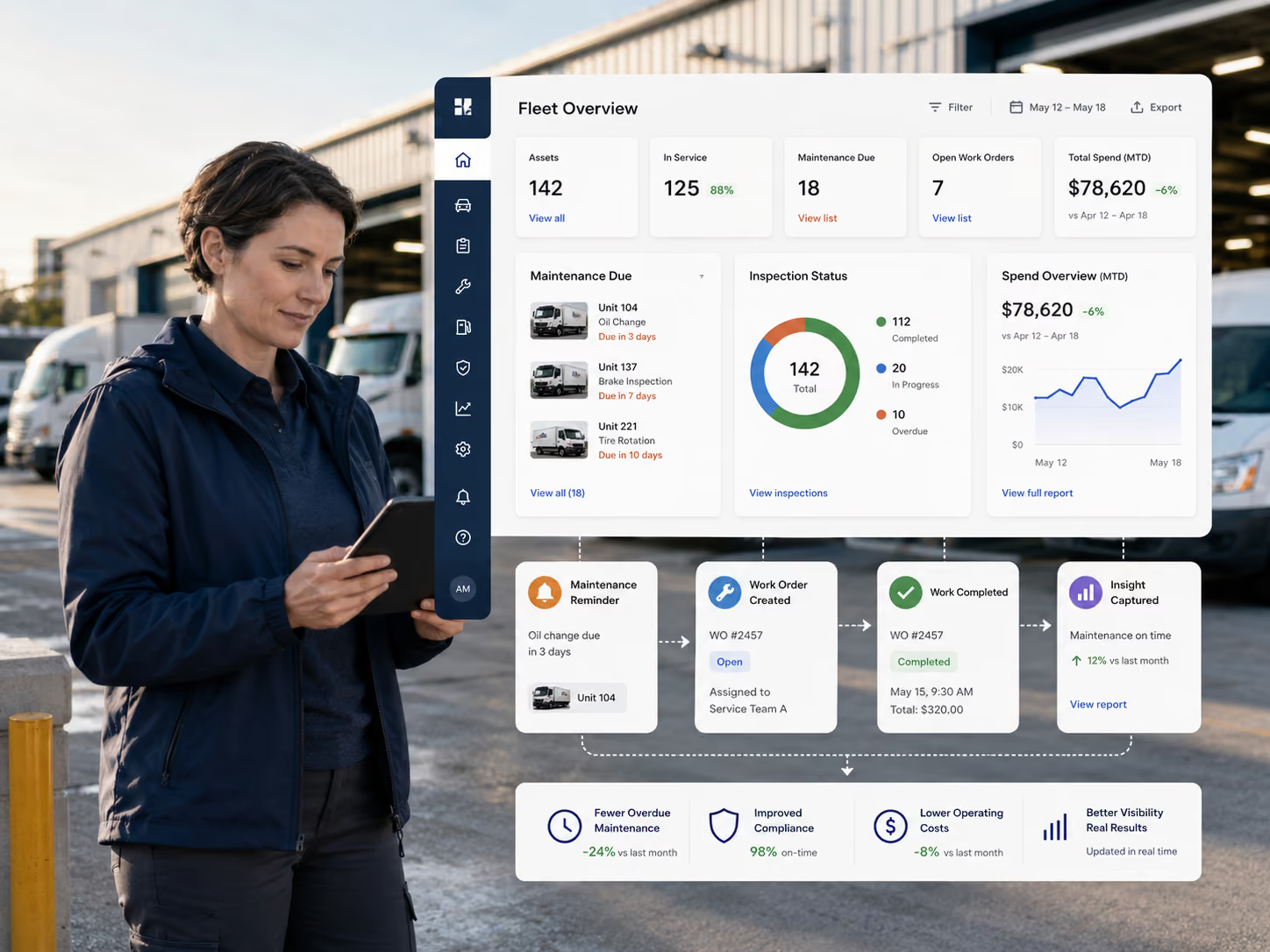
Let mileage, inspection results, service schedules and expiration dates trigger the next step instead of relying on someone to remember it.
Mileage, engine hours or time can drive recurring service schedules and advance alerts.
Configured preventive maintenance can create a work order automatically when service becomes due.
A failed inspection item creates an issue automatically so your team can review the defect.
Supported telematics can sync odometer data so mileage-based maintenance stays current.
Track registration, insurance, permit and user-document deadlines with advance notifications.
Scan receipts and service invoices or log updates by voice instead of typing every field.
Stop checking every vehicle manually to see what is due. Set your preventive maintenance rules once. Simply Fleet tracks what’s coming due, alerts your team, and keeps the completed service in the vehicle’s history.
Schedule service by mileage, engine hours, time, or a combination that fits the asset.
As service approaches, Simply Fleet shows what’s upcoming, due, or overdue and notifies the right people.
When configured, a due PM reminder can automatically create the work order so the repair is ready to assign and track.
Log the completed service and the next due point recalculates automatically.
When supported telematics integrations update a vehicle's odometer, mileage-based maintenance can stay aligned with actual usage.
When a vehicle inspection item fails, Simply Fleet creates an issue connected to the vehicle. Your team can review the defect and decide what happens next without entering the same problem again.
Failed item → issue. The issue is created automatically with the inspection as its source.
Issue → review. A manager can prioritize it, add context, or mark the vehicle out of service when needed.
Review → repair. If repair work is required, the issue can be turned into a work order and assigned to a technician.
Repair → history. Closing the work order records the completed work in the Service Log.
Automate predictable handoffs with digital work orders while managers stay in control of repair decisions.
PM becomes due → work order is created → technician completes the work → parts, labor and notes are recorded → service history updates.
A driver or inspection reports a problem → the issue stays open for review → a manager decides whether repair work is needed → the issue can become a work order → the repair is tracked to completion.
Use Simply Fleet AI to remove the repetitive data entry your team shouldn’t have to do manually. Your team still reviews the record, but it does not have to start by typing every field.
Take a photo and let Simply Fleet extract the fill-up details before the driver verifies the record.
Upload a service invoice to capture labor, parts and repair costs without retyping every line.
Drivers and technicians can speak updates from the field instead of stopping to type them on a phone.
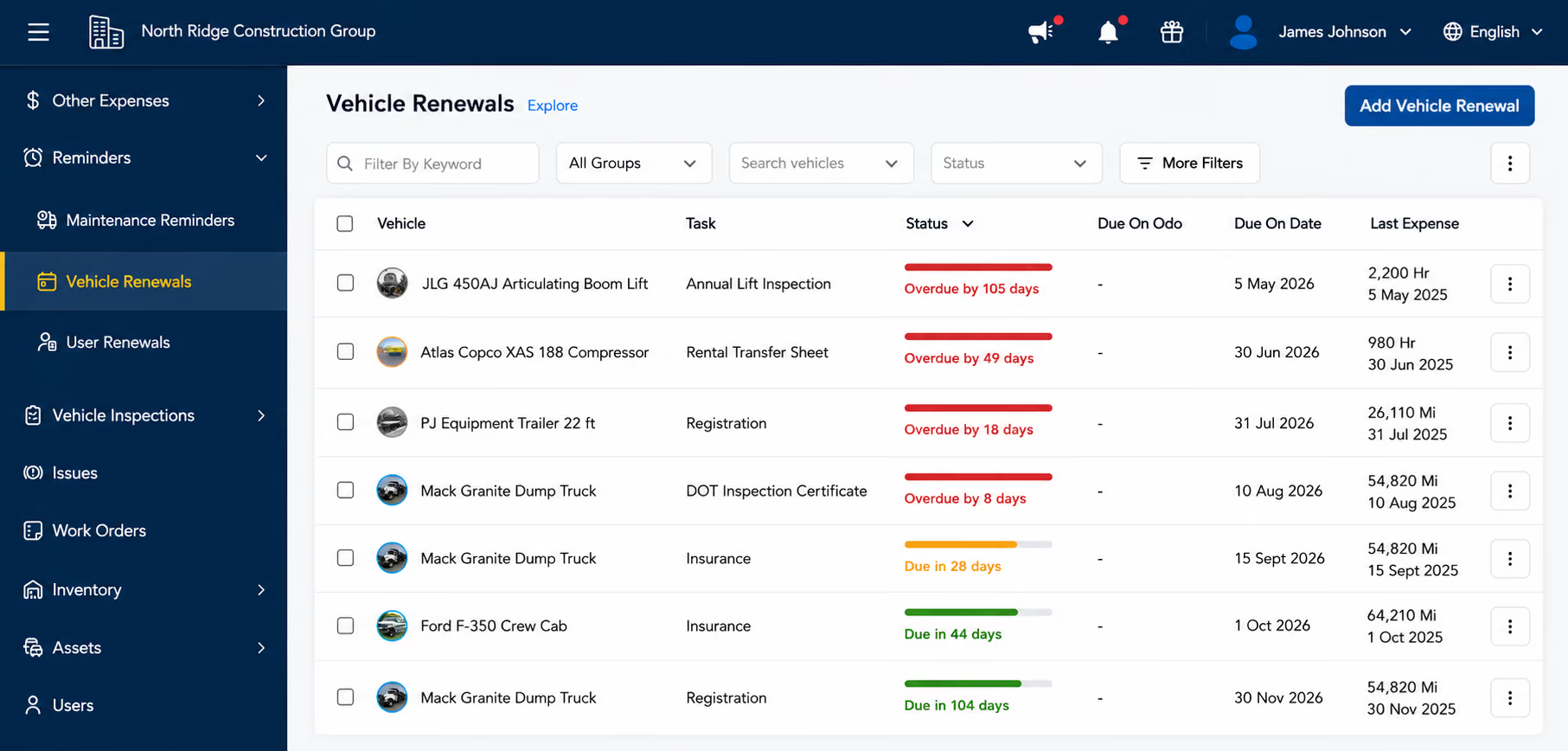
Stop maintaining a separate calendar for recurring deadlines. Fleet renewal reminders track dates and alert the people who need to act before the deadline arrives.
Vehicle renewals. Track registration, insurance, permits and similar recurring vehicle requirements with advance reminders.
User documents. Track driver licenses, certifications, medical certificates and other time-sensitive documents by person.
Keep the next date current. Applicable vehicle renewal reminders reset automatically when the matching renewal expense is recorded.
Use Simply Ask to ask a plain-language fleet question and get the answer without rebuilding filters or exporting data first.
.svg)


Reduction in Vehicle Downtime
Maintenance Cost Savings
Fuel Efficiency Gains
Time Saved/Week