


%20(1).avif)


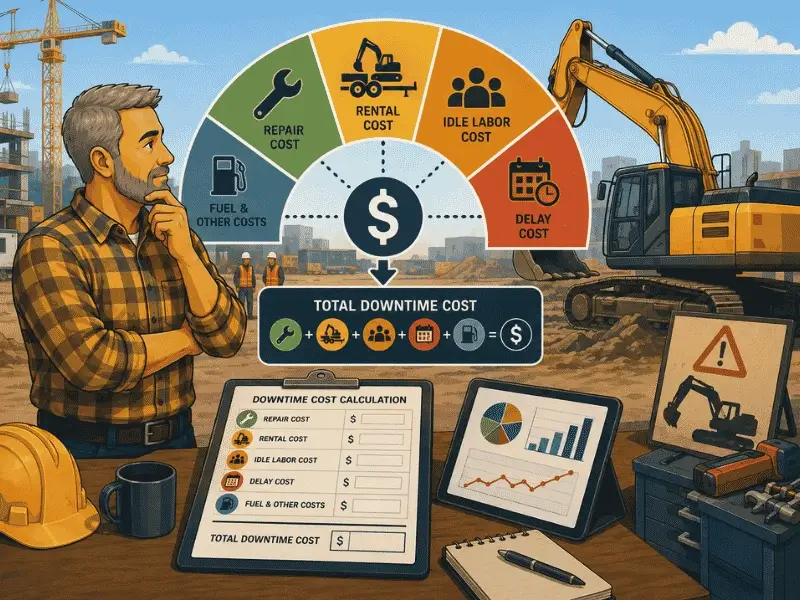
Construction Equipment Downtime Cost: How to Calculate It (and Cut It)
Key Takeaways
- Better fleet data turns past expenses into reliable cost forecasts instead of guesswork.
- Accurate maintenance and fuel data help predict future spending and reduce budget surprises.
- Vehicle-level insights reveal true cost per mile and total cost of ownership.
- Utilization data prevents over-budgeting for underused or unnecessary vehicles.
- Centralized fleet data enables proactive, data-driven financial planning and control.
Fleet costs rarely spiral overnight. They creep up quietly through small inefficiencies, unplanned repairs, fuel wastage, or poor visibility into day-to-day operations. For many fleet managers, cost forecasting still relies on spreadsheets, historical averages, and educated guesses. The result is budgets that look good on paper but fall apart in reality.
Better fleet data changes this completely. When fleet data is accurate, centralized, and analyzed properly, cost forecasting becomes predictable, defensible, and actionable. Instead of reacting to cost overruns, fleet managers can anticipate them and prevent them.
This article explains how better fleet data directly improves cost forecasting, where most fleets go wrong, and how modern fleet management platforms like Simply Fleet help build reliable financial forecasts.
Why Cost Forecasting Is So Difficult in Fleet Operations
Fleet operations involve multiple cost variables that change constantly. Fuel prices fluctuate. Vehicles age differently. Drivers behave differently. Routes change. Maintenance needs are rarely uniform.
Without quality data, forecasting becomes difficult because:
- Costs are spread across multiple systems or vendors
- Maintenance is reactive instead of planned
- Fuel and utilization data is incomplete
- Vehicle performance is not tracked consistently
- Forecasts are based on averages rather than trends
Better fleet data solves these problems by turning daily operations into measurable, predictable patterns.
What Is “Better Fleet Data”?

Better fleet data is relevant, accurate, and structured data that gives visibility into how the fleet actually operates.
Key Characteristics of High-Quality Fleet Data
- Centralized across vehicles, drivers, and assets
- Updated regularly or in real time
- Consistent and standardized
- Linked to financial outcomes
- Easy to analyze and visualize
This kind of data allows fleet managers to move from assumptions to evidence-based forecasting.
How Better Fleet Data Improves Cost Forecasting
Accurate cost forecasting begins with understanding what your fleet has already spent and why. When historical fleet data is properly captured and analyzed, it stops being static records and starts guiding smarter, forward-looking financial decisions.
1. Turns Historical Costs Into Predictive Insights
Most fleets already have historical cost data, but it is often underutilized. When historical data is clean and categorized properly, it becomes the foundation for accurate forecasting.
Instead of asking, “What did we spend last year?”, better fleet data helps answer:
- Why costs increased or decreased
- Which vehicles contributed most to expenses
- Which trends are repeating over time
This allows forecasting models to account for patterns rather than just past totals.
2. Improves Maintenance Cost Forecasting
Maintenance is one of the most unpredictable fleet expenses, unless data is used correctly.
With detailed maintenance data, fleets can forecast:
- When vehicles are likely to need servicing
- Which components fail most often
- How maintenance costs increase with vehicle age
Example of Maintenance Cost Forecasting Using Fleet Data
This data helps fleets plan maintenance budgets realistically and decide when vehicle replacement is more cost-effective than continued repairs.
3. Enables Accurate Fuel Cost Projections
Fuel is one of the largest and most volatile fleet expenses. Without good data, fuel forecasting often relies on assumptions that break down quickly.
Better fleet data improves fuel forecasting by tracking:
- Fuel consumption per vehicle
- Fuel cost per mile
- Route-level fuel efficiency
- Driver behavior impact on fuel use
With this information, fleet managers can forecast fuel costs based on usage trends rather than just fuel prices.
Benefits of Data-Driven Fuel Forecasting
- Identifies inefficient vehicles early
- Highlights routes with higher fuel burn
- Helps quantify savings from route optimization
- Supports driver training decisions
4. Reveals True Cost Per Vehicle and Per Mile
Many fleets underestimate costs because they do not calculate total cost of ownership accurately.
Better fleet data brings all costs together:
- Fuel
- Maintenance
- Insurance
- Registration
- Downtime
- Depreciation
When costs are tied to each vehicle, forecasting becomes far more precise. Fleet managers can identify which vehicles are profitable assets and which are cost liabilities.
This clarity also helps in planning:
- Fleet expansion
- Vehicle replacement
- Leasing vs ownership decisions
Download Our Free Fleet Management Resources Now!
Prevent costly breakdowns and maximize uptime with our free checklist.
Download
5. Improves Utilization-Based Forecasting
Unused or underutilized vehicles are silent cost drivers. Without utilization data, fleets often budget for vehicles they do not truly need.
Fleet data helps forecast costs by showing:
- How often each vehicle is used
- Idle time trends
- Seasonal demand patterns
This allows fleets to align budgets with actual operational demand rather than fixed assumptions.
6. Supports Predictive Maintenance and Fewer Budget Surprises
Reactive maintenance creates unpredictable expenses. Predictive maintenance (powered by fleet data) creates stability.
By analyzing maintenance history and usage patterns, fleets can forecast:
- Likely breakdown windows
- Upcoming part replacements
- Maintenance workload over time
Financial Planning Becomes Proactive, Not Reactive
Better fleet data changes how finance and operations teams work together.
Instead of explaining cost overruns after they happen, fleet managers can:
- Show data-backed forecasts
- Model different cost scenarios
- Adjust budgets dynamically as conditions change
This makes fleet budgets more credible and easier to defend internally.
Common Cost Forecasting Mistakes Without Good Fleet Data
Many fleets struggle with forecasting because of avoidable mistakes:
- Relying on annual averages
- Ignoring vehicle-level differences
- Treating maintenance as unpredictable
- Tracking fuel costs without usage context
- Forecasting in silos instead of holistically
These issues are rarely solved by spreadsheets alone.
How Fleet Management Software Improves Forecast Accuracy
Modern fleet management platforms bring all fleet data into one system, making forecasting practical and repeatable.
Key Features That Enable Better Cost Forecasting:
- Centralized vehicle and cost records
- Maintenance scheduling and history
- Fuel tracking and reporting
- Utilization analytics
- Custom cost reports
Why Data Quality Matters More Than Data Volume
More data does not automatically lead to better forecasts. Poor-quality data can be worse than no data at all.
Effective cost forecasting depends on:
- Consistent data entry
- Standard cost categories
- Regular data review
- Clear ownership of data accuracy
Fleet managers who focus on data quality see faster improvements in forecasting accuracy.
Final Thoughts
Fleet cost forecasting does not fail because fleets lack experience, it fails because they lack visibility. Better fleet data provides that visibility. When costs are understood at the vehicle, driver, and operational level, forecasting becomes realistic, flexible, and actionable.
Want to improve your fleet cost forecasting? Simply Fleet helps you track maintenance, fuel, utilization, and total fleet costs in one easy-to-use platform, so you can forecast with confidence, not guesswork.
Start using Simply Fleet to turn fleet data into smarter financial decisions.