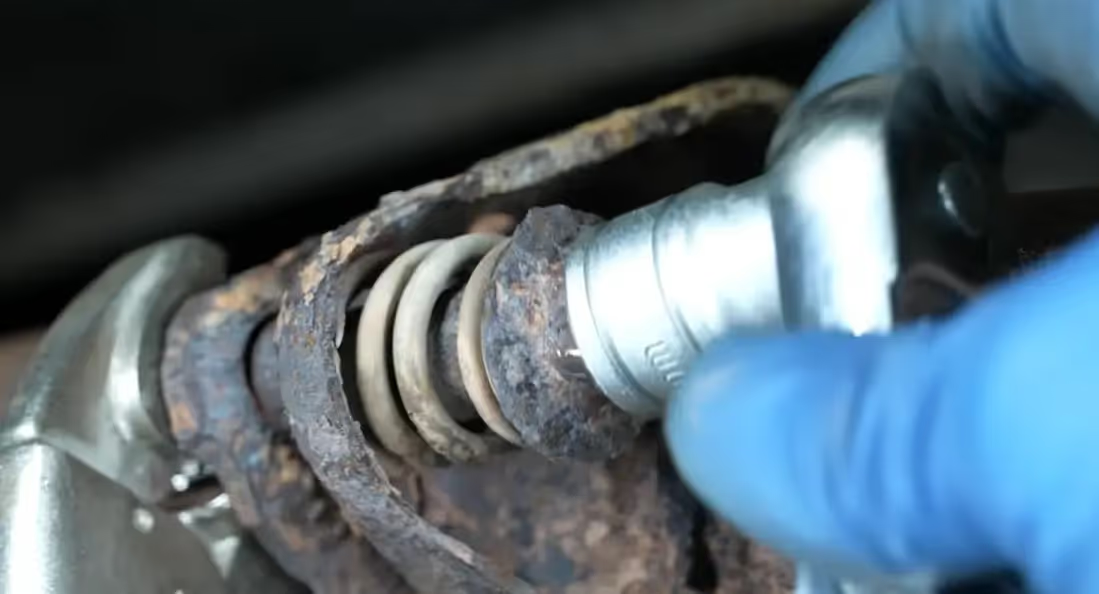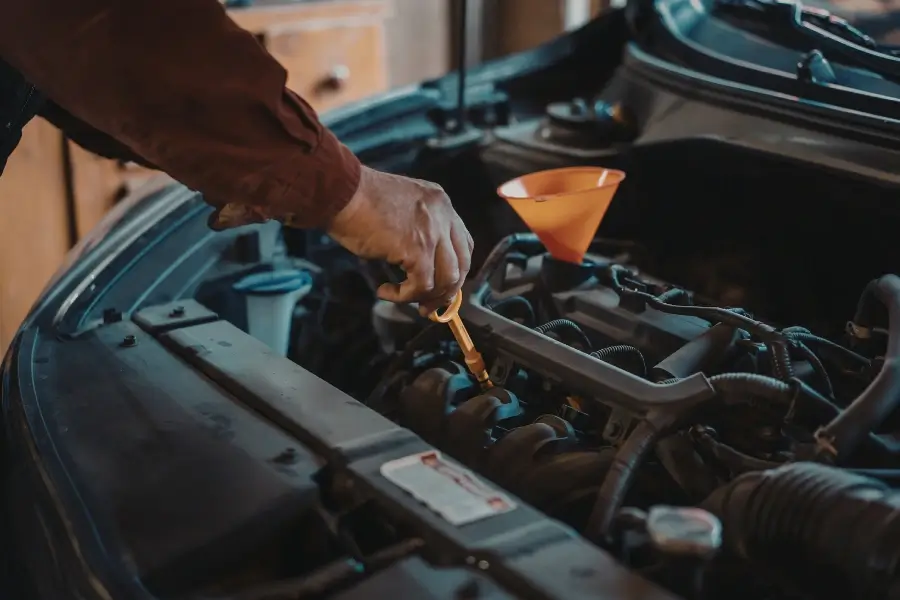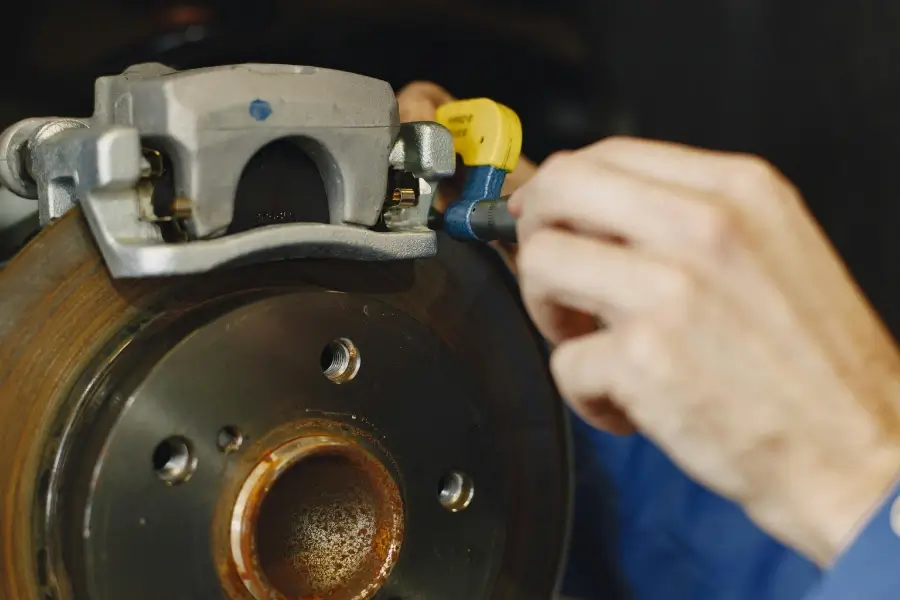




A loud rumble, hissing noise, or sudden drop in fuel efficiency can all point to one issue, an exhaust leak. While the exhaust system works quietly in the background, even a small leak can turn into a safety risk if ignored. Before inspecting, testing, or repairing an exhaust leak, ensure the vehicle is parked safely, the engine is turned off, and the exhaust system has completely cooled. Work in a well-ventilated area and wear basic protective equipment to avoid exposure to hot components or harmful gases.
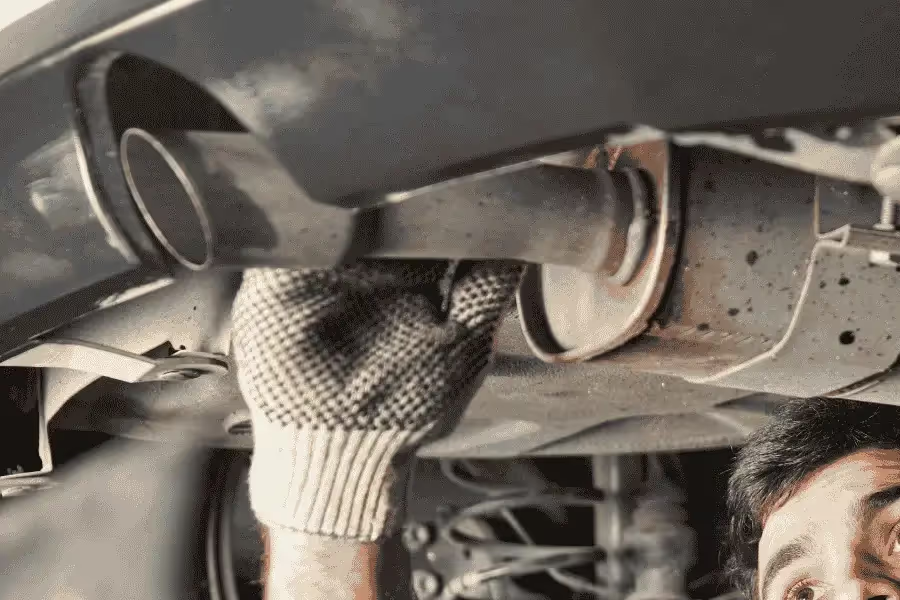
Tools Needed

  • Safety gloves and safety glasses
  • Flashlight or inspection light
  • Jack and jack stands or ramps
  • Socket set or wrenches
  • Spray bottle with soapy water
  • Replacement gaskets or clamps (if needed)
  • Muffler or exhaust repair cement (temporary fix)
  • Wire brush and clean rags

How to Inspect and Repair an Exhaust Leak (Step-by-Step)

Step 1: Listen for Signs of an Exhaust Leak

  • Start the engine and listen for hissing, tapping, or popping sounds
  • Pay attention to noises near the engine bay or under the vehicle.
  • Louder sounds during acceleration often indicate an exhaust leak.

Step 2: Perform a Visual Exhaust Inspection

exhaust leak repair
  • Let the exhaust system cool completely before inspecting.
  • Follow the exhaust from the manifold to the tailpipe.
  • Look for cracks, rust holes, or black soot around joints and welds.
  • Check clamps, flanges, and mounting points for looseness or damage.

Step 3: Identify the Exact Exhaust Leak Location

  • Inspect the exhaust manifold first, where leaks are most common.
  • Check gasket areas between exhaust sections for escaping gases.
  • Look for corrosion along pipes and around the muffler body.
  • Ensure exhaust pipes are not rubbing against the chassis or frame.

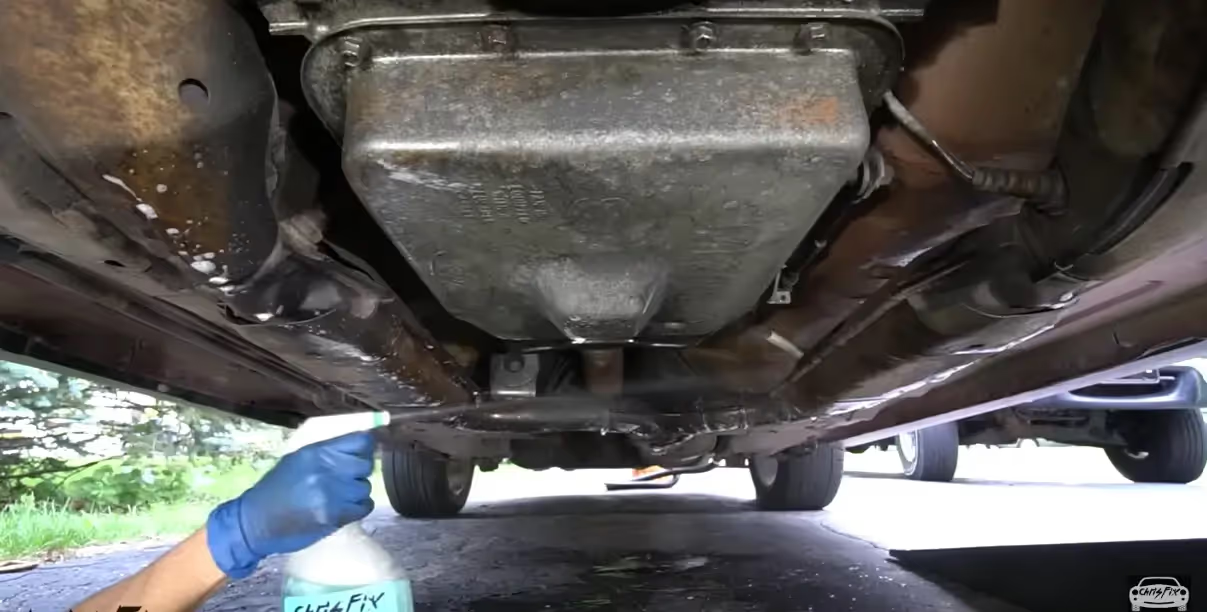
Step 4: Confirm the Leak Using Soapy Water (Optional)

check exhaust leak
Source: ChrisFix (YouTube)
  • Keep the engine off and the exhaust system cold.
  • Spray soapy water along suspected leak areas.
  • Gently push air through the tailpipe using a blower or compressor.
  • Watch for bubbling, which clearly marks an exhaust leak.

Step 5: Repair Minor Exhaust Leaks

repair exhaust leak
Image Source: ChrisFix (YouTube)
  • Tighten loose exhaust bolts, clamps, or flange connections.
  • Replace damaged exhaust gaskets causing leaks at joints.
  • Clean small holes or cracks with a wire brush.
  • Apply exhaust or muffler repair cement to seal minor leaks.

Step 6: Replace Severely Damaged Exhaust Components

  • Replace exhaust pipes with heavy rust, cracks, or thinning metal.
  • Swap out a leaking muffler instead of patching large holes.
  • Avoid temporary repairs near sensors or the exhaust manifold.
  • Schedule professional exhaust leak repair if access is limited.

Step 7: Test the Repair

  • Start the engine and listen for reduced exhaust noise.
  • Check repaired areas for leaks while the engine is running.
  • Take a short drive and monitor sound, smell, and vibration.

Common Mistakes

  • Ignoring early exhaust noise: Delaying inspection allows small leaks to grow and increases exposure to harmful exhaust gases.
  • Treating an exhaust leak test as a fix: Testing helps locate the problem, but it does not repair cracked pipes, failed gaskets, or loose joints.
  • Using temporary patches as permanent fixes: Wraps or sealants are short-term solutions and can fail under heat and vibration.
  • Skipping safety precautions under vehicles: Always use jack stands, gloves, and eye protection when inspecting or repairing an exhaust leak.
  • Overlooking gasket leaks near the manifold: Exhaust manifold gasket failures are common and often missed during visual checks.

When to Inspect for an Exhaust Leak

Inspect the exhaust system as soon as you notice:

  • Louder-than-normal exhaust noise or popping sounds
  • Hissing near the engine or under the vehicle
  • Strong exhaust smell inside or around the vehicle
  • Reduced fuel efficiency
  • Failed emissions or inspection warnings

How to manage replacement across your fleet?

  • Include exhaust checks in routine inspections
  • Train drivers to report noise or exhaust smells immediately
  • Track repairs and repeat failures by vehicle
  • Replace heavily corroded systems proactively
  • Avoid temporary fixes for commercial vehicles

Frequently Asked Questions

How do you know if you need an exhaust leak repair?
Can you repair an exhaust leak, or does it need replacement?
Is it safe to drive with an exhaust leak?

Ready to Take Control?

Experience firsthand why Simply Fleet is the preferred partner for fleets of all sizes.‍

Contact us today to schedule a personalized demo or start your free trial.
Fleet Manager looking happy with Simply Fleet's solution
Thank you! Your submission has been received!
Oops! Something went wrong while submitting the form.

A loud rumble, hissing noise, or sudden drop in fuel efficiency can all point to one issue, an exhaust leak. While the exhaust system works quietly in the background, even a small leak can turn into a safety risk if ignored. Before inspecting, testing, or repairing an exhaust leak, ensure the vehicle is parked safely, the engine is turned off, and the exhaust system has completely cooled. Work in a well-ventilated area and wear basic protective equipment to avoid exposure to hot components or harmful gases.