




How to Identify High-Cost Fleet Vehicles Across Multiple Locations
Key Takeaways
- Facility management companies rely on vehicle fleets for timely service delivery, making fleet management critical to operations and client satisfaction.
- Common fleet challenges include high operating costs, vehicle downtime, poor utilization, and lack of driver accountability.
- Preventive maintenance, clear fleet policies, and regular driver training help reduce breakdowns and control costs.
- Fleet management software enables real-time tracking, fuel monitoring, compliance management, and data-driven decisions.
- Simply Fleet helps facility management companies gain full visibility and control over their fleets, improving efficiency and reliability.
Facility management companies rely heavily on vehicles to keep operations running smoothly. From transporting technicians and supervisors to moving equipment and responding to emergencies, fleets are the backbone of day-to-day service delivery.
However, managing vehicle fleets in facility management companies is rarely simple. Rising costs, compliance requirements, driver behavior, and maintenance challenges can quickly eat into margins if fleets are not managed strategically.
This guide explains how facility management companies can manage their vehicle fleets efficiently, reduce costs, improve reliability, and turn fleet operations into a competitive advantage with practical insights and proven best practices.
Why Fleet Management Is Critical in Facility Management
In facility management, service quality depends on speed, reliability, and coordination. A delayed vehicle often means delayed cleaning, repairs, security, or maintenance at a client site. Poor fleet management directly impacts client satisfaction, operational costs, and safety.
Effective fleet management helps facility management companies:
- Ensure timely service delivery across multiple sites
- Control fuel, maintenance, and repair costs
- Reduce vehicle downtime and breakdowns
- Improve driver safety and accountability
- Stay compliant with regulatory and insurance requirements
In short, a well-managed fleet supports both operational excellence and long-term profitability.
What Are the Fleet Problems Faced by Facility Management Companies?
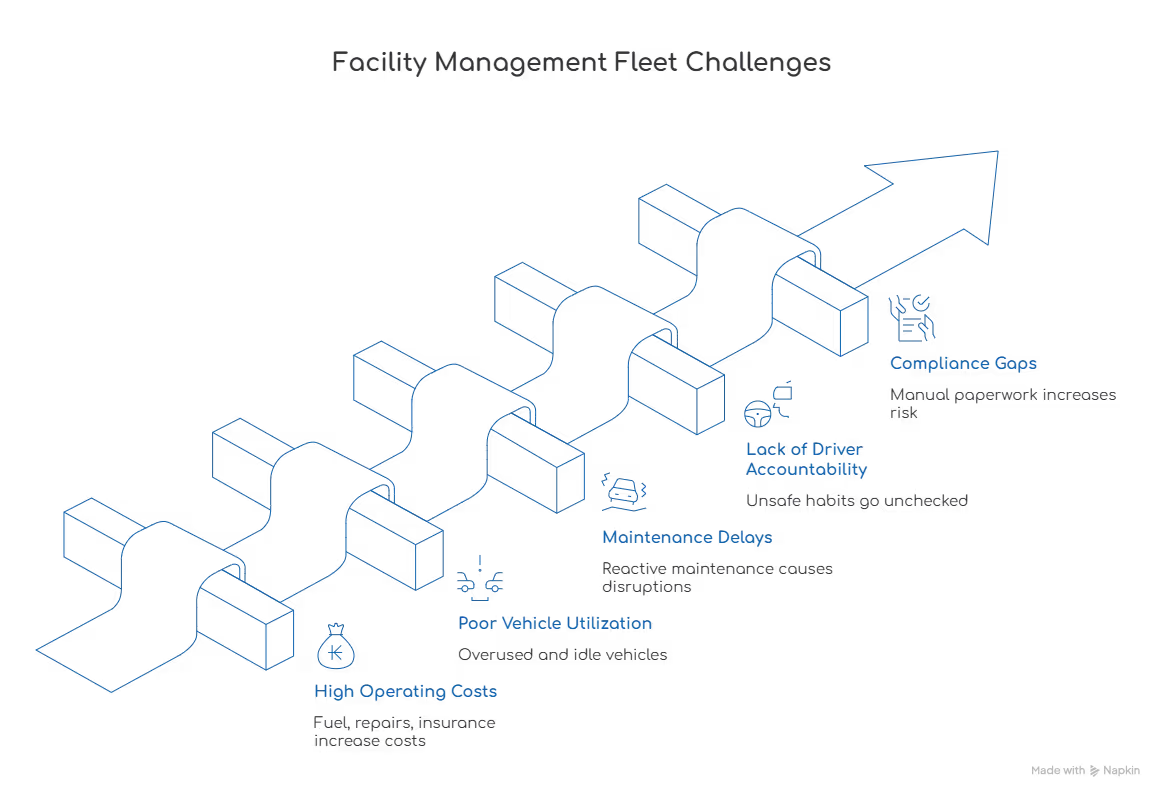
Facility management fleets face a unique mix of operational and logistical challenges. These issues often grow as companies scale across cities or regions.
1. High Fleet Operating Costs
Fuel expenses, frequent repairs, insurance, and unplanned breakdowns significantly increase operating costs. Without visibility into usage and performance, these costs often go unnoticed until budgets are exceeded.
2. Poor Vehicle Utilization
Some vehicles are overused while others remain idle. This imbalance leads to faster wear and tear on certain vehicles and unnecessary capital investment in underutilized assets.
3. Maintenance Delays and Downtime
Reactive maintenance (fixing vehicles only after they break down) causes service disruptions and higher repair bills. Downtime directly affects service-level agreements (SLAs).
4. Lack of Driver Accountability
Facility management drivers often work independently across multiple locations. Without monitoring, unsafe driving habits, fuel misuse, or unauthorized vehicle use can go unchecked.
5. Compliance and Documentation Gaps
Managing licenses, insurance, inspections, and regulatory paperwork manually increases the risk of missed renewals, penalties, or audit failures.
Key Components of Effective Fleet Management
Managing vehicle fleets in facility management companies requires a structured approach that covers the entire fleet lifecycle.
Vehicle Lifecycle Management
Fleet management begins with selecting the right vehicles and ends with timely replacement.
This includes:
- Choosing vehicles based on usage needs and terrain
- Tracking vehicle age, mileage, and performance
- Planning replacements using total cost of ownership (TCO)
Preventive Maintenance Planning
Scheduled maintenance keeps vehicles reliable and safe.
Best practices include:
- Mileage- or time-based service schedules
- Automated maintenance reminders
- Tracking maintenance history for each vehicle
Driver Management and Safety
Drivers are central to fleet performance.
Focus areas include:
- Driver onboarding and safety training
- Clear vehicle usage policies
- Monitoring driving behavior to reduce accidents
How to Use Technology to Manage Facility Management Fleets Better
Modern fleet management software has transformed how facility management companies operate their vehicles. Manual spreadsheets and paper logs are no longer enough.
GPS Tracking and Telematics
GPS tracking provides real-time visibility into vehicle location, usage, and routes. This helps managers:
- Optimize routes and reduce fuel consumption
- Improve response times to client requests
- Prevent unauthorized vehicle use
Fuel and Expense Monitoring
Tracking fuel usage highlights inefficiencies and potential misuse. Companies can compare fuel consumption across vehicles and drivers to identify cost-saving opportunities.
Centralized Digital Records
Digital fleet systems centralize documents such as:
- Insurance and registration
- Inspection reports
- Maintenance records
This improves audit readiness and ensures compliance without manual follow-ups.
Download Our Free Fleet Management Resources Now!
Prevent costly breakdowns and maximize uptime with our free checklist.
Download
What are the Fleet Management Metrics That Matter
Facility management companies should track key metrics to understand fleet performance and identify improvement areas.
Tracking these metrics consistently helps facility managers make data-driven decisions instead of relying on assumptions.
Best Practices for Managing Vehicle Fleets in Facility Management Companies
Facility management companies that excel at fleet management usually follow these best practices.
Create a Clear Fleet Policy
A written fleet policy sets expectations for:
- Vehicle usage
- Maintenance responsibilities
- Driver behavior and safety
- Reporting incidents or damages
This ensures consistency across teams and locations.
Shift from Reactive to Preventive Maintenance
Preventive maintenance reduces breakdowns and extends vehicle life. Scheduling services before problems occur is always cheaper than emergency repairs.
Standardize Vehicles Where Possible
Using similar vehicle models simplifies maintenance, reduces spare part costs, and improves operational efficiency.
Use Data to Plan Replacements
Replacing vehicles too late increases downtime, while replacing too early wastes capital. Fleet data helps identify the right replacement window.
Train Drivers Regularly
Ongoing driver training improves fuel efficiency, safety, and compliance—directly lowering operating costs.
How Better Fleet Management Improves Client Satisfaction
Clients rarely think about fleet management, but they feel its impact every day. Well-managed fleets lead to:
- Faster response times for service requests
- Fewer missed or delayed appointments
- More professional and reliable service delivery
In competitive facility management markets, these factors often determine whether contracts are renewed or lost.
Why Simply Fleet Is Built for Facility Management Fleets
Managing vehicle fleets in facility management companies requires visibility, control, and simplicity. Simply Fleet helps facility managers do exactly that by bringing all fleet operations into one easy-to-use platform.
With Simply Fleet, companies can:
- Track vehicles, maintenance, and fuel in one place
- Schedule preventive maintenance automatically
- Monitor fleet costs and performance in real time
- Maintain compliance with centralized digital records
Instead of reacting to problems, facility managers can plan ahead and operate fleets more efficiently.
Manage Your Facility Management Fleet Smarter with Simply Fleet
Struggling with rising fleet costs, vehicle downtime, or manual tracking? Simply Fleet gives facility management companies complete visibility and control over their vehicles without complexity.
Start managing your fleet smarter with Simply Fleet today. Turn your vehicles into assets that drive efficiency, reliability, and growth.