




Hydraulic System Troubleshooting & Component Maintenance for Heavy Machinery
Key Takeaways
- Fleet maintenance scheduling helps reduce downtime, improve safety, and extend vehicle lifespan through structured preventive maintenance.
- Best practices include regular inspections, preventive servicing, equipment monitoring, team communication, and continuous process improvements.
- Maintenance scheduling software (CMMS/fleet management tools) automates reminders, tracks vehicle health, and provides real-time reporting for smarter decisions.
- A well-planned maintenance strategy lowers repair costs, ensures compliance, and boosts long-term fleet efficiency.
Every minute of vehicle downtime is money lost. Whether it’s a delivery truck, a passenger shuttle, or a field service van, when your fleet isn’t moving, your business isn’t either. And yet, unplanned maintenance continues to derail operations across industries. In fact, a staggering 82% of companies have experienced at least one unplanned downtime incident in the last two years—most have faced multiple.
This is where maintenance scheduling steps in as a game-changer.
Far from being just another admin task, proper maintenance scheduling is a strategic approach to keeping your fleet healthy, your operations smooth, and your costs under control. This article breaks down what maintenance scheduling really is, why it matters, how to do it right, and what tools can help you get there.
What Is Maintenance Scheduling?
Maintenance scheduling is the process of organizing when and how your vehicles will undergo inspections, servicing, or repairs. It’s a core component of preventive maintenance, ensuring that tasks like oil changes, tire rotations, brake checks, and diagnostic testing happen before something goes wrong.
The goal is simple: minimize downtime while extending vehicle lifespan.
In the context of a fleet, this doesn’t just apply to individual vehicles—it’s about ensuring that your entire operation stays mobile. This means planning services so that enough vehicles are still on the road to meet your business needs while others are being serviced.
Big Benefits of Maintenance Scheduling
Let’s face it—running a fleet without a maintenance schedule is like flying blind. Without a clear plan, you’re likely to miss critical checks, overlook wear and tear, and end up reacting to problems instead of preventing them.
Here’s why maintenance scheduling is essential:
- Prevents costly breakdowns by identifying issues early.
- Improves safety for drivers and customers alike.
- Reduces emergency repairs, which are always more expensive.
- Extends vehicle lifespan, delaying the need for replacement.
- Supports compliance with regulatory standards and inspections.
- Streamlines operations, making planning and budgeting easier.
6 Best Practices for Effective Fleet Maintenance Scheduling

Effective fleet maintenance scheduling goes beyond fixing vehicles when they break down. By following these proven best practices and leveraging fleet management software, managers can keep vehicles road-ready, improve safety, and cut long-term costs.
Conduct Regular Vehicle Inspections
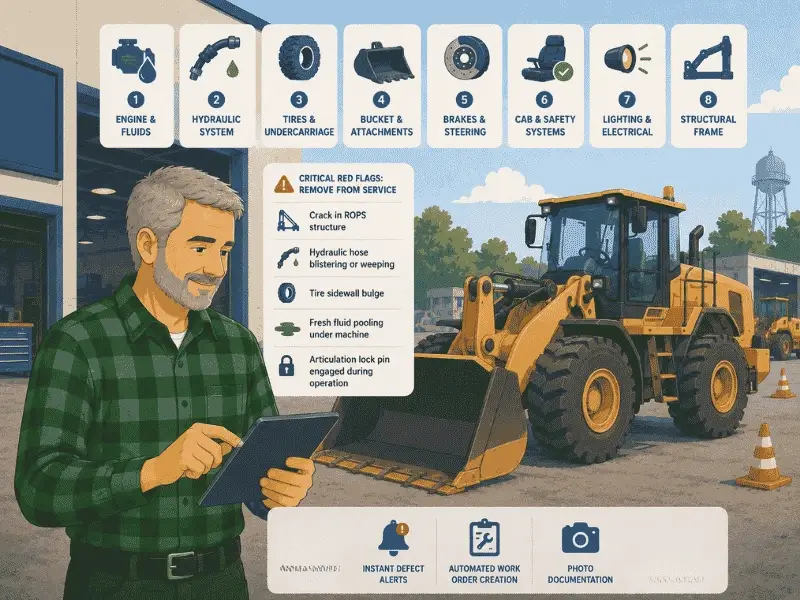
Start with the basics: walkaround inspections and scheduled diagnostics. These should be routine and consistent. By using a checklist, you can catch potential issues early—like low fluid levels, tire damage, or unusual sounds—that may otherwise go unnoticed.
Schedule inspections based on vehicle usage, not just time. A high-mileage van will need more frequent checks than one used sparingly.
Implement Preventive Maintenance (PM)
Preventive maintenance is proactive rather than reactive. Instead of waiting for a breakdown, you replace or service parts at recommended intervals. This could be every 10,000 km for a van’s oil change or every 6 months for a brake inspection.
Using preventive maintenance software ensures nothing falls through the cracks. It logs maintenance history and automatically schedules upcoming tasks, so your team doesn’t have to guess.
Embrace Equipment Monitoring
Thanks to the rise of telematics and smart fleet sensors, it’s now possible to monitor the health of your vehicles in real time. From engine diagnostics to battery life and fuel efficiency, data gives you the ability to detect issues before they cause failure.
Combine this with predictive maintenance, where you use this real-time data to predict failures before they happen. The result? Even fewer surprises on the road.
Download our free Vehicle Maintenance Checklist
Prevent costly breakdowns and maximize uptime with our free checklist.
Download
Train and Communicate with Your Team
Even the best maintenance plan fails without team buy-in. Drivers are your first line of defense—they interact with vehicles daily. Make sure they know how to report issues, what signs to look for, and when to escalate problems.
Also, communicate openly with your technicians, fleet managers, and planners. Everyone should be aligned on maintenance goals and procedures. This creates a culture of accountability and helps identify inefficiencies in your current process.
Continuously Improve Your Maintenance Strategy
No fleet is static. Routes change, vehicles age, and technology evolves. That means your maintenance plan should, too. Regularly review your KPIs—like downtime hours, repair costs, or service delays—and adjust your strategy accordingly.
Encourage feedback from your team to uncover pain points. Maybe technicians need more lead time on complex jobs. Maybe drivers feel some service intervals are too frequent. These insights will help refine your process over time.
Use Maintenance Scheduling Software
Manual maintenance tracking (via spreadsheets or paper logs) is no longer enough. A computerized maintenance management system (CMMS), like Simply Fleet, makes scheduling smarter and easier.
Here’s what good fleet maintenance software should offer:
- Automated scheduling of routine maintenance
- Service reminders via email or app
- Real-time vehicle data integration
- Comprehensive service logs for every vehicle
- Mobile access for technicians and drivers
- Reporting tools for downtime, cost, and asset performance
This kind of system ensures nothing is forgotten and everyone is informed.
Why Fleet Maintenance Software is Essential for Scheduling
Fleet operations today are too complex to manage manually. With various vehicles, service intervals, parts tracking, and compliance paperwork, software becomes your command center.
Modern CMMS platforms go beyond just scheduling. They provide:
- Centralised dashboards
- Instant alerts
- Mobile checklists
- Predictive analytics
- Inventory and work order management
Using software turns your maintenance team from a reactive crew into a proactive powerhouse.
Build Smarter Maintenance into Your Fleet Strategy
Maintenance scheduling isn’t just about keeping vehicles running—it’s about keeping your business running smoothly. When done right, it delivers reliability, safety, efficiency, and long-term cost savings.
Whether you’re managing five vans or 500, implementing a structured maintenance schedule, backed by the right software, will help future-proof your fleet operations.
Now’s the time to stop firefighting breakdowns and start strategically managing your fleet’s health. Simply Fleet's intuitive maintenance software lets you schedule, track, and manage all your fleet maintenance in one place. Get real-time alerts, automated reminders, and detailed reports. Start today and discover how maintenance can drive business success.