



Preventive Maintenance Checklist for Excavators: What to Check and When
Key Takeaways
- Managing inspections across multiple locations requires centralization
- Standardized checklists ensure consistent safety standards
- Digital inspections eliminate delays and lost paperwork
- Clear accountability improves compliance
- Automated schedules prevent missed inspections
- Dashboards provide real-time visibility across locations
Managing fleet inspections is challenging enough at one location. When vehicles are spread across cities, states, or regions, the complexity multiplies. Different teams, inconsistent inspection habits, delayed reporting, and lack of visibility often lead to missed inspections, compliance risks, and preventable breakdowns.
For growing fleets, multi-location inspections cannot rely on spreadsheets, emails, or paper checklists. They require structure, standardization, and real-time oversight. This guide explains how fleet managers can manage inspections across multiple locations efficiently without adding administrative burden or sacrificing safety.
Why Multi-Location Fleet Inspections Are So Hard to Manage
Before fixing the problem, it is important to understand where things usually break down.
- Inspections completed inconsistently across locations
- Paper or offline inspection reports submitted late
- No central visibility into inspection status
- Different inspection standards followed by different teams
- Delays in addressing reported defects
- Difficulty proving compliance during audits
These issues are not caused by poor intent. They happen because inspection processes do not scale naturally as fleets expand.
Ways to Manage Fleet Inspections Across Multiple Locations
Managing fleet inspections across multiple locations can quickly become difficult without clear systems in place. Different teams, locations, and schedules often lead to inconsistent inspections and missed issues.
The following strategies focus on standardization, visibility, and accountability to ensure inspections stay accurate and on time across the entire fleet.
Centralize All Fleet Inspections in One System
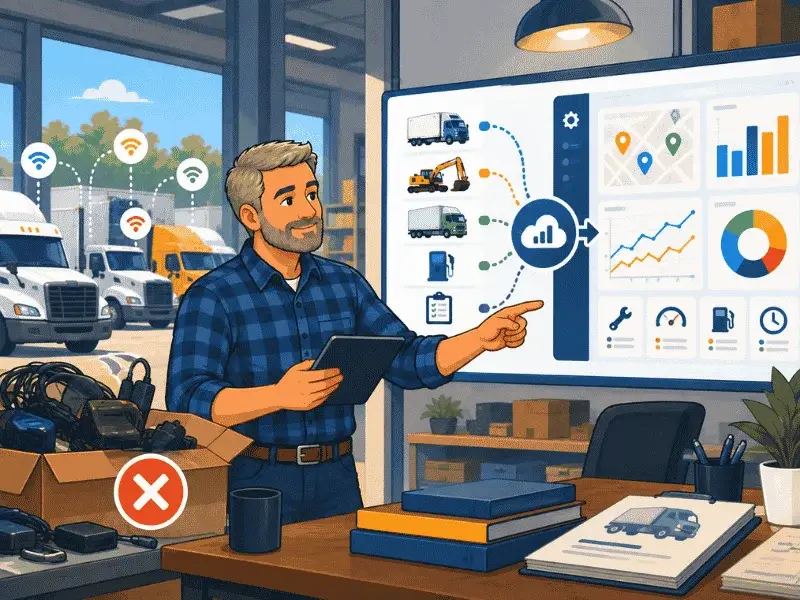
The foundation of managing inspections across multiple locations is centralization.
When inspection data lives in emails, paper folders, or local spreadsheets, fleet managers cannot see what is happening in real time. Centralization ensures every inspection, defect, and corrective action is stored in one place.
What to Centralize
- Inspection checklists
- Completed inspection reports
- Vehicle inspection history
- Defect photos and notes
- Follow-up actions and repairs
With a centralized system, managers gain instant visibility across all locations without calling or emailing each site.
Standardize Inspection Checklists Across All Locations
In multi-location fleets, inconsistency is the biggest risk.
When each location uses its own checklist, inspection quality varies. One team may check brakes thoroughly while another skips them entirely. This creates uneven safety standards and increases liability.
Best Practices for Standardized Inspections:
- Use uniform inspection templates for similar vehicle types
- Define mandatory inspection items that cannot be skipped
- Keep checklists simple and role-specific (driver vs technician)
- Update checklists centrally so changes apply everywhere
Standardization ensures every vehicle is inspected to the same standard, regardless of where it operates.
Digitize Inspections to Eliminate Delays and Errors
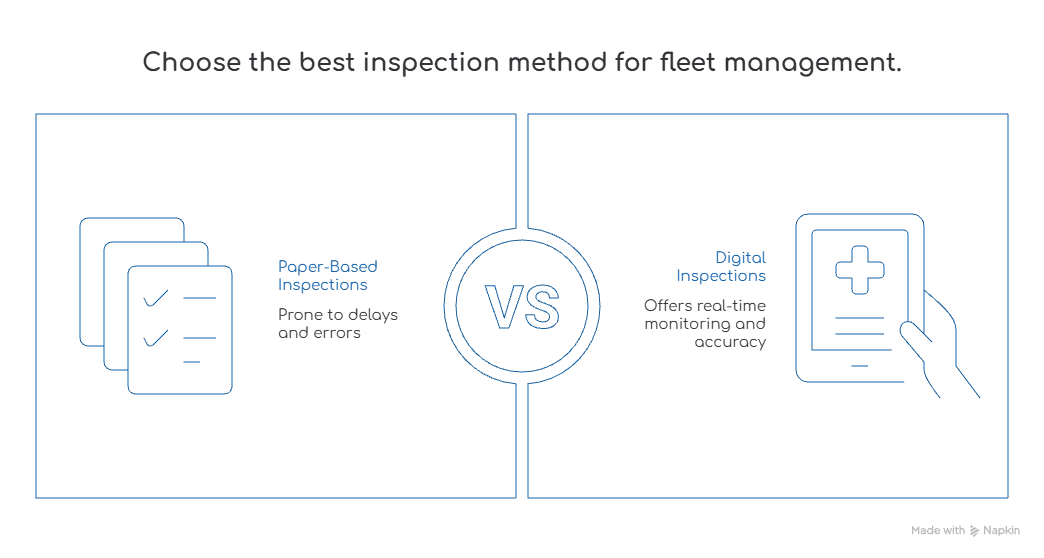
Paper inspections are one of the biggest obstacles to multi-location visibility.
Problems With Paper-Based Inspections
- Forms get lost or damaged
- Data entry is delayed or skipped
- Managers cannot see issues until it is too late
- No proof of inspection timing or location
Benefits of Digital Inspections
- Inspections submitted instantly from the field
- Photos and comments added on the spot
- Time stamps and vehicle data recorded automatically
- No manual data entry required
Digital inspections allow fleet managers to monitor compliance in real time instead of reacting days or weeks later.
Assign Clear Roles and Accountability
Technology alone cannot fix inspection gaps. Clear ownership is essential.
Define Who Is Responsible
Each inspection task should have a clearly defined owner:
- Drivers: daily walk-around or pre-trip inspections
- Technicians: scheduled preventive inspections
- Supervisors: review and follow-up on defects
Track Accountability Across Locations
- Monitor inspection completion rates by location
- Identify teams that consistently miss inspections
- Provide targeted training or corrective action
When accountability is visible, inspection compliance improves naturally.
Download Our Free Fleet Inspection Resources Now!
Prevent costly breakdowns and maximize uptime with our free checklist.
Download
Automate Inspection Schedules and Reminders
Manual scheduling does not work at scale.
Automated inspection scheduling ensures no vehicle is forgotten, even when fleets grow or routes change.
Common Scheduling Triggers
- Daily or weekly inspections
- Mileage-based inspections
- Engine-hour-based inspections
- Regulatory inspection intervals
Automatic reminders reduce reliance on memory and ensure inspections happen on time across every location.
Use Dashboards for Real-Time Visibility Across Locations
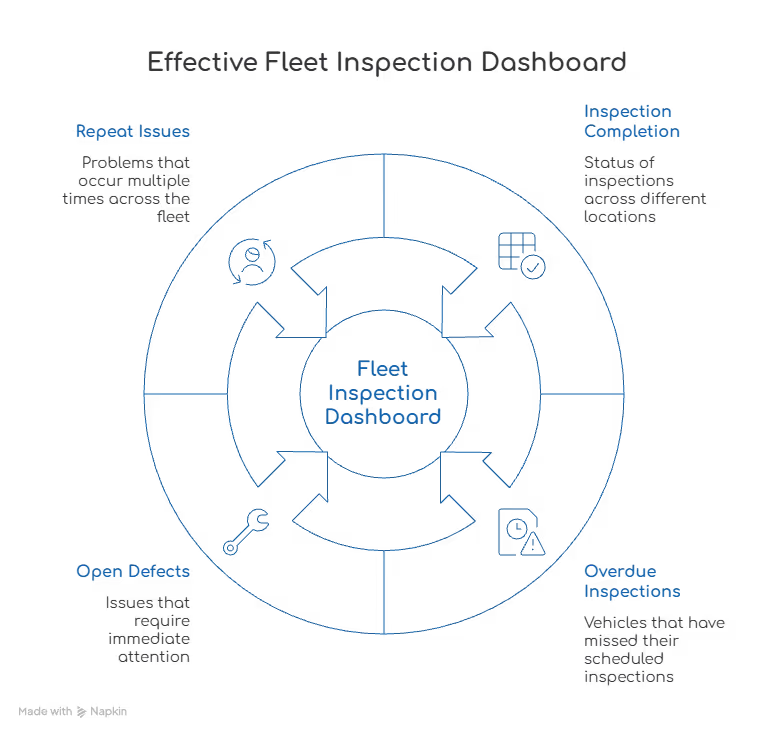
Fleet managers cannot manage what they cannot see.
What an Effective Inspection Dashboard Shows
- Inspection completion status by location
- Vehicles overdue for inspection
- Open defects requiring attention
- Repeat issues across the fleet
Dashboards allow managers to identify patterns, such as locations with higher defect rates or delayed inspections.
Ensure Defects Are Tracked Until Closure
Finding issues is only half the job. Fixing them is what improves safety and uptime.
In many fleets, defects are reported but never followed up. This leads to recurring breakdowns and safety risks.
Effective Defect Management Includes
- Automatic creation of repair tasks from failed inspections
- Clear assignment of responsibility
- Status tracking (open, in progress, resolved)
- Proof of repair before closing the issue
This closed-loop process ensures inspections lead to real outcomes, not just paperwork.
Support Distributed Teams With Consistent Training
Inspection quality depends heavily on people.
Different locations often interpret inspection requirements differently. Training aligns expectations and execution.
Training Best Practices
- Use the same inspection guidelines across locations
- Provide short, practical training sessions
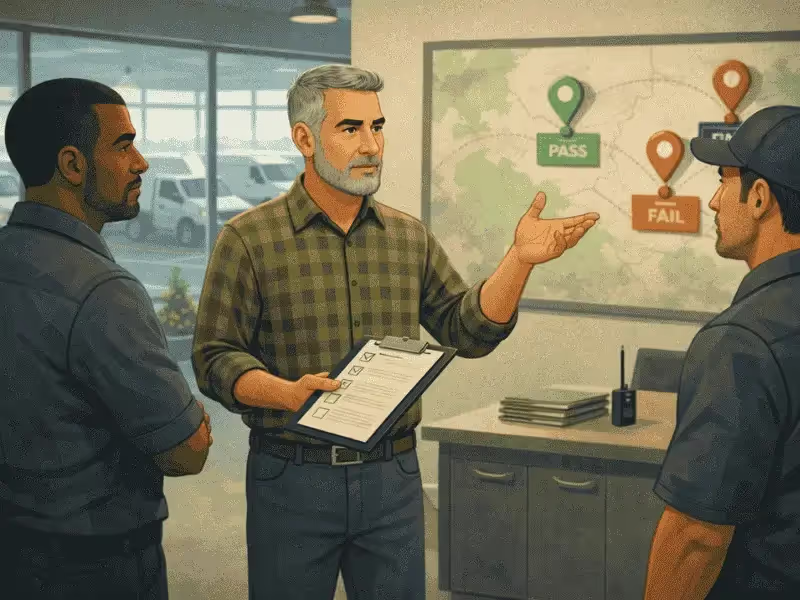
- Reinforce what “pass” and “fail” actually mean
- Share examples of common missed issues
Consistent training reduces variation and improves inspection reliability.
Use Data to Improve Inspection Strategy Over Time
Inspection data is a powerful optimization tool.
Insights You Can Gain From Inspection Data
- Vehicles with recurring defects
- Locations with higher failure rates
- Inspection items most often missed
- Early signs of component failure
By analyzing inspection trends, fleet managers can move from reactive maintenance to predictive planning.
Key Differences Between Manual and Centralized Inspection Management
Final Thoughts
Fleet inspections across multiple locations do not fail because managers lack effort. They fail because manual processes cannot scale with growth. Centralized systems, standardized workflows, and real-time visibility turn inspections from an administrative burden into a proactive safety and maintenance tool.
If managing fleet inspections across multiple locations feels overwhelming, Simply Fleet helps centralize inspections, standardize processes, and gain real-time visibility across your entire fleet from one platform.