





Why the Class 8 Pre-Buy Window is Closed and How to Pivot
Key Takeaways
- Heavy rain increases brake wear, corrosion, and electrical issues.
- Winter weather strains batteries, fluids, tires, and fuel systems.
- Seasonal maintenance planning reduces downtime and repair costs.
- Fleet management software helps automate inspections and track vehicle health.
- Weather-aware maintenance improves safety and vehicle lifespan.
Seasonal weather plays a bigger role in fleet performance than many operators realize. In the United States, fleets face two major seasonal challenges every year: prolonged periods of heavy rain and harsh winter conditions. Each season creates its own set of risks ranging from corrosion and brake wear to battery failure and road safety issues.
For fleet managers, understanding how these seasonal changes impact vehicles is critical. Maintenance strategies that work in dry summer months often fall short when roads are flooded or temperatures drop below freezing. This is where proactive, season-aware fleet maintenance becomes essential.
This guide breaks down how rainy conditions and winter weather impact fleet maintenance, what fleet managers should watch out for, and how modern fleet management software can help teams stay ahead.
Understanding Seasonal Weather Challenges in the U.S.
The U.S. experiences diverse weather patterns depending on region. Southern and coastal states deal with heavy rainfall, storms, and flooding, while northern and midwestern states face snow, ice, and extreme cold. Fleets operating nationally often experience both conditions within the same year.
These seasonal shifts directly affect:
- Vehicle reliability
- Maintenance schedules
- Safety risks
- Operating costs
- Compliance and inspection readiness
Ignoring seasonal impact often leads to unexpected breakdowns, higher repair bills, and increased downtime.
How Heavy Rain Impacts Fleet Maintenance
.avif)
Prolonged rain and wet road conditions put constant stress on vehicles, especially those operating daily or over long distances.
Increased Brake Wear and Reduced Traction
Wet roads reduce tire grip and increase stopping distances. Drivers rely more heavily on brakes, which leads to:
- Faster brake pad and rotor wear
- Increased brake system heat and stress
- Higher risk of brake failure if inspections are delayed
Tires with worn tread are especially dangerous in wet conditions, increasing the risk of hydroplaning.
Corrosion and Rust Exposure
Moisture is one of the biggest long-term threats to fleet vehicles. Continuous exposure to water accelerates corrosion in:
- Undercarriage and chassis
- Brake lines and fasteners
- Suspension components
Over time, rust weakens structural integrity and increases replacement costs.
Electrical and Sensor Issues
Modern fleets rely heavily on electronics, sensors, and telematics devices. Heavy rain can cause:
- Moisture intrusion in wiring harnesses
- Sensor malfunctions
- Inconsistent telematics data
Electrical issues are often difficult to diagnose and can lead to repeated downtime if not addressed early.
Flooded Roads and Hidden Damage
Driving through standing water or flooded roads can cause serious damage, including:
- Water entering engine components
- Transmission contamination
- Long-term electrical failures
Even if a vehicle appears functional after flooding, internal damage may surface weeks later.
Download Our Free Fleet Maintenance Resources Now!
Prevent costly breakdowns and maximize uptime with our free checklist.
Download
How Winter Weather Impacts Fleet Maintenance
Winter introduces a completely different set of mechanical and operational challenges, particularly in northern and central U.S. states.
Battery and Cold-Start Failures
Cold temperatures significantly reduce battery performance. During winter:
- Batteries lose charge faster
- Cold starts strain starters and alternators
- Weak batteries fail without warning
Battery-related breakdowns are one of the most common winter fleet issues.
Fluids, Hoses, and Engine Stress
Low temperatures thicken engine oil and other fluids, which:
- Increases wear during cold starts
- Reduces lubrication efficiency
- Puts stress on hoses and belts
Rubber components also become brittle, increasing the chance of cracking and leaks.
Tires, Ice, and Traction Challenges
Winter roads demand better traction. Fleets face:
- Reduced tire pressure in cold weather
- Increased wear from snow and ice
- Greater accident risk on icy or slushy roads
Improper tire management during winter directly impacts safety and insurance costs.
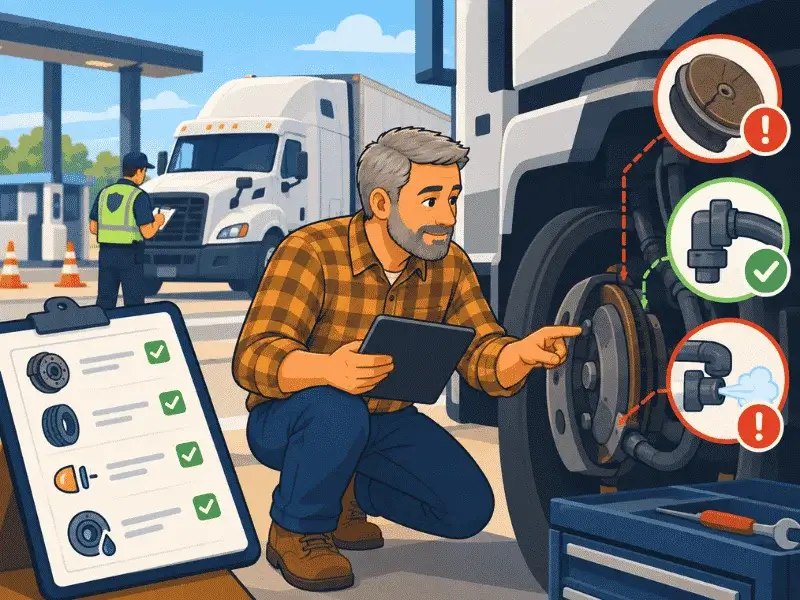
Air Brake and Fuel System Problems
For heavy-duty fleets:
- Moisture in air brake lines can freeze, blocking airflow
- Diesel fuel can gel in extreme cold, causing engine failure
Both issues can lead to roadside breakdowns if not proactively managed.
Key Differences Between Rainy and Winter Conditions
This comparison highlights why a single, static maintenance plan rarely works year-round.
Using Fleet Management Software to Handle Seasonal Impact
Modern fleet management software plays a critical role in managing weather-related maintenance challenges.
Preventive Maintenance Scheduling
Software-driven maintenance schedules can:
- Increase vehicle inspection frequency during high-risk seasons
- Trigger brake, tire, and battery checks automatically
- Reduce reliance on manual tracking
Real-Time Vehicle Health Monitoring
Telematics data helps fleet managers:
- Detect early warning signs of battery or brake issues
- Monitor tire pressure changes due to temperature shifts
- Identify vehicles exposed to flooding or extreme cold
Weather-Aware Planning
By integrating weather awareness into operations, fleets can:
- Adjust routes during heavy rain or snowstorms
- Reduce exposure to high-risk road conditions
- Improve driver safety and on-time delivery rates
Standardized Inspections Across Regions
Digital inspection workflows ensure:
- Consistent checks regardless of location
- Faster identification of seasonal wear patterns
- Better compliance and audit readiness
The Bigger Picture: Cost, Safety, and Reliability
Seasonal weather is unavoidable, but the impact it has on fleet operations is controllable. Fleets that rely on reactive maintenance often struggle during peak weather conditions. Those that use data, planning, and automation are far better equipped to handle seasonal stress.
Seasonal weather doesn’t have to disrupt fleet operations. Simply Fleet helps fleet managers plan maintenance smarter, track vehicle health in real time, and stay prepared for both heavy rain and winter conditions. Explore how Simply Fleet can help your fleet stay road-ready all year long.