




Keeping Up with the Industry: Fleet Forward Conference 2026
Key Takeaways
- A structured vendor and invoice process helps fleets reduce errors, control costs, and avoid payment disputes.
- Vendor onboarding with clear documentation and payment terms sets the foundation for smooth operations.
- Purchase orders and service verification ensure only approved and completed work is invoiced.
- A standardized invoice approval and payment workflow improves transparency and accountability.
- Digital fleet tools make vendor tracking, invoice management, and cost reporting faster and more reliable.
Managing vendors and invoices is one of the most overlooked yet cost-critical aspects of fleet operations. Fuel suppliers, maintenance workshops, tire vendors, spare parts dealers, toll providers - every fleet depends on multiple vendors to keep vehicles running.
Without a structured vendor and invoice process, fleets often face delayed payments, billing disputes, duplicate invoices, compliance issues, and poor cost visibility.
This practical guide explains how fleet operators can design a clear, scalable vendor and invoice workflow that saves time, reduces errors, and improves financial control.
Why Vendor and Invoice Management Matters in Fleet Operations
Fleet expenses are recurring, high-volume, and vendor-dependent. Even small inefficiencies multiply quickly across vehicles and months.
Poor vendor and invoice processes can lead to:
- Overpayments or duplicate payments
- Delayed vehicle repairs due to vendor disputes
- Inaccurate cost allocation per vehicle
- Audit and compliance risks
- Strained vendor relationships
A well-defined process ensures transparency, accountability, and predictable cash flow.
Steps for Vendor and Invoice Process for Fleets
Managing vendors and invoices in fleet operations requires more than ad-hoc approvals and scattered records. A well-defined step-by-step process helps fleet managers maintain cost control, avoid payment disputes, and ensure that every service or purchase is properly authorized and accounted for.
The following steps outline a practical vendor and invoice workflow that fleet teams can adopt to bring consistency, transparency, and efficiency into their day-to-day operations.
Step 1: Vendor Onboarding – Building a Strong Foundation
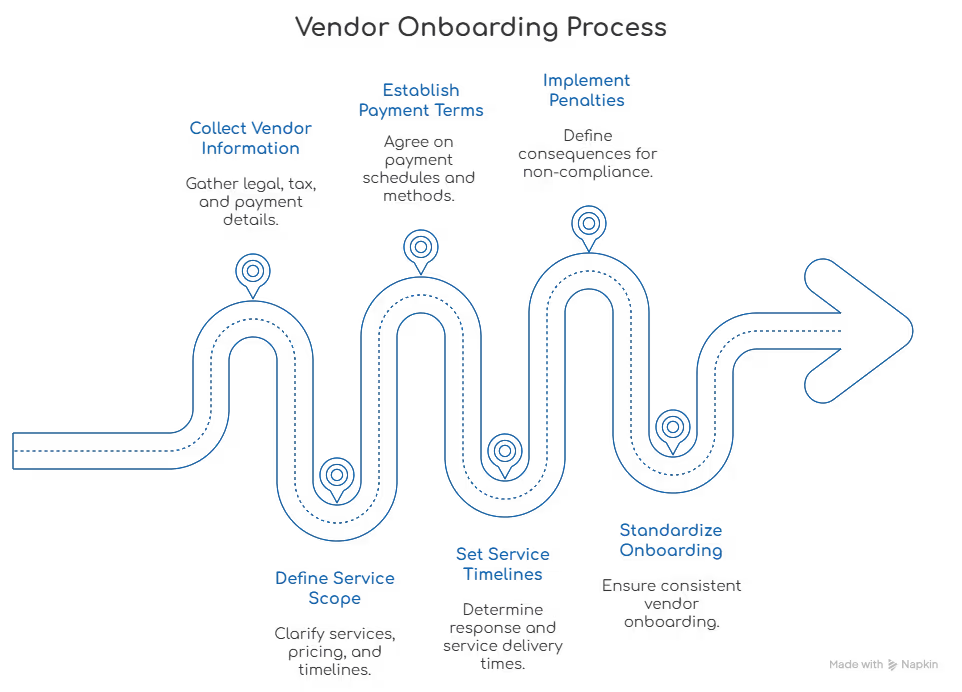
Vendor onboarding is the process of formally registering a supplier so they can provide services and be paid correctly.
Key Vendors in Fleet Operations
- Fuel suppliers
- Vehicle maintenance and repair workshops
- Tire and battery vendors
- Parts suppliers
- Towing and roadside assistance providers
- Insurance and inspection agencies
Essential Information to Collect During Onboarding
Before any transaction begins, collect and verify:
- Legal business name and registration details
- Tax identification details
- Bank account and payment information
- Contact person and escalation details
- Insurance coverage, where applicable
Define Service Scope and Commercial Terms
Clear documentation avoids future disputes. Ensure the following are agreed upon:
- Services offered
- Pricing structure or rate cards
- Payment terms (Net 15, Net 30, milestone-based)
- Service timelines and response times
- Penalties or escalation mechanisms
A standardized onboarding checklist ensures every vendor is treated consistently.
Step 2: Purchase Orders and Work Authorization
Before any service is performed or parts are supplied, the fleet team should issue formal authorization.
Why Purchase Orders Matter
Purchase Orders (POs) create a financial and operational reference point. They help ensure:
- Work is pre-approved
- Prices are agreed in advance
- Unauthorized expenses are avoided
What a Fleet Purchase Order Should Include
- Vendor name
- Vehicle or asset ID
- Description of service or parts
- Agreed cost
- PO number and validity period
For emergency repairs, a simplified approval workflow can be used, but documentation should still follow afterward.
Step 3: Service Delivery and Verification
Once work is completed or goods are delivered, verification is critical.
Verification Best Practices
- Confirm service completion against the PO
- Check replaced parts or repair quality
- Record odometer readings and service date
- Link work to the correct vehicle or asset
This step ensures that invoices reflect actual work performed.
Step 4: Vendor Invoice Processing Workflow
Invoice processing is where most errors and delays occur. A structured workflow reduces manual effort and disputes.
Typical Fleet Invoice Processing Steps
- Invoice receipt
- Invoice recording
- Matching and verification
- Approval
- Payment scheduling
- Archiving and reporting
Invoice Receipt Channels
Invoices may arrive via:
- Vendor portals
- Physical copies
- Integrated systems
Centralizing invoice intake prevents invoices from being lost or duplicated.
Invoice Verification and Matching
The most reliable approach is three-way matching:
- Purchase Order
- Service confirmation or delivery note
- Vendor invoice
What to Verify
- Vendor name and invoice number
- Service date and vehicle ID
- Line-item charges
- Taxes and additional fees
- Payment terms
Common Invoice Issues in Fleet Operations
- Duplicate invoices
- Incorrect vehicle assignment
- Charges exceeding agreed rates
- Missing PO references
- Tax calculation errors
Early detection avoids delayed payments and vendor frustration.
Invoice Approval Workflow
Invoices should pass through defined approval layers.
Typical Approval Roles
- Fleet manager: verifies service quality and necessity
- Finance team: validates cost, tax, and compliance
- Management approval for high-value invoices
Automated approval workflows significantly reduce turnaround time.
Download Our Free Fleet Management Resources Now!
Prevent costly breakdowns and maximize uptime with our free checklist.
Download
Step 5: Payment Scheduling and Execution
Once approved, invoices should be paid according to agreed terms.
Payment Best Practices
- Stick to negotiated payment cycles
- Avoid last-minute approvals
- Track upcoming payment deadlines
- Use digital payment methods for traceability
On-time payments strengthen vendor relationships and ensure priority service.
Step 6: Archiving, Audits, and Reporting
Invoices are data assets. Invoices should be searchable by:
- Vendor
- Vehicle
- Date
- Expense category
Expense Categorization for Better Cost Control
Categorizing invoices enables meaningful reporting.
Common Fleet Expense Categories
- Fuel
- Preventive maintenance
- Repairs
- Tires and batteries
- Insurance
- Tolls and permits
This allows fleet managers to identify cost trends and inefficiencies.
Vendor Performance Monitoring
Vendor management does not end with payment.
Metrics to Track
- Service turnaround time
- Invoice accuracy
- Cost consistency
- Frequency of disputes
- Vehicle downtime linked to vendor
Regular reviews help renegotiate contracts or replace underperforming vendors.
Manual vs Digital Vendor and Invoice Management
Digital systems reduce errors, save time, and improve financial transparency.
Best Practices for Optimizing Fleet Vendor and Invoice Processes
- Standardize vendor onboarding documents
- Enforce PO-based purchasing
- Centralize invoice intake
- Automate approvals where possible
- Categorize expenses consistently
- Review vendor performance quarterly
- Link every cost to a vehicle or asset
Small process improvements lead to significant long-term savings.
Simplify Vendor and Invoice Tracking with Simply Fleet
Managing vendors, invoices, vehicles, and tools separately leads to data gaps and inefficiencies.
Simply Fleet’s Assets and Tool Tracking helps fleet teams:
- Link vendor costs to specific vehicles and assets
- Track maintenance, repairs, and tools in one system
- Improve cost visibility across the entire fleet
- Reduce manual tracking and invoice errors
If your fleet is growing, it is time to move from spreadsheets to a smarter, centralized system. Explore Simply Fleet’s Assets and Tool Tracking today.