



A Practical Guide to Preventing OOS Violations and Maintenance Failures
Key Takeaways
- Traditional fleet logs are manual and error-prone
- Digital inspection reports improve accuracy and consistency
- Real-time visibility helps prevent breakdowns
- Compliance becomes easier and faster
- Digital inspections reduce long-term costs
- Scalable systems support growing fleets
Fleet inspections are one of those operational tasks that rarely get attention until something goes wrong. A missed defect, a failed audit, or an unexpected breakdown often reveals weaknesses in how inspections are recorded and managed. For many fleets, the real issue is not whether inspections are performed, but how they are documented and used afterward.
For decades, traditional fleet logs served as the standard method for recording inspections. Today, digital inspection reports are increasingly replacing paper-based systems. This shift is not just about convenience or technology, it reflects a deeper change in how fleets manage risk, costs, and performance.
This article compares traditional fleet logs and digital inspection reports in a practical, operational context to help fleet managers understand which approach truly supports modern fleet operations.
What Are Traditional Fleet Logs?
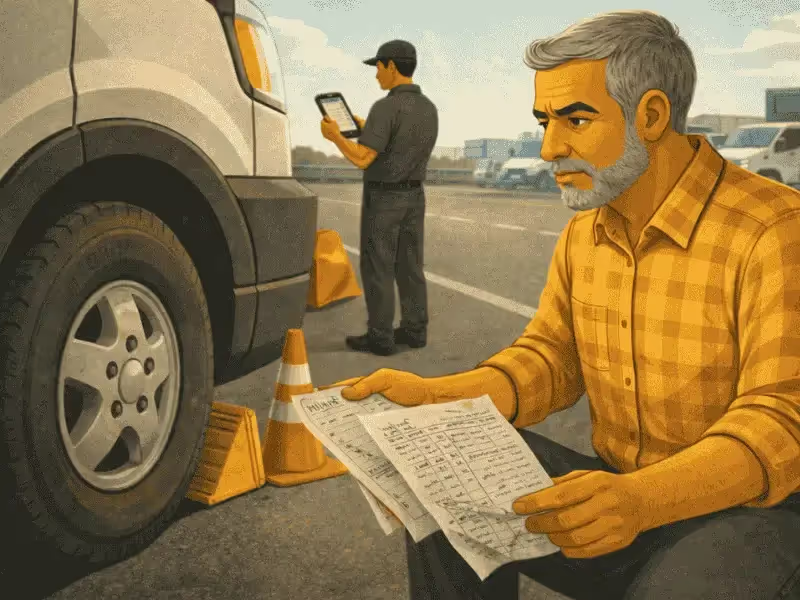
Traditional fleet logs refer to manual methods of recording vehicle inspections, typically using paper forms, logbooks, or basic spreadsheets. Drivers or technicians complete these logs during daily or periodic inspections and submit them to supervisors or office staff for review.
In many fleets, these logs include handwritten notes on vehicle condition, mileage readings, defect descriptions, and maintenance observations. The process relies heavily on individual discipline and follow-through. Once completed, records are physically stored or scanned and filed for future reference.
While traditional fleet logs have the advantage of familiarity and low upfront cost, they are inherently reactive. Inspection data often becomes available only after delays, making it difficult to act quickly or identify recurring problems. As fleets grow or regulatory pressure increases, these limitations become more pronounced.
What Are Digital Inspection Reports?
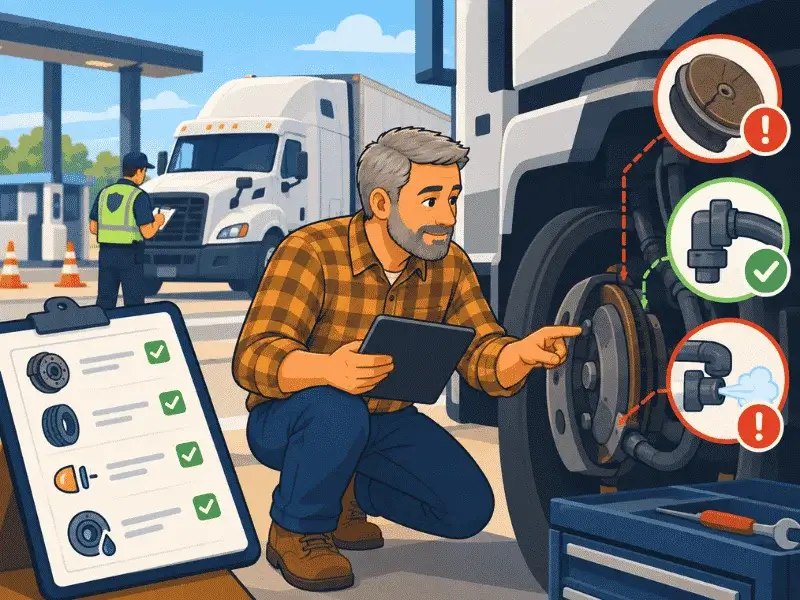
Digital inspection reports replace manual logs with software-driven inspection tools accessed through mobile devices or web platforms. Drivers and technicians complete inspections using structured digital checklists designed specifically for the fleet’s vehicles and compliance requirements.
These inspections are submitted instantly, along with supporting data such as photos, timestamps, and location details. Managers can review results in real time through centralized dashboards, rather than waiting for paperwork to be collected and processed.
Unlike traditional logs, digital inspection reports are built to generate usable data. They allow fleets to track inspection trends, identify high-risk vehicles, and integrate inspection results directly into maintenance workflows. This turns inspections from a recordkeeping task into an operational control mechanism.
Traditional Fleet Logs vs Digital Inspection Reports: Key Differences
The difference between traditional fleet logs and digital inspection reports becomes most apparent when viewed through an operational lens. While both aim to document vehicle conditions, the way they capture, process, and use information varies significantly.
The table below summarizes the core differences before examining each aspect in more detail.
Data Accuracy and Consistency
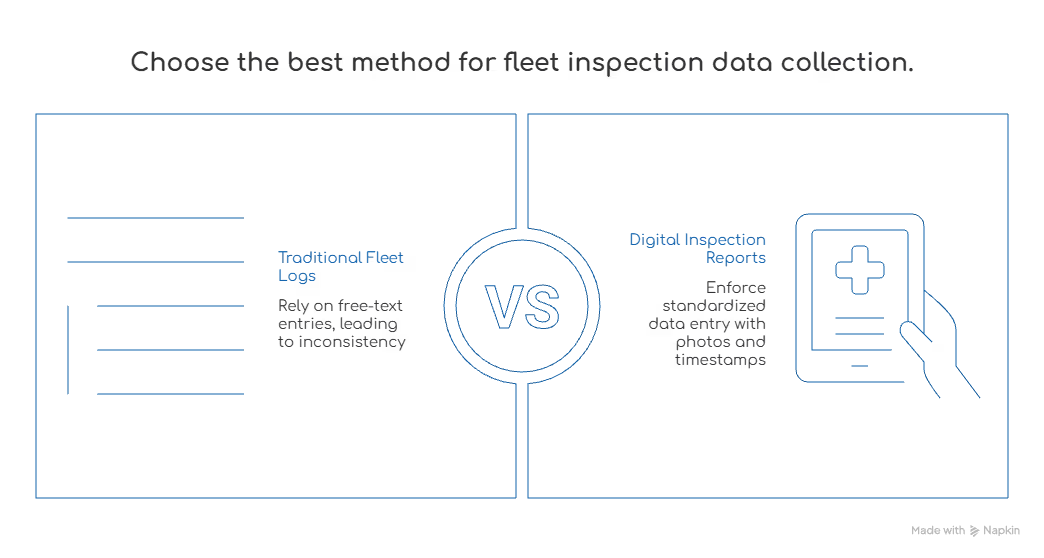
Traditional fleet logs depend on free-text entries, which often vary from one driver to another. Descriptions can be vague, incomplete, or interpreted differently by each person reviewing them. Over time, this inconsistency reduces the reliability of inspection data.
Digital inspection reports enforce standardized data entry. Required fields ensure inspections are completed fully, while predefined options reduce ambiguity. Photos and timestamps provide clarity that handwritten notes cannot. As a result, inspection data becomes consistent and dependable across the entire fleet.
Operational Speed and Responsiveness
With traditional logs, inspections may be completed on time, but the information often reaches decision-makers too late. Paper forms must be collected, reviewed, and interpreted before any action is taken, which slows down maintenance response.
Digital inspection reports eliminate this delay. Issues are visible as soon as inspections are submitted, allowing managers to prioritize repairs immediately. Faster response reduces downtime and prevents minor defects from escalating into costly failures.
Download Our Free Inspections Checklist Now!
Prevent costly breakdowns and maximize uptime with our free checklist.
Download
Compliance and Audit Readiness
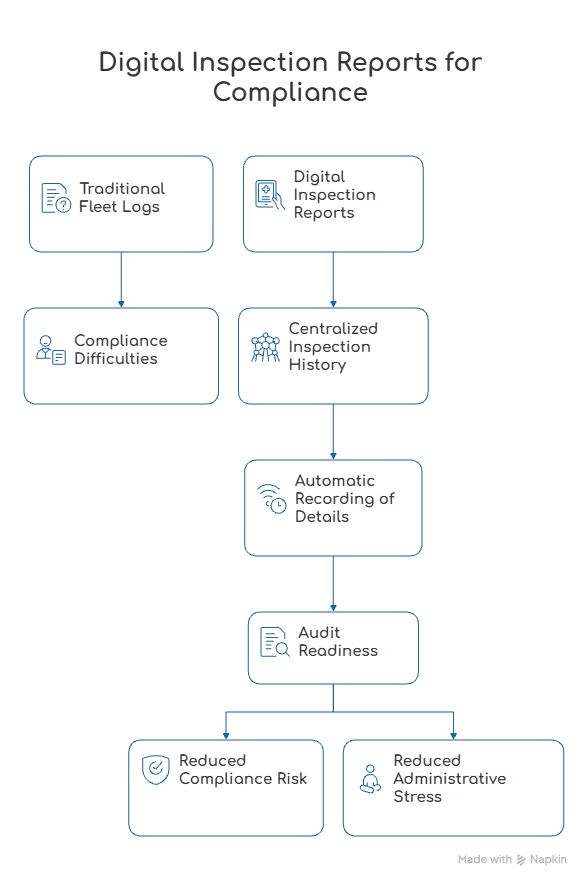
Compliance relies on accurate, complete, and accessible inspection records. Traditional fleet logs make compliance more difficult because records are scattered, inconsistently formatted, and vulnerable to loss or damage.
Digital inspection reports centralize inspection history and automatically record critical details such as time and location. When audits occur, reports can be generated instantly without scrambling for paperwork. This significantly reduces compliance risk and administrative stress.
Visibility and Fleet-Wide Insights
Traditional logs provide limited visibility into fleet health. Fleet managers often review inspections individually rather than seeing patterns across vehicles, locations, or time periods.
Digital inspection systems offer real-time dashboards and historical analysis. Managers can quickly identify recurring defects, high-risk vehicles, or inspection trends. This visibility supports preventive maintenance strategies instead of reactive fixes.
Cost and Long-Term Financial Impact
While traditional fleet logs appear inexpensive, their true cost is hidden in administrative labor, delayed repairs, increased downtime, and higher repair expenses due to missed issues.
Digital inspection reports reduce these indirect costs by streamlining workflows, improving maintenance timing, and extending vehicle lifespan. Over time, the operational savings typically outweigh the initial investment in digital tools.
Scalability and Future Readiness
Traditional logs become harder to manage as fleets grow. More vehicles mean more paperwork, more errors, and more time spent organizing records.
Digital inspection systems scale easily. Adding vehicles, locations, or inspection types does not increase administrative complexity. This makes digital inspections better suited for fleets planning growth or operating across multiple locations.
Final Thoughts: Which Approach Supports Modern Fleets Better?
Traditional fleet logs served their purpose in simpler operational environments. However, modern fleets operate under tighter margins, stricter regulations, and higher expectations for uptime and safety. In this context, manual inspection processes struggle to keep up.
Digital inspection reports offer more than convenience. They provide accuracy, visibility, compliance readiness, and operational control.
If fleet inspections are still managed through paper logs or spreadsheets, valuable data is likely being lost along the way. Simply Fleet enables fleets to transition from traditional logs to digital inspection reports with real-time visibility, stronger compliance, and smarter maintenance decisions.
Discover how Simply Fleet can simplify inspections and help fleets operate with greater confidence and control.