




A new kind of fleet intelligence: Meet Simply Fleet AI Insights
Key Takeaways
- Preventive maintenance alone does not eliminate breakdowns
- Time-based schedules miss real-world wear and stress
- Driver feedback is an underused early warning system
- Low-quality parts and aging vehicles increase failure risk
- Electrical issues are a leading hidden cause of breakdowns
- Data-driven maintenance reduces unexpected failures
Preventive maintenance is supposed to reduce breakdowns, extend vehicle life, and control fleet costs. Yet many fleet managers face a frustrating reality: vehicles still break down unexpectedly, even when maintenance schedules are followed.
The problem is not that preventive maintenance is ineffective. The real issue lies in hidden gaps, assumptions, and operational blind spots that traditional maintenance programs fail to address.
This article explores the less obvious reasons fleet vehicles break down despite preventive maintenance and explains how fleet managers can close those gaps using smarter, data-driven strategies.
Why Preventive Maintenance Alone Is Not Enough
Preventive maintenance focuses on servicing vehicles at fixed time or mileage intervals. While this approach is essential, it often assumes that:
- Vehicles operate under predictable conditions
- All wear progresses at the same pace
- Maintenance checks capture every developing issue
10 Hidden Reasons Vehicles Break Down Even With Preventive Maintenance in Fleets
In real fleet operations, none of these assumptions hold true. Vehicles face varying loads, driving styles, environments, and usage patterns that accelerate wear in ways standard schedules cannot always detect.
1. Maintenance Is Scheduled, But Not Always Completed Properly
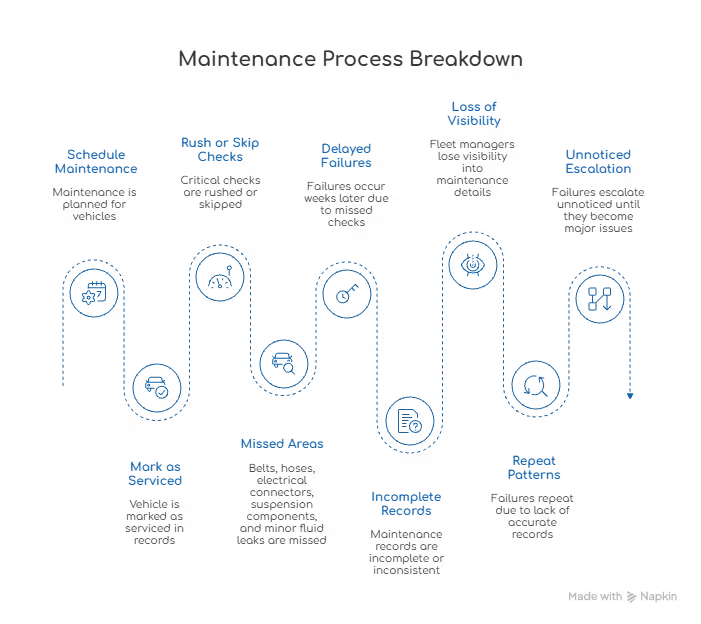
A vehicle may be marked as “serviced,” but critical checks can be rushed or skipped due to time pressure or workload.
Commonly missed areas include:
- Belts and hoses showing early cracking
- Electrical connectors and wiring
- Suspension components under stress
- Minor fluid leaks that worsen over time
These omissions do not cause immediate failure but often lead to breakdowns weeks later.
When maintenance records are incomplete or inconsistent, fleet managers lose visibility into:
- What was actually inspected
- Which parts were replaced
- Whether issues were deferred
Without accurate records, patterns repeat and failures go unnoticed until they escalate.
2. Over-Reliance on Time-Based Maintenance Schedules
Traditional preventive maintenance is built around mileage or calendar intervals. However, wear does not follow the calendar.
A lightly used vehicle may be over-serviced, while a heavily loaded or harshly driven vehicle may need attention far earlier than scheduled.
Why This Causes Breakdowns
- Components can fail between service intervals
- Rapid wear goes unnoticed until failure
- Maintenance becomes reactive rather than preventive
Condition-based and data-driven maintenance is far more effective in modern fleets.
3. Driver Feedback Is Ignored or Underutilized
Drivers are often the first to notice early warning signs:
- Unusual vibrations
- Loss of power
- New noises
- Dashboard alerts
However, in many fleets, this feedback:
- Is not formally recorded
- Does not trigger inspections
- Is dismissed unless failure occurs
Ignoring driver input removes one of the most valuable early detection systems in fleet operations.
4. Low-Quality Parts and Fluids Undermine Maintenance Efforts
Preventive maintenance only works when quality standards are maintained.
Using cheaper or non-OEM parts may reduce short-term costs but increases:
- Premature wear
- Repeat repairs
- Unexpected failures
The same applies to low-grade lubricants and fluids, especially in high-stress fleet vehicles.
A vehicle may pass inspection today but fail early because replacement parts do not meet performance requirements.
5. Aging Vehicles Hide Problems Maintenance Cannot Fix
As vehicles age, mechanical fatigue accumulates. Preventive maintenance can slow this process but cannot reverse it.
Common aging-related issues include:
- Metal fatigue in suspension and frames
- Electrical degradation
- Cooling system inefficiencies
- Increased oil consumption
Without proper lifecycle planning, fleets spend more on maintenance while experiencing more breakdowns.
6. Operational Conditions Accelerate Wear Faster Than Expected
Preventive maintenance schedules are often based on “normal” operating conditions. Real fleet conditions are rarely normal.
- Heavy payloads
- Stop-and-go urban driving
- Extreme heat or cold
- Rough roads
- Excessive idling
When schedules are not adjusted for these factors, components wear out faster than anticipated.
7. Electrical and Sensor Failures Are Often Overlooked
Modern fleet vehicles rely heavily on electronics:
- Sensors
- Wiring harnesses
- Control modules
- Battery and charging systems
Mechanical inspections alone often fail to detect:
- Intermittent electrical faults
- Weak batteries
- Failing alternators
- Sensor communication errors
These issues frequently cause sudden breakdowns with little warning.
Download Our Free Fleet Maintenance Resources Now!
Prevent costly breakdowns and maximize uptime with our free checklist.
Download
8. Reactive Repairs Replace Root-Cause Analysis
Many maintenance teams focus on fixing visible symptoms:
- Replacing failed parts
- Clearing fault codes
- Restoring functionality
Without investigating why a failure occurred, the same issue is likely to repeat.
True preventive maintenance requires root-cause analysis, not just repairs.
9. Lack of Maintenance Data Analysis
Fleet data holds valuable insights, but many fleets fail to use it effectively.
Without analysis, fleets miss:
- Repeated failures in specific models
- Components failing earlier than expected
- Maintenance tasks that do not prevent breakdowns
This results in repeating the same maintenance strategy while expecting different results.
Hidden Causes vs. Missed Maintenance Focus
10. Driver Behavior Directly Impacts Vehicle Health
Even perfectly maintained vehicles can fail due to poor driving habits.
Common driver behaviors that increase breakdown risk include:
- Aggressive acceleration and braking
- Ignoring warning lights
- Overloading vehicles
- Improper warm-up and shutdown
Preventive maintenance must be paired with driver awareness and accountability.
How Fleet Managers Can Reduce These Hidden Breakdowns
To truly prevent breakdowns, fleets need to go beyond basic schedules.
- Move from time-based to condition-based maintenance
- Capture and act on driver feedback
- Track maintenance history accurately
- Monitor vehicle health digitally
- Analyze breakdown patterns regularly
- Plan vehicle replacement strategically
Fleet management software plays a critical role in making this possible.
Unexpected breakdowns are not inevitable. They are often the result of hidden gaps in maintenance visibility, data, and execution.
Simply Fleet helps fleet managers move beyond basic preventive maintenance with real-time tracking, complete service history, driver reporting, and data-driven insights that prevent failures before they happen.
Take control of fleet reliability with Simply Fleet. Request a demo today.