



Why the Class 8 Pre-Buy Window is Closed and How to Pivot
Key Takeaways
- Create clear and documented fleet SOPs
- Use centralized fleet management software
- Standardize inspections and maintenance workflows
- Align KPIs across all teams
- Provide consistent training and onboarding
- Centralize policies and procurement
- Monitor compliance using data, not micromanagement
Managing fleet operations across multiple teams or locations often leads to inconsistency. Different inspection habits, varied maintenance practices, and scattered reporting methods make it harder to control costs, ensure safety, and scale operations smoothly.
Standardizing fleet operations creates a shared system that every team follows. When processes, tools, and expectations are aligned, fleet performance becomes predictable, measurable, and easier to manage. This article explains how fleet managers can standardize operations across teams in a practical, scalable way.
Why Standardizing Fleet Operations Is Critical
Before implementing processes, it is important to understand why standardization matters in fleet management. Without consistency, even well-managed fleets face inefficiencies that grow over time.
When teams follow different operational methods, fleet data becomes unreliable, maintenance becomes reactive, and accountability weakens. Standardization ensures that every vehicle, driver, and manager operates under the same framework, regardless of location.
Key Steps to Standardize Fleet Operations Across Teams
Standardizing fleet operations across teams requires a structured, step-by-step approach rather than ad hoc fixes. The goal is to create consistency without disrupting day-to-day work.
By aligning processes, tools, and accountability, fleet managers can ensure that every team operates under the same framework while still remaining efficient and adaptable.
Build Clear and Documented Fleet SOPs
Standard Operating Procedures (SOPs) are the backbone of standardized fleet operations. They define how tasks should be performed and remove ambiguity from daily operations.
What Fleet SOPs Should Cover
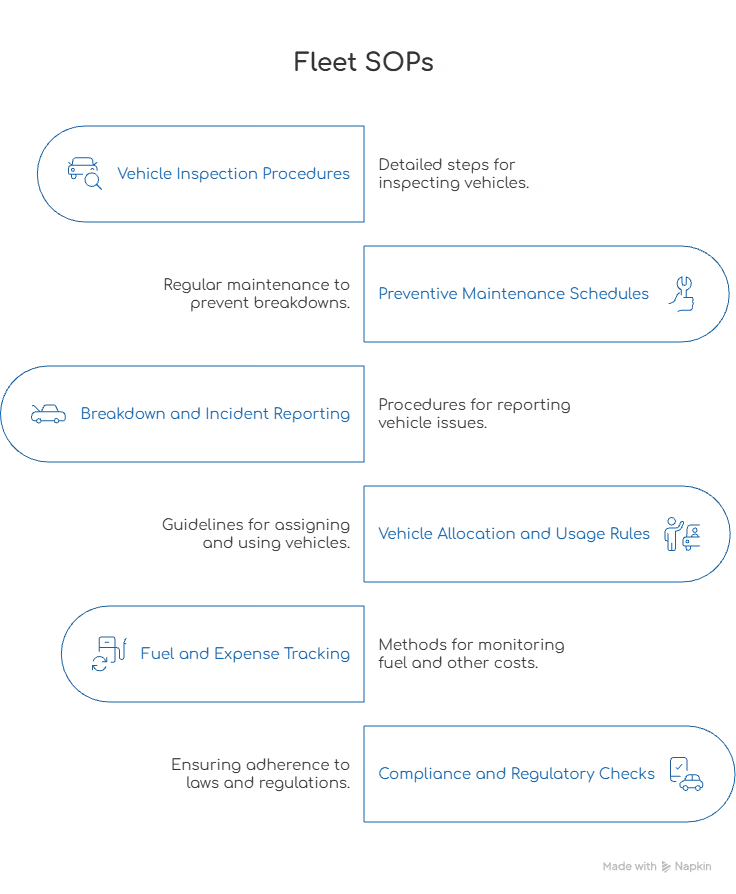
- Vehicle inspection procedures
- Preventive maintenance schedules
- Breakdown and incident reporting
- Vehicle allocation and usage rules
- Fuel and expense tracking
- Compliance and regulatory checks
How to Make SOPs Effective
- Keep instructions short and practical
- Use checklists instead of long text
- Make SOPs accessible digitally
- Review and update them periodically
When SOPs are clear and standardized, teams spend less time making decisions and more time executing tasks correctly.
Use Centralized Fleet Management Software
Technology plays a vital role in enforcing standard processes across teams. A centralized fleet management system ensures that SOPs are followed consistently, regardless of who performs the task.
By digitizing inspections, maintenance schedules, and reports, fleet managers eliminate manual errors and fragmented data.
Benefits of Centralized Software
- One system for all vehicles and teams
- Real-time visibility into fleet health
- Automated reminders for inspections and services
- Consistent reporting formats
A centralized platform becomes the single source of truth for the entire fleet.
Standardize Vehicle Inspections and Maintenance
Inspections and maintenance are two areas where inconsistency causes the most damage. Standardizing these workflows significantly reduces breakdowns and unplanned downtime.
Standardizing Inspections
- Use the same digital checklist across all teams
- Define inspection frequency clearly
- Require photo evidence and comments
Standardizing Maintenance
- Set preventive maintenance triggers by mileage or time
- Use uniform approval workflows for repairs
- Maintain a complete digital service history
Standardized workflows improve safety, extend vehicle life, and control maintenance costs.
Download Our Free Fleet Management Resources Now!
Prevent costly breakdowns and maximize uptime with our free checklist.
Download
Align KPIs and Performance Metrics Across Teams
Standardization fails when teams measure success differently. Shared KPIs ensure that every team is evaluated using the same criteria.
When metrics are aligned, fleet managers can identify underperformance early and take corrective action.
Common Fleet KPIs to Standardize
- Vehicle uptime and downtime
- Inspection compliance rate
- Maintenance cost per vehicle
- Fuel efficiency
- Repair turnaround time
Consistent KPIs create transparency and encourage teams to follow standardized processes.
Deliver Consistent Training and Onboarding
Processes and tools only work when people understand how to use them. Standardized training ensures that every team member follows the same operational standards.
Training should not be a one-time activity. Regular refreshers help reinforce correct practices and adapt to process changes.
Training Should Include
- SOP walkthroughs
- Fleet software usage
- Safety and compliance requirements
- Reporting and escalation procedures
Consistent onboarding reduces errors and accelerates operational maturity across teams.
Centralize Fleet Policies and Procurement
Decentralized purchasing and policy decisions introduce inconsistency and unnecessary costs. Centralizing these decisions strengthens operational control.
Areas to Centralize
- Vehicle specifications and procurement
- Approved maintenance vendors
- Fuel cards and insurance providers
- Replacement and disposal policies
Centralized policies ensure uniform vehicle performance, predictable maintenance needs, and better vendor pricing.
Standardize Communication and Reporting
Lack of communication standards leads to delays and misunderstandings. Clear communication rules ensure that information flows smoothly across teams.
Standardized reporting also improves decision-making by ensuring that data is consistent and comparable.
Communication Best Practices
- Define incident reporting timelines
- Use standardized report templates
- Rely on shared dashboards instead of emails
Clear communication standards reduce downtime and improve coordination.
Monitor Compliance Without Micromanaging
Monitoring is essential, but excessive control damages morale. Standardization works best when supported by data-driven oversight.
Fleet managers should focus on trends rather than individual mistakes and use insights to improve processes.
What to Monitor Regularly
- Inspection completion rates
- Preventive maintenance adherence
- Cost anomalies
- Safety incidents
This approach promotes accountability while maintaining team trust.
Continuously Review and Improve Fleet Standards
Fleet operations evolve due to growth, regulation changes, and technology upgrades. Standardization should evolve as well.
Regular reviews ensure that SOPs and workflows remain relevant and effective.
Continuous improvement keeps fleet operations efficient, compliant, and scalable.
Bring Consistency and Control to Your Fleet With Simply Fleet
Standardizing fleet operations does not have to be complicated. Simply Fleet helps fleet managers centralize inspections, maintenance, reporting, and performance tracking across teams, without adding operational complexity. Start building consistent and scalable fleet operations today with Simply Fleet.
Click here to download Standard Operating Procedure (SOP) for Multi-Site Fleet Maintenance PDF