




Preventive Maintenance Checklist for Excavators: What to Check and When
Key Takeaways
- Diesel fleets need consistent preventive maintenance to reduce breakdowns, control costs, and extend vehicle life.
- Core maintenance includes oil and filter changes, fuel system checks, air intake inspection, cooling system care, and brake servicing.
- Following defined service intervals based on mileage, engine hours, and duty cycles prevents unexpected failures.
- Early warning signs like smoke, overheating, hard starts, and rising fuel consumption should never be ignored.
- A standardized checklist supported by digital preventive maintenance and work orders improves uptime and accountability.
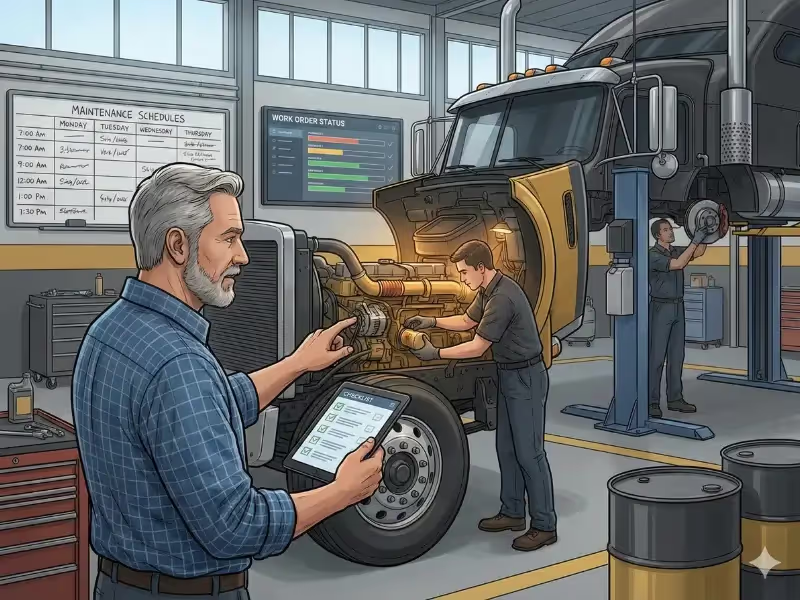
Diesel vehicles power some of the most demanding industries, including trucking and construction. These assets operate under heavy loads, long hours, and harsh environments. Without a structured diesel fleet maintenance checklist, even the most reliable engines can experience costly failures, excessive downtime, and compliance risks.
For fleet managers and technicians, maintenance is no longer just about fixing breakdowns. It is about prevention, visibility, and consistency across the entire fleet. This guide breaks down everything needed to manage diesel maintenance efficiently, from routine service tasks to early warning signs and a ready-to-use checklist template.
What are the Common Diesel Maintenance Tasks

Diesel engines are built for durability, but they rely heavily on clean fluids, proper airflow, and timely servicing. Missing basic maintenance tasks often leads to long-term engine damage and unexpected downtime.
Engine Oil and Oil Filters
Oil quality directly impacts diesel engine life. Diesel engines generate more soot than gasoline engines, which contaminates oil faster. Regular oil changes prevent sludge buildup and reduce internal engine wear.
The correct oil change interval depends on mileage, engine hours, and operating conditions. High-load fleets in construction or long-haul trucking often require more frequent oil changes than light-duty applications.
Fuel System and Fuel Filters
Fuel filters protect injectors from debris and water contamination. Diesel fuel naturally attracts moisture, and clogged filters reduce fuel efficiency and engine performance.
Most fleets replace fuel filters during scheduled diesel PM services rather than waiting for drivability issues. Ignoring this task can cause injector failure, which is one of the most expensive diesel repairs.
Air Intake and Air Filters
Diesel engines require consistent airflow to maintain combustion efficiency. Dirty air filters force engines to work harder, increase fuel consumption, and raise exhaust temperatures.
Construction fleets operating in dusty environments should inspect air filters more frequently than highway fleets. A simple filter check can prevent turbocharger damage and power loss.
Cooling System Maintenance
Overheating is one of the fastest ways to damage a diesel engine. Coolant levels, hose integrity, and radiator condition must be checked regularly.
Coolant replacement should follow manufacturer-recommended intervals, and technicians should inspect for leaks, corrosion, and hose deterioration during PM inspections.
Brakes, Suspension, and Steering
Diesel trucks carry heavy loads, putting significant stress on braking and suspension components. Brake inspections should include pads, rotors, air lines, and fluid levels where applicable.
Suspension components such as shocks, tie rods, and bushings directly impact vehicle control and driver safety. Worn parts should be addressed early to avoid secondary damage.
Service Intervals for Diesel Fleets
Consistency is the foundation of effective preventive maintenance. While exact service intervals vary by vehicle and application, structured scheduling prevents missed tasks and unnecessary repairs.
The table below shows common service intervals used in trucking and construction fleets. Actual schedules should align with manufacturer guidance and operating conditions.
Using preventive maintenance software helps align mileage, engine hours, and calendar-based schedules across the entire fleet.
Download Free Fleet Maintenance Resources Now!
Prevent costly breakdowns and maximize uptime with our free checklist.
Download
Behind this article
This article is brought to you by the Simply Fleet Team. The insights and recommendations you'll find here are not just theoretical; they are distilled from countless hours spent engaging with fleet professionals like you. Our team members actively collect knowledge from our customers, hundreds of discovery calls, and expert consultations. This ongoing dialogue is crucial for us to understand the struggles our users face, driving continuous improvement in our product and enabling us to share practical, experience-backed advice.
Signs of Diesel Trouble Fleet Teams Should Never Ignore
Diesel engines usually provide warning signs before major failure. Training drivers and technicians to recognize early indicators reduces costly repairs.
Excessive Exhaust Smoke
Black smoke often signals fuel system inefficiencies or clogged air filters. White smoke may indicate coolant leaks or injector issues. Blue smoke points to oil consumption problems.
Hard Starting or Poor Acceleration
Difficulty starting or sluggish acceleration can indicate failing fuel filters, injector problems, or battery issues. These symptoms should trigger immediate inspection rather than delayed repairs.
Rising Operating Temperatures
Consistent overheating, even under normal loads, often points to coolant leaks, failing thermostats, or blocked radiators. Continued operation can cause irreversible engine damage.
Increased Fuel Consumption
Unexplained drops in fuel efficiency often trace back to dirty filters, improper tire pressure, or engine performance issues. Monitoring fuel data helps identify problems early.
Checklist Template for Diesel Fleet Maintenance
A standardized checklist ensures that inspections are completed consistently across technicians, vehicles, and locations. It also improves accountability and recordkeeping.
This checklist can be converted into a digital work order to streamline inspections, assign tasks, and track maintenance history.
Why Preventive Maintenance Matters for Diesel Fleets
Reactive maintenance increases costs, downtime, and safety risks. Preventive maintenance allows fleet teams to control expenses and improve vehicle availability.
Preventive strategies also support compliance, resale value, and long-term fleet planning. Fleets using digital PM scheduling consistently report fewer breakdowns and better driver satisfaction.
To support this approach, fleet managers rely on tools like preventive maintenance software and digital work order systems to centralize records and improve visibility across assets.
Simplify Diesel Fleet Maintenance with Simply Fleet
Managing diesel maintenance does not have to rely on spreadsheets or manual reminders. Simply Fleet helps fleet managers and technicians streamline preventive maintenance, schedule diesel PM services, and generate digital work orders with ease.
Explore how Simply Fleet’s preventive maintenance software and digital work order tools can help reduce downtime, improve compliance, and extend the life of your diesel fleet.
Get started with Simply Fleet today and take control of diesel maintenance across your entire operation.