




Preventive Maintenance Checklist for Excavators: What to Check and When
Key Takeaways
- Construction fleets face high operating and maintenance costs due to heavy usage and reactive maintenance.
- Unplanned vehicle downtime causes project delays, idle labor, and missed deadlines.
- Fuel wastage from idling, theft, and poor tracking significantly increases operating expenses.
- Lack of asset visibility leads to underutilized vehicles and inefficient job site allocation.
- Digital fleet management helps reduce costs, improve safety, ensure compliance, and keep projects on track.
The construction industry runs on deadlines, heavy machinery, and constant movement. Trucks, excavators, loaders, cranes, and utility vehicles are the backbone of every project. Yet, fleet-related issues remain one of the biggest reasons construction projects go over budget, miss timelines, or face safety incidents.
Construction fleets operate in harsh conditions, across multiple job sites, with high fuel usage and strict compliance requirements. Without proper systems in place, managing these fleets becomes chaotic. This article breaks down the key fleet problems faced by construction businesses, why they happen, and how modern fleet management solutions like Simply Fleet can help address them.
💡Construction fleet management software gives businesses a centralized way to monitor vehicle health, schedule preventive maintenance, track inspections, manage work orders, and improve visibility across every asset and job site.
What Are the Fleet Problems Faced by Construction Businesses?
Construction fleets operate under intense pressure. Vehicles run for long hours, often on rough terrain, across multiple job sites, and under tight project deadlines. Unlike regular commercial fleets, construction vehicles face higher wear and tear, unpredictable usage patterns, and stricter safety expectations.
Most fleet problems in construction do not arise overnight. They build up slowly due to poor visibility, manual processes, and reactive decision-making. When left unaddressed, these issues lead to rising costs, frequent breakdowns, safety incidents, and project delays.
Below are the most common and critical fleet problems faced by construction businesses, explained in detail.
1. High Fleet Operating and Maintenance Costs
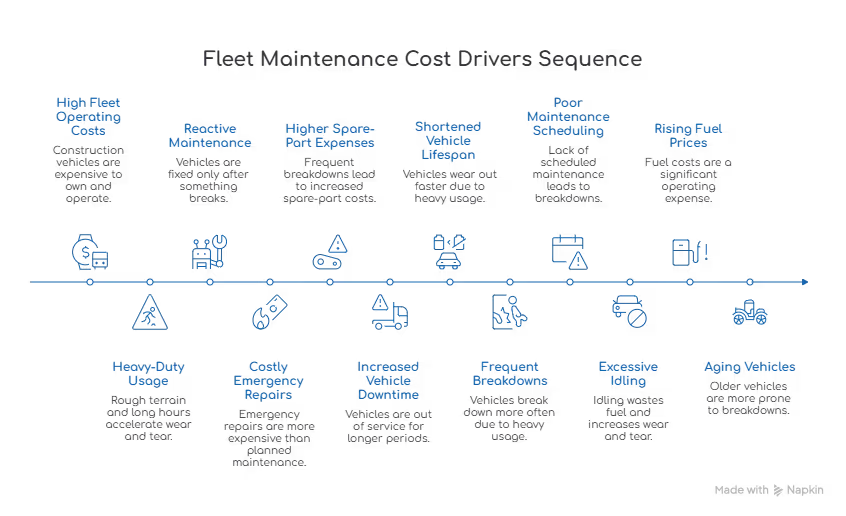
Construction vehicles are expensive to own and operate. Heavy-duty usage, rough terrain, and long operating hours accelerate wear and tear. Many construction businesses rely on reactive maintenance, fixing vehicles only after something breaks.
This leads to:
- Costly emergency repairs
- Higher spare-part expenses
- Increased vehicle downtime
- Shortened vehicle lifespan
Common cost drivers
- Frequent breakdowns
- Poor maintenance scheduling
- Excessive idling
- Rising fuel prices
- Aging vehicles
How fleet management helps
Preventive maintenance schedules, automated service reminders, and vehicle health tracking reduce unexpected failures and help control long-term costs.
2. Unplanned Downtime and Project Delays
When a construction vehicle or machine is down, the cost goes far beyond repairs. Workers remain idle, deliveries get delayed, and project timelines slip.
Even one non-operational excavator can stall an entire site.
Root causes of downtime
- No preventive maintenance plan
- Lack of visibility into vehicle condition
- Delayed fault reporting
- Poor spare-part planning
Solution approach
Tracking maintenance history and upcoming service needs ensures vehicles stay job-ready. Fleet data helps managers identify patterns before breakdowns occur.
3. Fuel Management and Wastage
Fuel is one of the largest recurring expenses for construction fleets. Unfortunately, it is also one of the least controlled.
Key fuel-related problems
- Excessive idling at sites
- Inefficient driving behavior
- Fuel theft
- Poor route planning
- Inaccurate fuel records
Why manual tracking fails
Paper logs and manual entries rarely capture real consumption. Errors and manipulation are common.
Benefits of digital fuel tracking
- Accurate fuel consumption data
- Identification of fuel-intensive vehicles
- Reduction in idle time
- Better cost forecasting
4. Lack of Asset Visibility Across Job Sites
Construction fleets are rarely in one place. Vehicles and equipment move between multiple projects, sometimes across cities or states.
Common visibility challenges
- Not knowing where vehicles are
- Equipment sitting idle at one site while needed at another
- Unauthorized vehicle usage
- Difficulty tracking rented or shared assets
Why this hurts productivity
Poor visibility leads to underutilization. Businesses end up renting or buying equipment they already own but cannot locate.
How visibility improves efficiency
Real-time tracking and asset utilization reports help ensure the right vehicle is at the right site at the right time.
5. Compliance and Regulatory Challenges
Construction fleets must comply with multiple regulations related to:
- Vehicle fitness and inspections
- Driver licenses and certifications
- Emission standards
- Insurance and permits
Missing even one renewal can result in fines, project stoppages, or legal trouble.
Common compliance issues
- Expired registrations or insurance
- Missed safety inspections
- Incomplete documentation
- Manual record-keeping errors
Digital compliance tracking
Automated alerts and centralized document storage help businesses stay compliant without last-minute stress.
Download Our Free Construction Fleet Management Resources Now!
Prevent costly breakdowns and maximize uptime with our free checklist.
Download
6. Safety Risks on Construction Sites
Construction sites are high-risk environments. Fleet-related accidents can lead to injuries, legal claims, equipment damage, and reputational harm.
Fleet-related safety concerns
- Speeding within job sites
- Unsafe driving behavior
- Poor vehicle condition
- Fatigued operators
- Lack of incident tracking
Why safety needs data
Without data, safety improvements are guesswork. Fleet analytics help identify risky patterns and improve driver behavior.
7. Driver and Operator Management Issues
Skilled drivers and equipment operators are in short supply. Managing their performance and ensuring accountability is challenging, especially across multiple sites.
Common problems
- Driver shortages
- High turnover
- Inconsistent driving behavior
- Limited performance visibility
- Training gaps
Performance-based management
Tracking usage, incidents, and operating hours allows fair evaluations and targeted training.
8. Data Silos and Manual Processes
Many construction companies still manage fleets using spreadsheets, paper logs, and disconnected systems.
Problems with manual systems
- Inaccurate data
- No real-time insights
- Time-consuming reporting
- Poor decision-making
- No scalability
Centralized fleet data
A single platform that consolidates vehicle, driver, fuel, maintenance, and compliance data transforms fleet operations.
9. Environmental and Sustainability Pressures
Sustainability is no longer optional. Construction companies face increasing pressure to reduce emissions and report environmental impact.
Fleet-related sustainability challenges
- High fuel consumption
- Older, inefficient vehicles
- No emissions tracking
- Lack of sustainability reporting
Data-driven sustainability
Fleet data helps identify inefficient vehicles, reduce idling, and plan gradual fleet upgrades.
10. Poor Fleet Utilization
Not all vehicles are used equally. Some are overworked while others sit idle.
Consequences of poor utilization
- Higher costs
- Faster vehicle degradation
- Unnecessary rentals or purchases
Utilization tracking
Understanding usage patterns helps optimize fleet size and asset allocation.
Fleet Problems and Their Impact at a Glance
How Simply Fleet Helps Construction Businesses
Simply Fleet is designed to tackle real-world fleet challenges faced by construction companies.
Key benefits of Simply Fleet
- Preventive maintenance scheduling
- Fuel and cost tracking
- Asset and vehicle utilization insights
- Compliance and document management
- Centralized fleet data
- Improved safety and accountability
Whether managing a small construction fleet or hundreds of vehicles across multiple sites, Simply Fleet provides clarity, control, and cost savings.
Final Thoughts
Construction businesses cannot afford inefficient fleet operations. Every breakdown, delay, or compliance lapse directly impacts project success and profitability. The good news is that most fleet problems are preventable with the right tools and data-driven decisions.
Managing construction fleets does not have to be complicated. Simply Fleet helps construction businesses reduce downtime, control costs, improve compliance, and gain complete visibility over their vehicles and equipment.
Start managing your construction fleet smarter with Simply Fleet today.