



Preventive Maintenance Checklist for Excavators: What to Check and When
Key Takeaways
- Fleet maintenance becomes staff-heavy due to manual tracking
- Automation replaces repetitive admin tasks
- Preventive maintenance scheduling reduces breakdowns
- Drivers can report issues as part of daily routines
- Telematics reduces manual data collection
- Central dashboards eliminate spreadsheets
- One system can manage maintenance without extra staff
Managing fleet maintenance is one of the most time-consuming responsibilities for fleet managers. Between tracking service schedules, following up on inspections, handling breakdowns, and maintaining compliance records, it often feels like hiring more staff is the only solution. In reality, that is no longer true.
With the right systems, processes, and automation in place, fleet maintenance can be tracked efficiently without adding extra headcount. This article explains how modern fleet operators streamline maintenance tracking, reduce manual work, and keep vehicles road-ready using technology instead of manpower.
Why Tracking Fleet Maintenance Becomes a Staffing Problem
Fleet maintenance becomes labor-intensive mainly due to fragmented systems and manual processes. Common challenges include:
- Maintenance data spread across spreadsheets, emails, and paper logs
- Missed service intervals due to manual reminders
- Drivers reporting issues verbally or too late
- No centralized view of vehicle health and costs
- Time wasted on follow-ups, approvals, and reporting
When these issues pile up, hiring an extra coordinator seems like the easiest fix. However, the real solution lies in simplifying workflows and automating repetitive tasks.
Simple Ways to Track Fleet Maintenance Without Extra Staff
The goal of tracking fleet maintenance without extra staff is simple:
Reduce human dependency for routine tasks and rely on systems instead.
This means:
- Automating reminders instead of manually tracking dates
- Capturing vehicle data digitally instead of paper forms
- Using dashboards instead of compiling reports manually
- Letting drivers log issues as part of daily routines
Use Fleet Maintenance Software as the Central Hub
Fleet maintenance software acts as a single source of truth for all vehicles, services, inspections, and costs.
What a Centralized System Does Automatically
- Stores maintenance history for every vehicle
- Schedules preventive maintenance based on time or mileage
- Sends alerts for upcoming and overdue services
- Tracks repair costs and downtime
- Generates reports without manual effort
Once vehicles and schedules are set up, the system does the tracking work in the background.
Automate Preventive Maintenance Scheduling
Preventive maintenance is where most manual effort is wasted. Automation eliminates that burden.
How Automated Scheduling Works
- Set service rules (e.g., oil change every 5,000 miles or 90 days)
- The system tracks mileage or time automatically
- Notifications are sent when service is due
- Overdue tasks are flagged instantly
This ensures no vehicle is forgotten and removes the need for someone to manually monitor calendars or spreadsheets.
Build Maintenance Tracking into Driver Routines
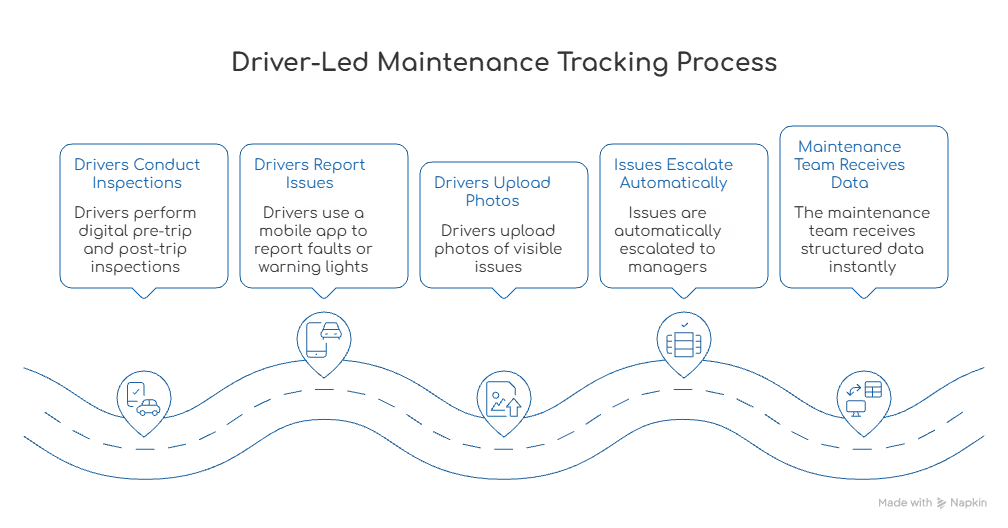
Drivers are already interacting with vehicles every day. Instead of adding staff, leverage existing driver workflows.
Simple Ways Drivers Support Maintenance Tracking
- Digital pre-trip and post-trip inspections
- One-tap reporting of faults or warning lights
- Photo uploads for visible issues
- Automatic issue escalation to managers
When drivers log issues through a mobile app, the maintenance team receives structured data instantly, without follow-up calls or emails.
Use Telematics to Reduce Manual Monitoring
Telematics systems automatically collect vehicle data, reducing the need for manual checks.
- Real-time mileage tracking for accurate service triggers
- Engine fault codes reported instantly
- Monitoring harsh driving that accelerates wear and tear
- Better planning for maintenance windows
Instead of staff checking odometers or logs, the data flows directly into the system.
Centralize Everything in One Maintenance Dashboard
A single dashboard replaces multiple spreadsheets, folders, and emails.
- Vehicles due or overdue for service
- Open repair issues and inspection failures
- Maintenance costs by vehicle or fleet
- Downtime trends and recurring problems
This visibility allows one manager to oversee the entire fleet efficiently, without administrative support.
Download Our Free Fleet Maintenance Resources Now!
Prevent costly breakdowns and maximize uptime with our free checklist.
Download
Standardize Workflows to Avoid Manual Follow-Ups
Most staffing pressure comes from chasing people for updates. Standard workflows eliminate that need.
Examples of Standardized Maintenance Workflows
- Inspection failure automatically creates a work order
- Work order completion updates vehicle status
- Service completion resets the maintenance schedule
- Cost entries are logged at the time of service
With these workflows, tasks move forward automatically instead of relying on reminders and follow-ups.
Use Reporting Instead of Manual Reviews
Modern fleet systems generate maintenance reports automatically.
Key Reports That Save Time
- Preventive vs reactive maintenance ratio
- Maintenance cost per vehicle
- Downtime by vehicle or category
- Compliance and inspection history
These reports help management make decisions without spending hours compiling data.
Manual Tracking vs Automated Maintenance Tracking
Final Thoughts
Automation works only when users know how to use it. A one-time training session for drivers and managers eliminates long-term inefficiencies.
Want to track fleet maintenance without hiring extra staff? Simply Fleet helps automate maintenance schedules, inspections, issue reporting, and reporting.
Start simplifying fleet maintenance with Simply Fleet today.