



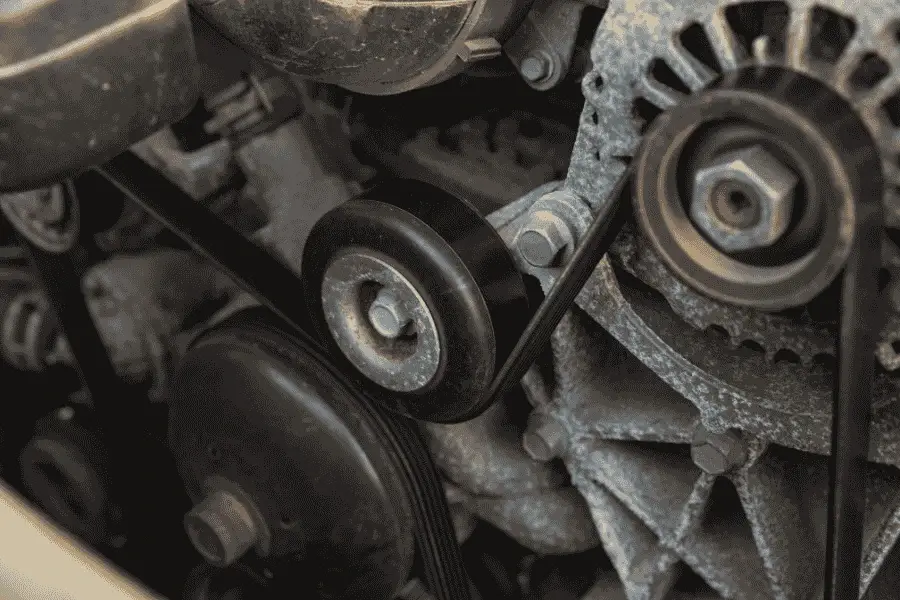
A worn serpentine belt can sneak up on you, a little squeal today, a big failure tomorrow. Replacing a serpentine belt is a straightforward preventive task that stops bigger problems (dead batteries, loss of power steering, and overheated engines) before they start. Before you begin, allow the engine to cool completely before working near rotating components. Locate the belt routing diagram under the hood or in the owner’s manual before removal. Inspect the tensioner and idler pulleys while the belt is off.
‍

Tools Needed

  • ½” breaker bar or belt tensioner tool
  • Ratchet and socket set
  • Straightedge for pulley alignment
  • New serpentine belt (correct size)
  • Gloves & safety goggles
  • Jack and jack stands or ramps
  • Clean rags

How to Replace a Serpentine Belt (Step-by-Step)

Step 1: Note the Belt Routing

  • Before anything else, take a clear photo or sketch of the belt routing so you can re-thread the new belt the same way.
  • If available, use the under-hood routing diagram or the owner’s manual to confirm the path.

Step 2: Safely Raise the Vehicle (If Needed) & Release Tension

  • Park on level ground, set the parking brake, and chock wheels.
  • If access is limited, raise the vehicle with a jack and secure it with jack stands or drive onto ramps. Never work under a vehicle supported only by a jack.
  • Use a ½” breaker bar or belt tensioner tool to rotate the tensioner and relieve belt tension, then slip the belt off the easiest pulley.

Pro-tip:
If the belt looks glazed or has deep cracks, inspect the idler and tensioner pulleys now, and spin them by hand. Any grinding, noise, or axial play means replace the pulley to avoid a new belt failing early.

Step 3: Inspect Pulleys & Clean the Area

  • Check each pulley for wobble, noise, or buildup. Use a straightedge to verify pulley alignment.
  • Wipe off dirt or oil from the pulleys, contamination shortens belt life.
  • If pulleys or the tensioner show wear, plan to replace them with the belt.

Step 4: Install the New Serpentine Belt

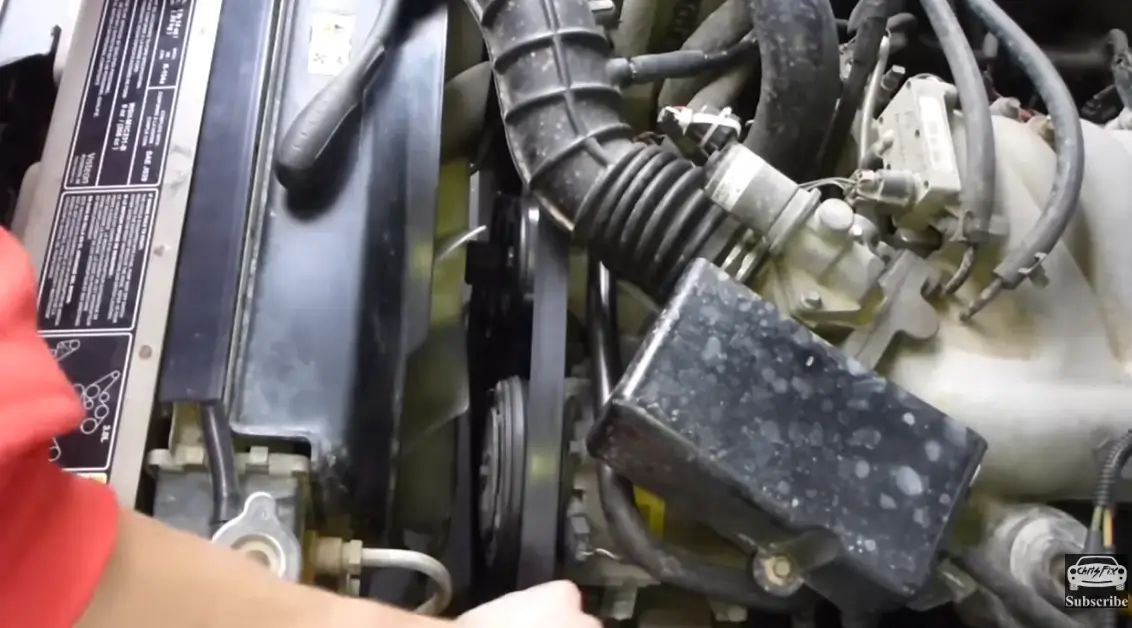
How to replace Belt Tensioner Pulley
Source : ChrisFix (YouTube)
  • Route the new belt following your photo or diagram, leaving the tensioner pulley for last.
  • Rotate the tensioner again to create slack and slip the belt fully onto the tensioner pulley.
  • Ensure the belt sits squarely in each pulley groove and is centered.

Step 5: Test & Final Checks

  • Lower the vehicle (if raised). Start the engine and let it idle for 60 seconds.
  • Watch the belt for proper tracking and listen for noise. Recheck pulleys for leaks or looseness.
  • After a short drive, re-inspect the belt and pulleys for correct fit and tension.

Common Mistakes

  • Skipping pulley checks: Before you replace a serpentine belt, always spin and inspect the pulleys. Worn bearings or rough pulleys can cause rapid serpentine belt failure, even after a proper serpentine belt install.
  • Ignoring tensioner condition: During serpentine belt replacement, check the tensioner. A weak or failing unit may require serpentine belt tensioner replacement, especially if you’ve noticed serpentine belt symptoms like vibration or misalignment.
  • Incorrect routing: Failing to follow the correct serpentine belt routing diagram can cause improper tension, slipping, or immediate damage. Always reference the serpentine belt diagram under the hood or in the manual before you change serpentine belt.
  • Overlooking warning signs: A serpentine belt squealing noise is often an early warning. Ignoring these serpentine belt symptoms can lead to sudden breakdowns and higher serpentine belt cost if other components are damaged.
  • Skipping safety precautions: When performing a serpentine belt replacement, never work under a vehicle supported only by a jack. Use jack stands or ramps to stay safe during the repair.

‍

‍

When to Replace Your Serpentine Belt

Replace the belt when you notice any of these bold signs:

  • Squealing or chirping from the engine bay when you start or turn on accessories.
  • Visible cracking, fraying, or rib separation on the belt surface.
  • Glazed or shiny belt ribs, which indicate slipping.
  • Loss of power to accessories (battery light, weak power steering, or A/C issues).

‍

How to manage replacement across your fleet?

  • Schedule belt inspections every service interval and replace proactively at recommended miles.
  • Log belt replacement and pulley changes in your fleet software to track trends.
  • Keep common belt sizes and tensioner/idler parts stocked to reduce downtime.
  • Train drivers to report squealing, slipping, or accessory loss immediately.

Stay ahead of costly breakdowns by starting your free trial with Simply Fleet to automate maintenance reminders and track every repair with ease.

Frequently Asked Questions

How much does it cost to replace a serpentine belt?
How often should you replace a serpentine belt?
What happens if you don’t replace a worn serpentine belt?

Ready to Take Control?

Experience firsthand why Simply Fleet is the preferred partner for fleets of all sizes.‍

Contact us today to schedule a personalized demo or start your free trial.
Fleet Manager looking happy with Simply Fleet's solution
Thank you! Your submission has been received!
Oops! Something went wrong while submitting the form.

A worn serpentine belt can sneak up on you, a little squeal today, a big failure tomorrow. Replacing a serpentine belt is a straightforward preventive task that stops bigger problems (dead batteries, loss of power steering, and overheated engines) before they start. Before you begin, allow the engine to cool completely before working near rotating components. Locate the belt routing diagram under the hood or in the owner’s manual before removal. Inspect the tensioner and idler pulleys while the belt is off.

‍