



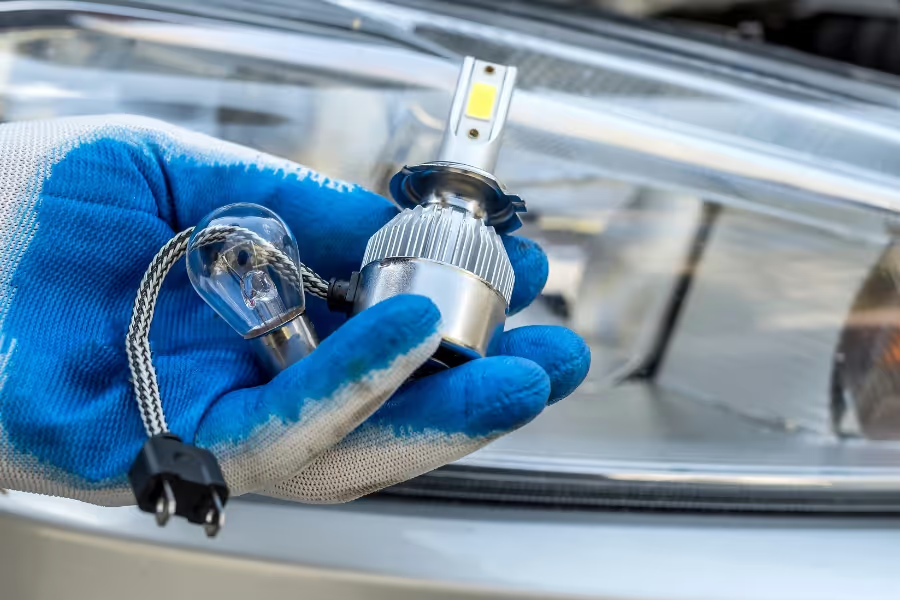
Driving with one headlight out isn’t just unsafe, it’s also against the law in many places. Before replacing a headlight bulb, turn off the vehicle and allow the headlights to cool completely. Disconnecting the battery may be recommended on some vehicles. Always handle bulbs carefully and avoid touching the glass.
Tools Needed

  • New headlight bulb (vehicle-specific size)
  • Gloves (to avoid touching the bulb glass)
  • Screwdriver (if needed for access)
  • Clean rag

How to Change a Headlight (Step-by-Step)

Step 1: Turn Off the Vehicle

  • Always switch off the engine and remove the keys.
  • This keeps you safe from live wires and moving parts.

Step 2: Open the Hood

  • Pop the hood and locate the headlight housing.
  • Depending on your vehicle, it may be right in front or slightly tucked behind other components.
how to change a headlight

Step 3: Disconnect the Wires

  • Find the wires connected to the back of the headlight.
  • Press the tab or clip and gently pull them off.

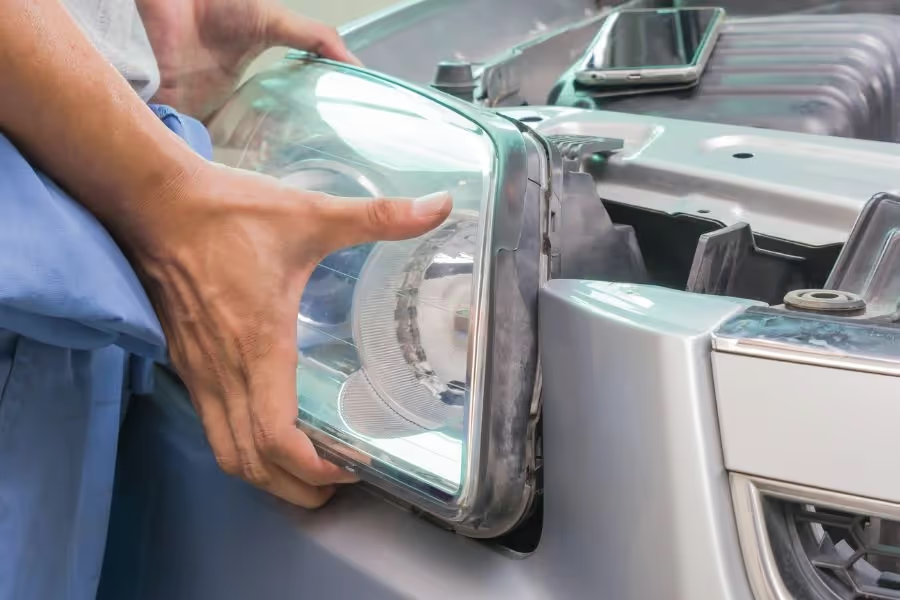
Step 4: Remove the Old Bulb

  • Twist or unclip the bulb from the socket.
  • Be careful with the locking tabs; if they break, you may need to replace the entire housing.

Step 5: Install the New Bulb

  • Put on gloves so oils from your hands don’t damage the bulb.
  • Insert the new bulb into the socket and lock it in place.
  • Reconnect the wires and close the headlight housing.

Pro Tip: Always replace bulbs in pairs. If one has burned out, the other is usually close behind. This keeps light output balanced and saves another trip back under the hood.

Common Mistakes

  • Touching the bulb glass during installation: Oil from skin can shorten bulb life. Always handle bulbs by the base or use gloves.
  • Forcing the socket or clip: If it feels stuck, check the locking tab, don’t yank.  
  • Replacing only one bulb: Uneven lighting can confuse drivers and reduce visibility.
  • Confusing headlight replacement with headlight alignment: Replacing a headlight bulb does not change headlight aim. Alignment and adjustment are separate procedures that may be required after replacement.

When to Replace Your Headlight Bulb

You’ll know it’s time to change a headlight when you notice:

  • One side is dimmer or completely out
  • A flashing or flickering beam
  • A warning light on the dashboard
  • Drivers reporting reduced nighttime visibility

In fleet operations, ignoring these signs can lead to safety violations, increased accident risk, and downtime during inspections.

How to manage replacement across your fleet?

Frequently Asked Questions

Do headlights need to be aligned after replacing a bulb?
What is the easiest way to know if my vehicle needs a headlight replacement?
Can I change a headlight bulb myself, or do I need a mechanic?

Ready to Take Control?

Experience firsthand why Simply Fleet is the preferred partner for fleets of all sizes.‍

Contact us today to schedule a personalized demo or start your free trial.
Fleet Manager looking happy with Simply Fleet's solution
Thank you! Your submission has been received!
Oops! Something went wrong while submitting the form.

Driving with one headlight out isn’t just unsafe, it’s also against the law in many places. Before replacing a headlight bulb, turn off the vehicle and allow the headlights to cool completely. Disconnecting the battery may be recommended on some vehicles. Always handle bulbs carefully and avoid touching the glass.