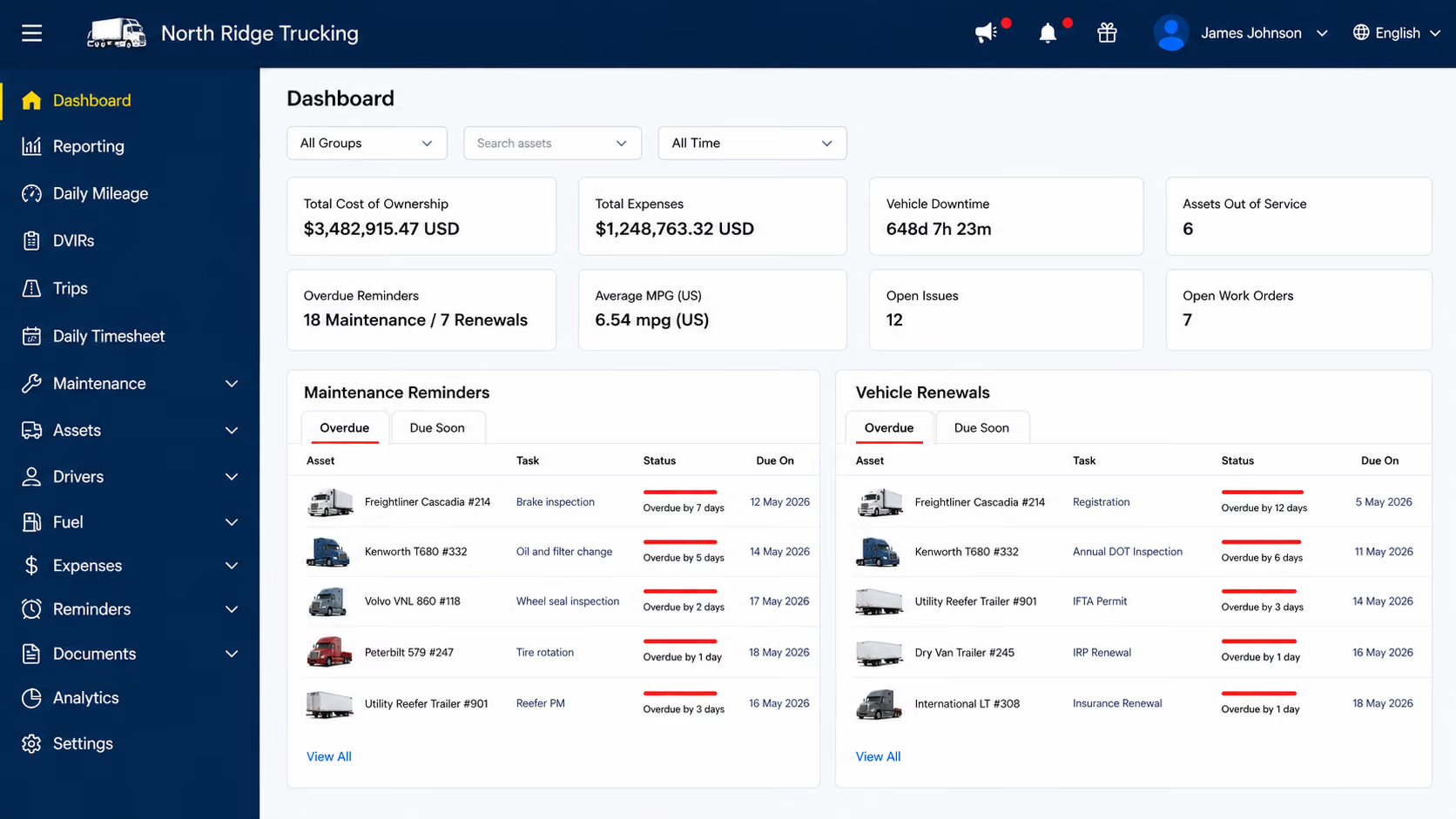
What maintenance is coming due?
See which trucks need service before overdue maintenance takes them off the road.


Keep trucks maintained, inspected, repaired, documented and cost-controlled with one connected workflow for preventive maintenance, DVIRs, work orders, parts, fuel, renewals, telematics-fed mileage and truck-level operating costs.
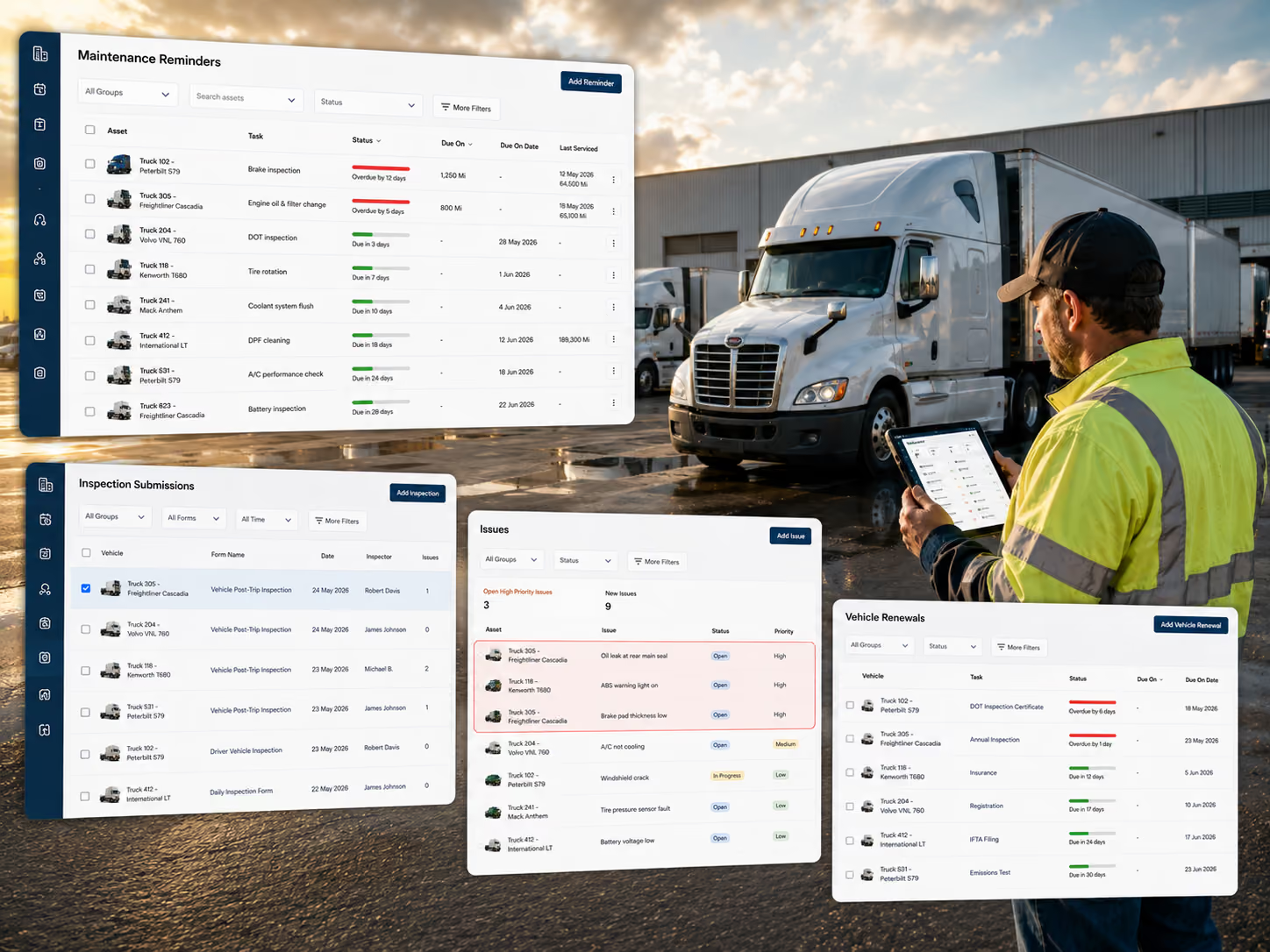
See the maintenance and repair status your fleet and shop teams need to act on.
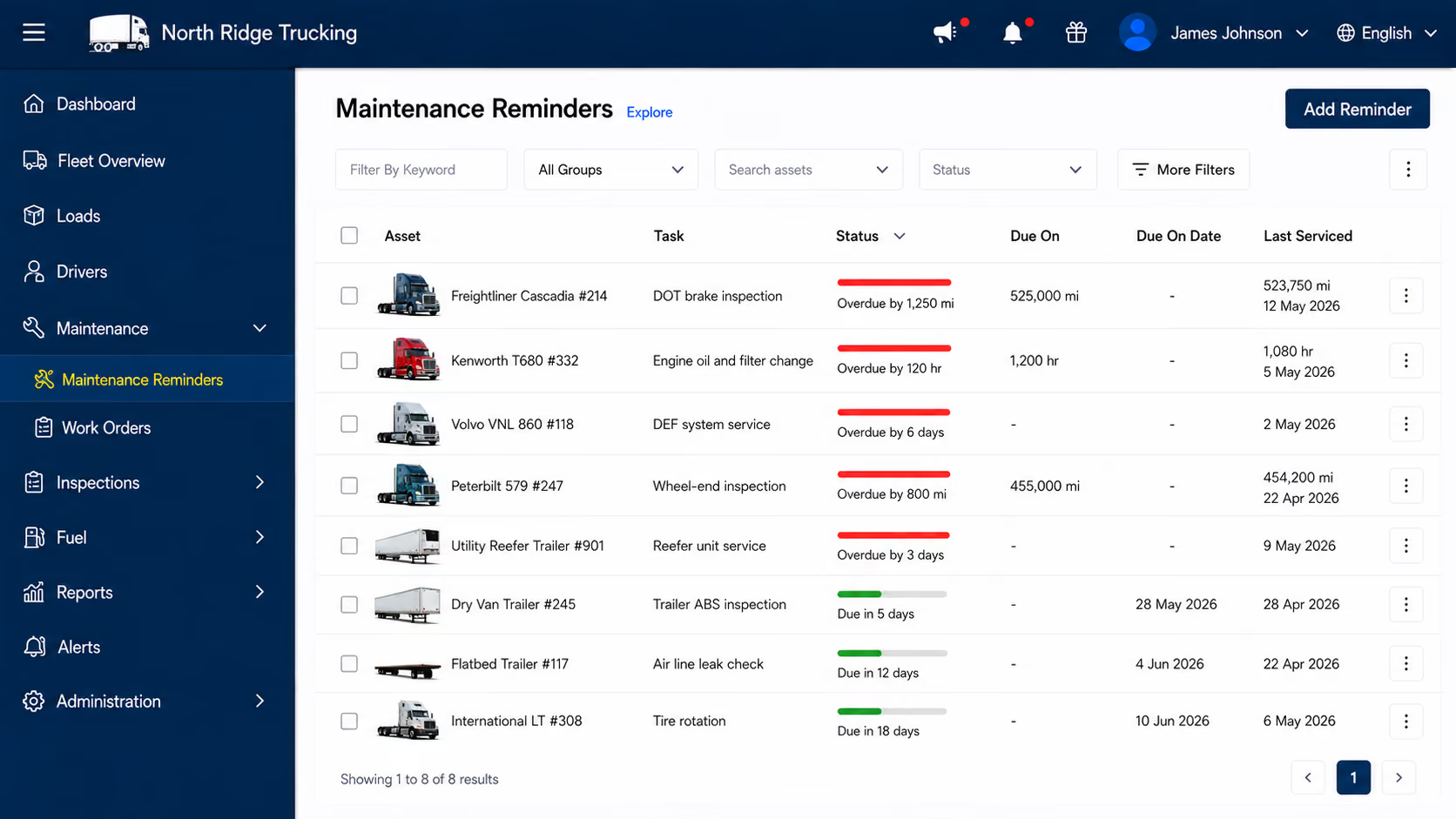
See which trucks need service before overdue maintenance takes them off the road.
See DVIR and pre-trip findings that still need review or repair.
See open work orders, repair status and jobs waiting on parts or technician time.
See where fuel, service and repair costs are rising by truck.
Schedule preventive maintenance by mileage, engine hours or time, then keep the workflow connected from reminder to completed service and the next interval.
Explore preventive maintenance software.
Keep driver findings connected to the maintenance work that follows. Simply Fleet keeps the inspection, failed item, issue review, repair decision and completed service tied to the truck.
Explore vehicle inspections and issue management.
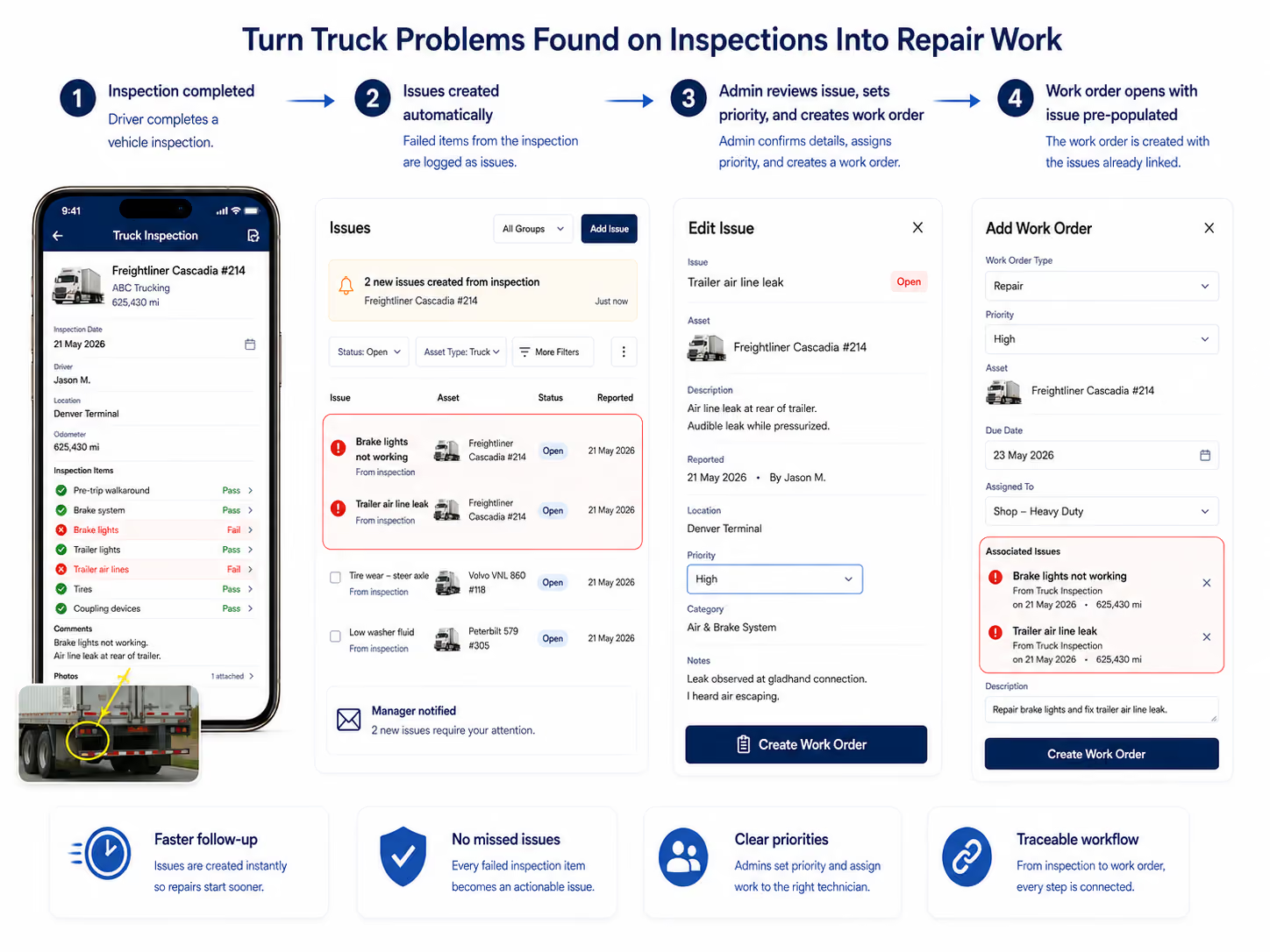
A failed inspection item becomes an issue tied to the truck.
A manager reviews priority, road readiness and whether repair work is required.
The job moves into the shop with technician work, parts, labor and repair status attached.
Completed repair stays with the truck’s maintenance record.
Road Transpo Specialist moved truck fleet management out of Excel and into Simply Fleet for maintenance scheduling, reminders, inspection and work-order workflows, technician visibility and reporting across its tanker fleet.
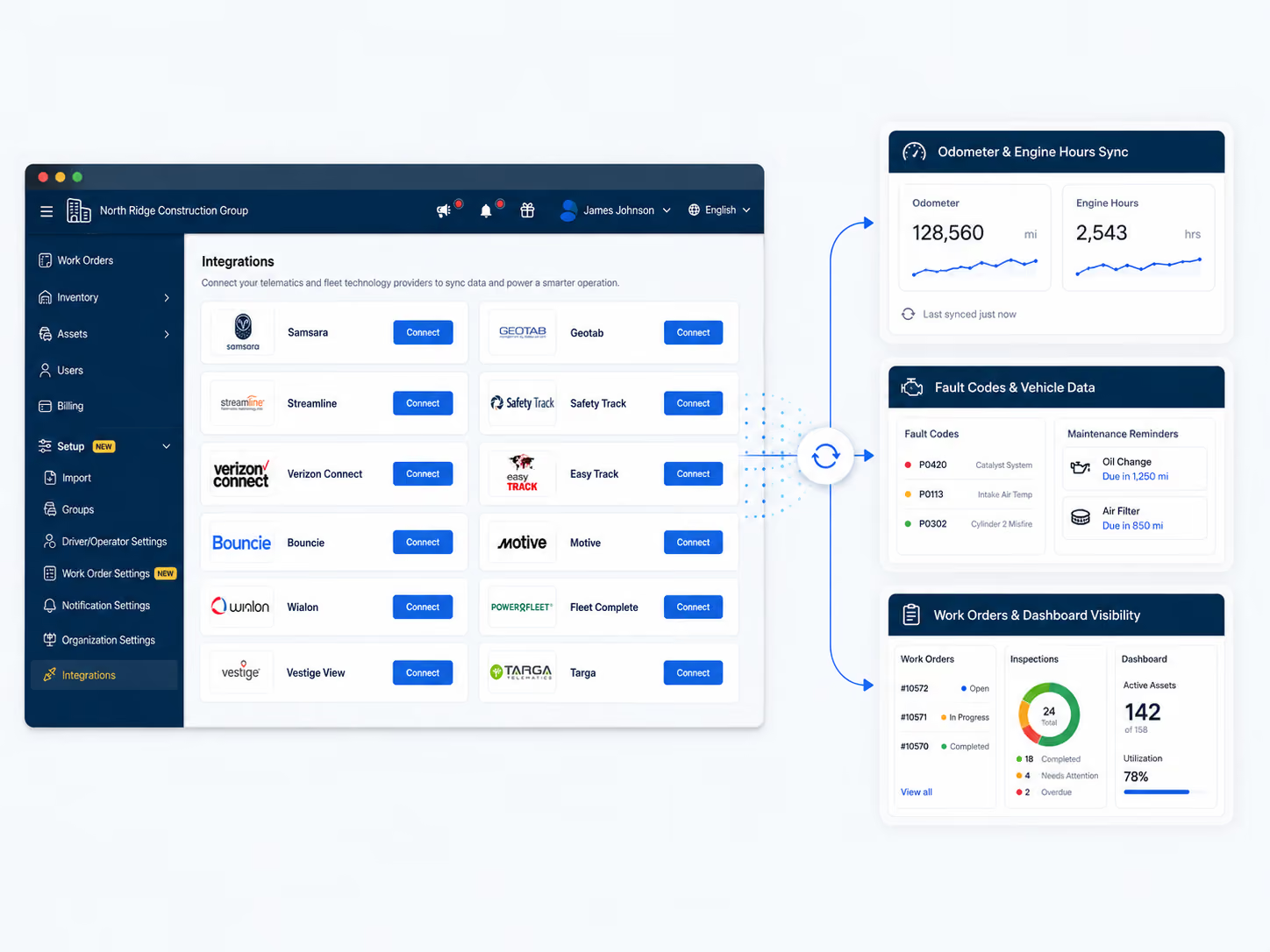
Supported telematics integrations can sync truck mileage into Simply Fleet, depending on the provider and asset, so mileage-based maintenance schedules stay current without repeated manual odometer entry.
Keep fuel, maintenance, repairs, parts, labor and recurring expenses tied to the truck so managers can see where spending is rising and which units are becoming expensive to keep running.
Explore fuel management and fleet reporting.
Use Simply Fleet AI to reduce repetitive data entry and make truck-fleet reporting faster.
Explore Simply Fleet AI capabilities and Simply Ask reporting.
.avif)
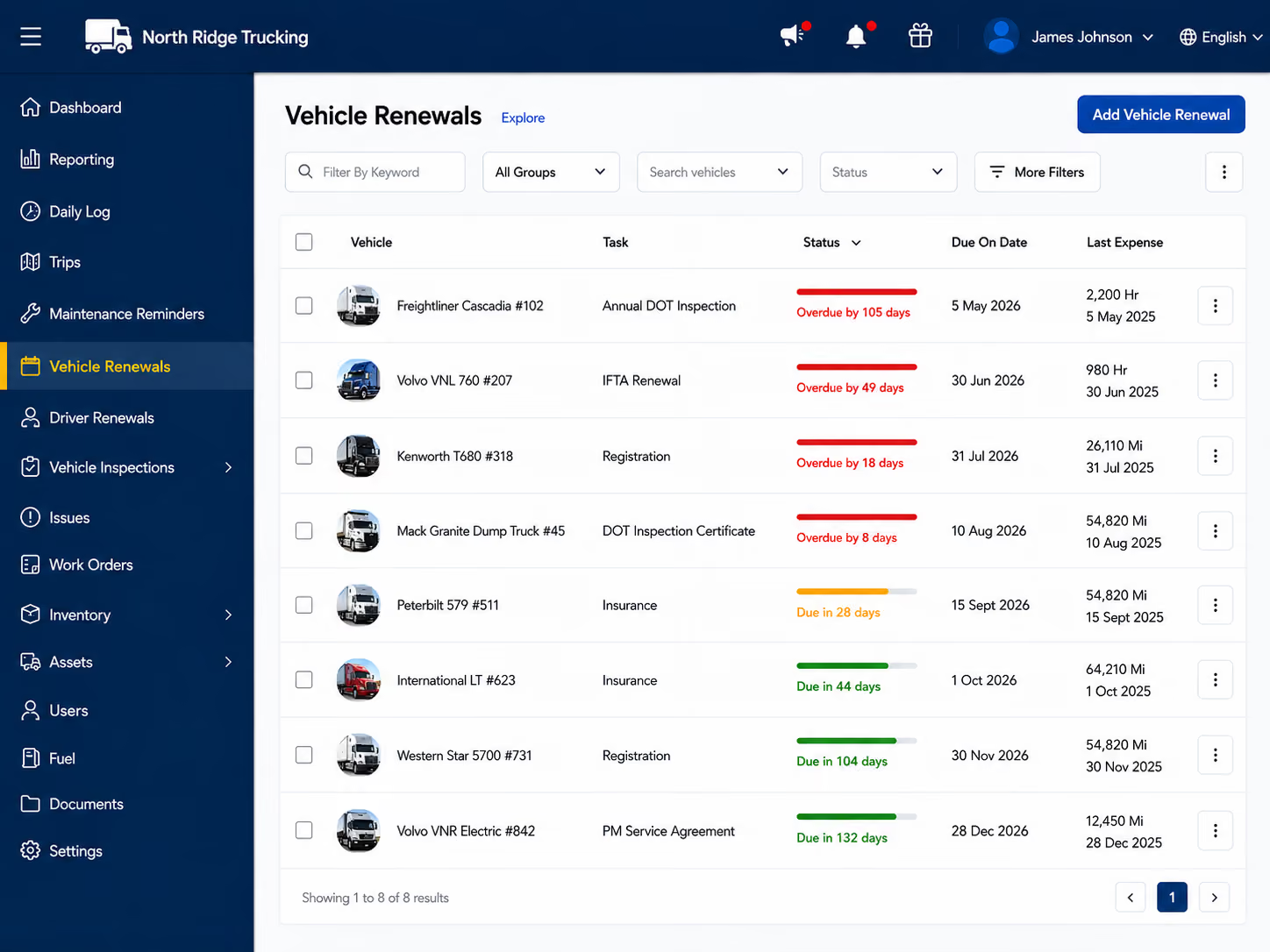
Keep recurring vehicle and driver-document dates visible before an expired registration, permit or credential becomes an administrative problem.
Explore fleet records and renewal workflows.
Keep inspections, issues, completed services, repairs, fuel, expenses, documents and renewals tied to each truck. When maintenance or replacement decisions come up, managers can review the operating history without rebuilding it from separate spreadsheets and systems.
See past inspections, repairs, service work and open issues in context.
Compare maintenance and operating costs before deciding whether another repair makes sense.
For maintenance-led trucking operations, fleet management software helps keep vehicle health, preventive maintenance, inspections, defects, repairs, fuel, costs, records and renewals organized across the truck fleet.
Yes. Schedule preventive maintenance by mileage, engine hours, time, or a combination that matches how the truck is serviced.
Yes. Simply Fleet supports configurable DVIR-ready inspection forms with photos, comments, signatures, odometer capture and failed-item issue creation.
A failed inspection item can create an issue tied to the truck. A manager can review the defect and create a work order when repair is required.
Yes. Parts used and labor recorded on the work order can stay tied to the completed repair and truck-level service history.
Supported telematics integrations can sync available odometer data into Simply Fleet. The exact data available depends on the connected provider and asset.
Yes. Vehicle renewals can track items such as registration, insurance and permits, while user renewals can track licenses, certifications, medical certificates and other time-sensitive employee records.
No. Simply Fleet is focused on fleet maintenance, inspections, repairs, fuel, records, renewals and truck-level costs. Specialized ELD, HOS, dispatch and TMS systems can continue to be used alongside it.
.svg)